
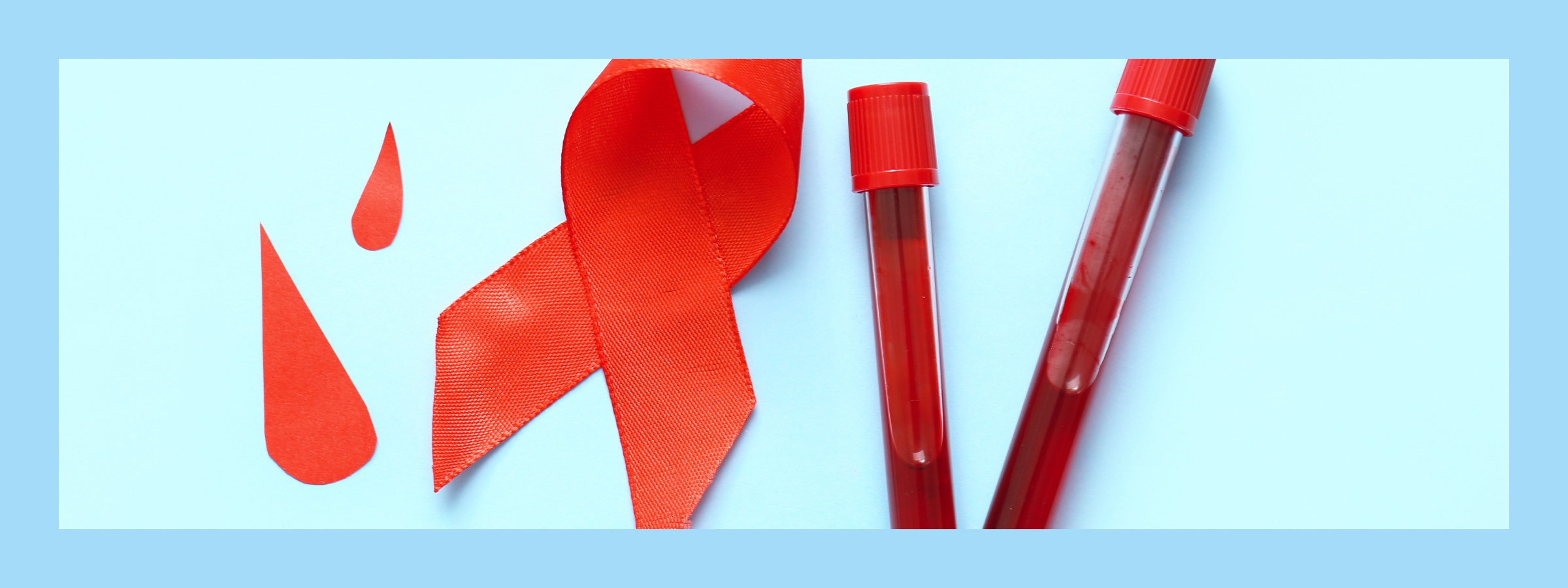
Understanding the Starting Symptoms of Blood Cancer
Written By Lotte May
Founder of Comfort Crate & Cancer Advocate
Blood cancer is a broad term used to describe malignancies that affect the blood, bone marrow, or lymphatic system. Because it is a life-threatening condition, early detection plays a crucial role in the successful management of the disease. Understanding the starting symptoms and seeking medical help promptly is the most important step you can take.
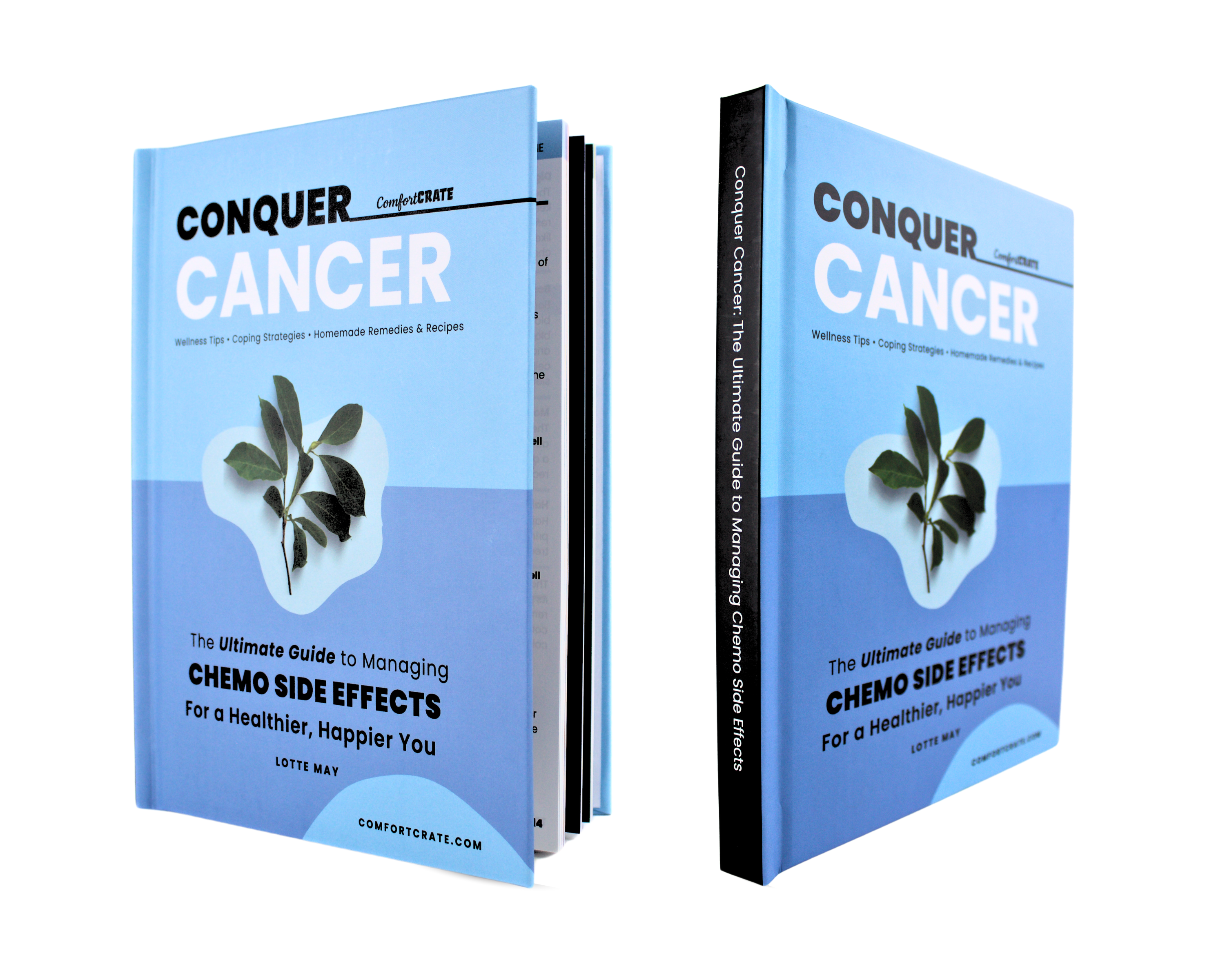
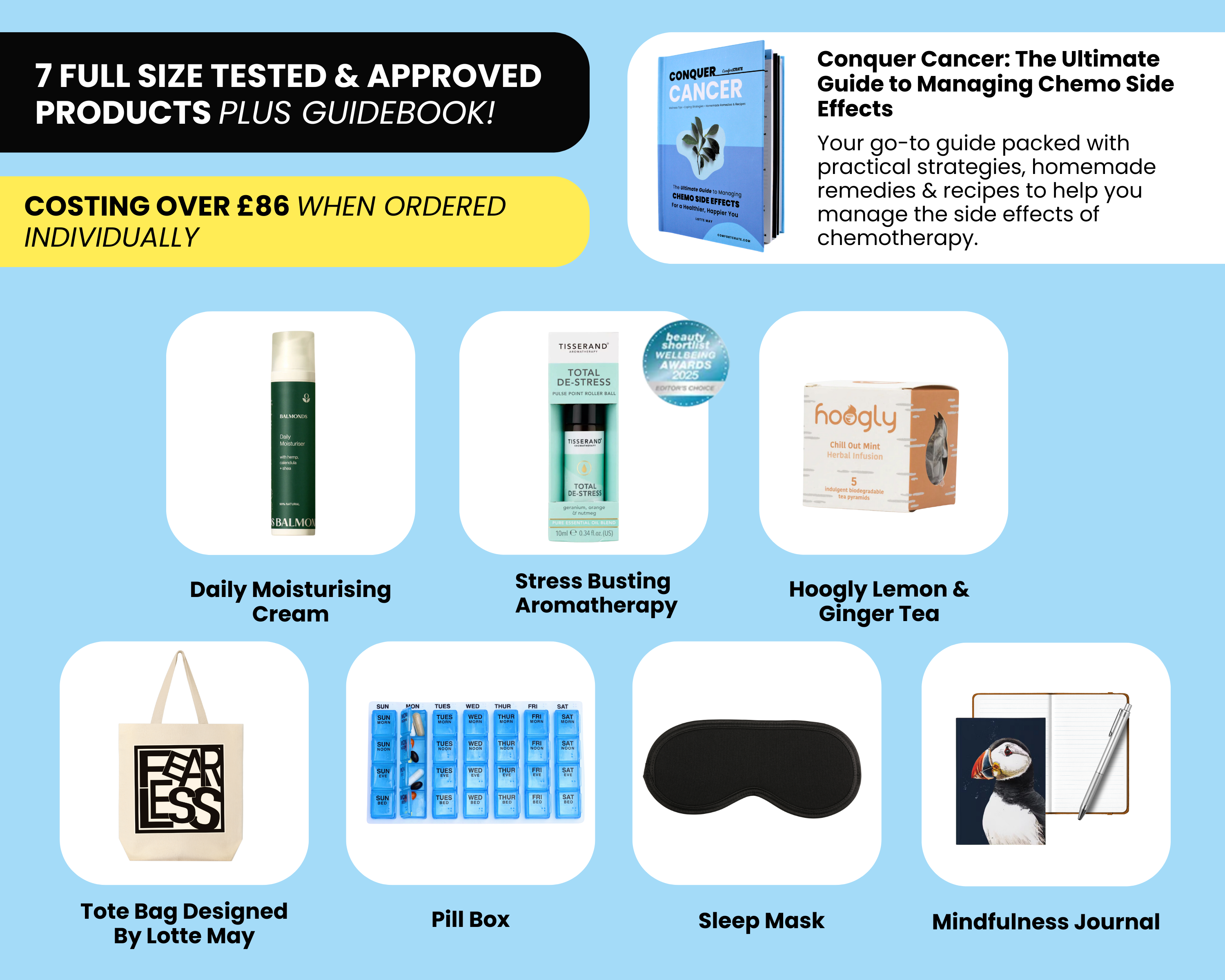
Track Your Symptoms from Day One: Many blood cancer symptoms, like fatigue or night sweats, can be vague and easy to dismiss. Our Conquer Cancer Guidebook provides a structured way to log these changes. Having a clear record of your symptoms not only helps your doctor reach a diagnosis faster but also helps you manage the "information overload" that comes with a blood cancer diagnosis.

Common Starting Symptoms
The symptoms of blood cancer can vary depending on the type (Leukaemia, Lymphoma, or Myeloma), but common early warning signs include:
- Persistent Fatigue: Exhaustion that doesn't improve with sleep, often caused by a lack of healthy red blood cells.
- Frequent Infections: Recurrent illnesses that suggest your white blood cells aren't functioning correctly.
- Unexplained Weight Loss: Rapidly losing weight without changes to your diet or exercise.
- Swollen Lymph Nodes: Painless lumps in the neck, armpits, or groin.
- Easy Bruising or Bleeding: Unusual bruising or small red spots on the skin (petechiae) caused by low platelet counts.
- Night Sweats: Drenching sweats that occur during sleep, even in a cool room.
Note: These symptoms are often associated with less serious conditions. However, if they are persistent, you must consult a healthcare professional.
Risk Factors and Early Detection
While the exact cause is often unknown, risk factors include family history, exposure to certain chemicals (like benzene), and previous radiation or chemotherapy. Maintaining a healthy lifestyle and attending regular check-ups are key to overall well-being and early detection.
Early diagnosis significantly increases the chances of successful treatment. If you or a loved one notice persistent changes, it is always better to seek medical advice for peace of mind and better health outcomes.
Further Reading and Support (Unique UK Resources)
-
Lymphoma Action: Identifying Swollen Lymph Nodes
A UK-specific guide on how to check your own lymph nodes and what "red flags" to look for when speaking to your GP. -
Leukaemia Care: The Diagnosis Hub
An excellent UK resource explaining the specific blood tests (FBC) used by the NHS to investigate blood cancer symptoms. -
Cancer Research UK: How to Talk to Your GP
Practical advice for UK patients on how to prepare for an appointment and ensure your concerns about potential symptoms are taken seriously.
About the Author: Lotte May is a stage 4B Hodgkin Lymphoma survivor and founder of Comfort Crate. Her mission is to empower others with the tools she wish she had during her own treatment. Read more about her journey here.
Medical Disclaimer: This information is for support and guidance only. It does not replace the advice of your medical team.








Leave a comment
This site is protected by hCaptcha and the hCaptcha Privacy Policy and Terms of Service apply.