

How Exercise Can Help Improve Fatigue
Written By Lotte May
Founder of Comfort Crate & Cancer Advocate
How Does Exercise Help During Cancer Treatment?
When you are battling cancer-related fatigue, the idea of exercise might feel counterintuitive. However, clinical research indicates that gentle, regular movement is one of the most effective ways to preserve muscle mass, maintain bone density, and improve your overall quality of life. Remaining sedentary for too long can lead to a reduced range of motion and muscle atrophy, making daily tasks even harder to manage.
The Science: Movement and Neurogenesis
Beyond the physical benefits, exercise plays a critical role in brain health. Physical activity stimulates neurogenesis—the process by which the brain grows new neurones. This is particularly vital for patients experiencing chemo brain or cognitive changes. Even a short walk or light stretching can increase blood flow and oxygen to the brain, helping to clear the brain fog and improve your mood through the release of natural endorphins.
Key Benefits of Gentle Movement
By incorporating light activity into your routine, you can better manage the side effects of treatment:
- Mental Health: Reduces symptoms of anxiety and depression.
- Sleep Quality: Helps regulate your circadian rhythm for deeper, restorative rest.
- Immune Support: Stimulates the lymphatic system and strengthens your body’s natural defences.
- Appetite Regulation: Can help stimulate hunger and help you maintain a healthy weight.
- Circulation: Aids in the management of lymphoedema by encouraging fluid drainage.
The Best Gentle Exercises for Treatment Days
Exercise during treatment doesn't need to be intensive. The goal is pacing, staying active without overexerting your energy envelope.
1. Seated Mobility (Ideal for Fatigue)
- Seated Leg Extensions: While sitting, straighten one leg out in front of you. Hold for one second, then slowly lower. Repeat a few times on each side.
- Shoulder Blade Squeezes: Hold your arms out at shoulder level. Draw your elbows back, squeezing your shoulder blades together. This helps open up the chest and improve posture.
2. Strength & Balance
- Sideways Leg Lifts: Use the back of a chair for balance. Lift your leg to the side in a controlled motion to strengthen your hips.
- Heel-to-Toe Walking: Practice walking in a straight line, placing the heel of one foot directly in front of the toes of the other to improve core stability.
3. Flexibility & Flow
- The Chest Opener: Stand tall, open your arms wide, and tilt your head back to stretch the chest muscles. This is excellent for those receiving radiotherapy to the chest area.
- Gentle Yoga: Focus on breath-work and light stretching to reduce cortisol levels.
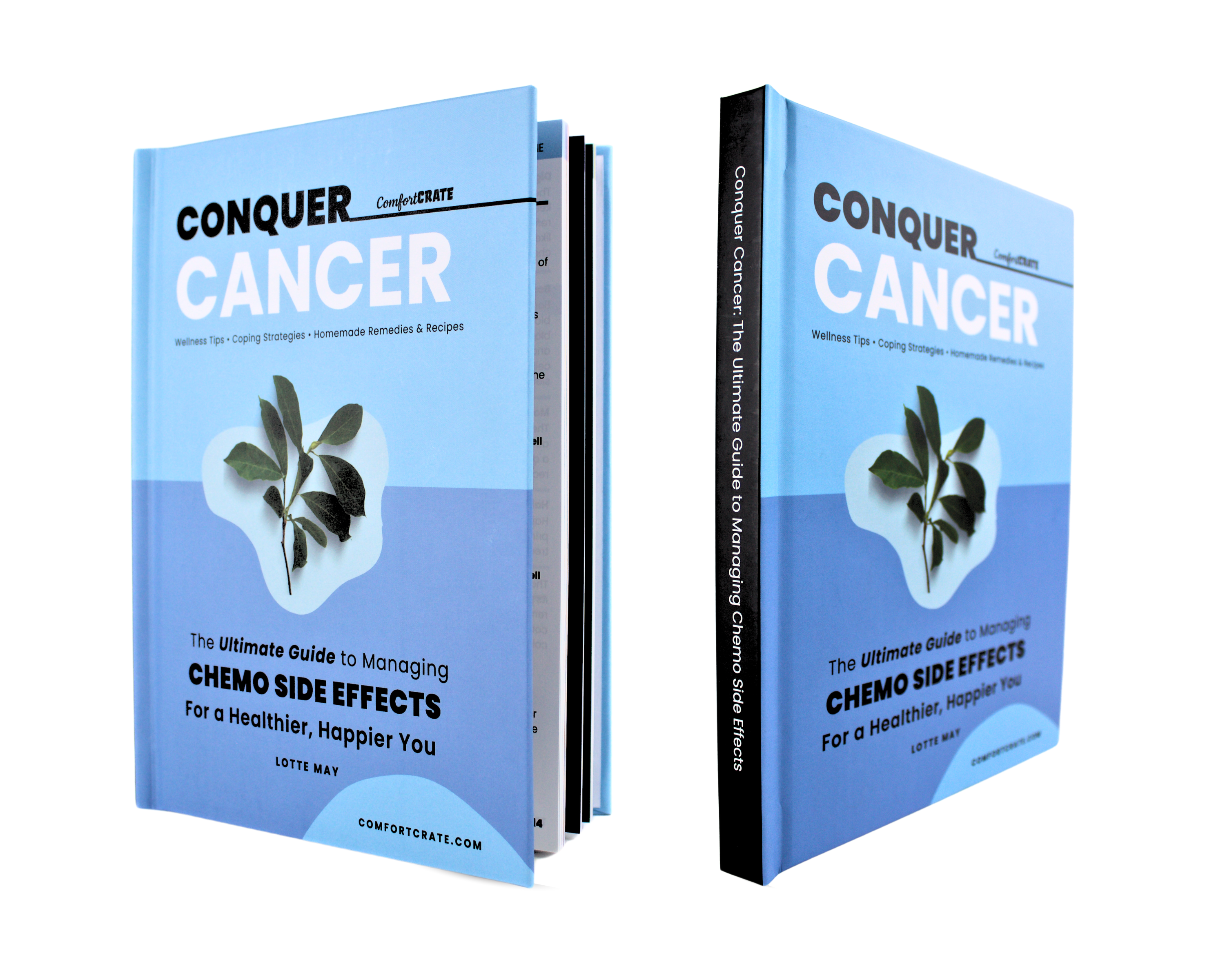
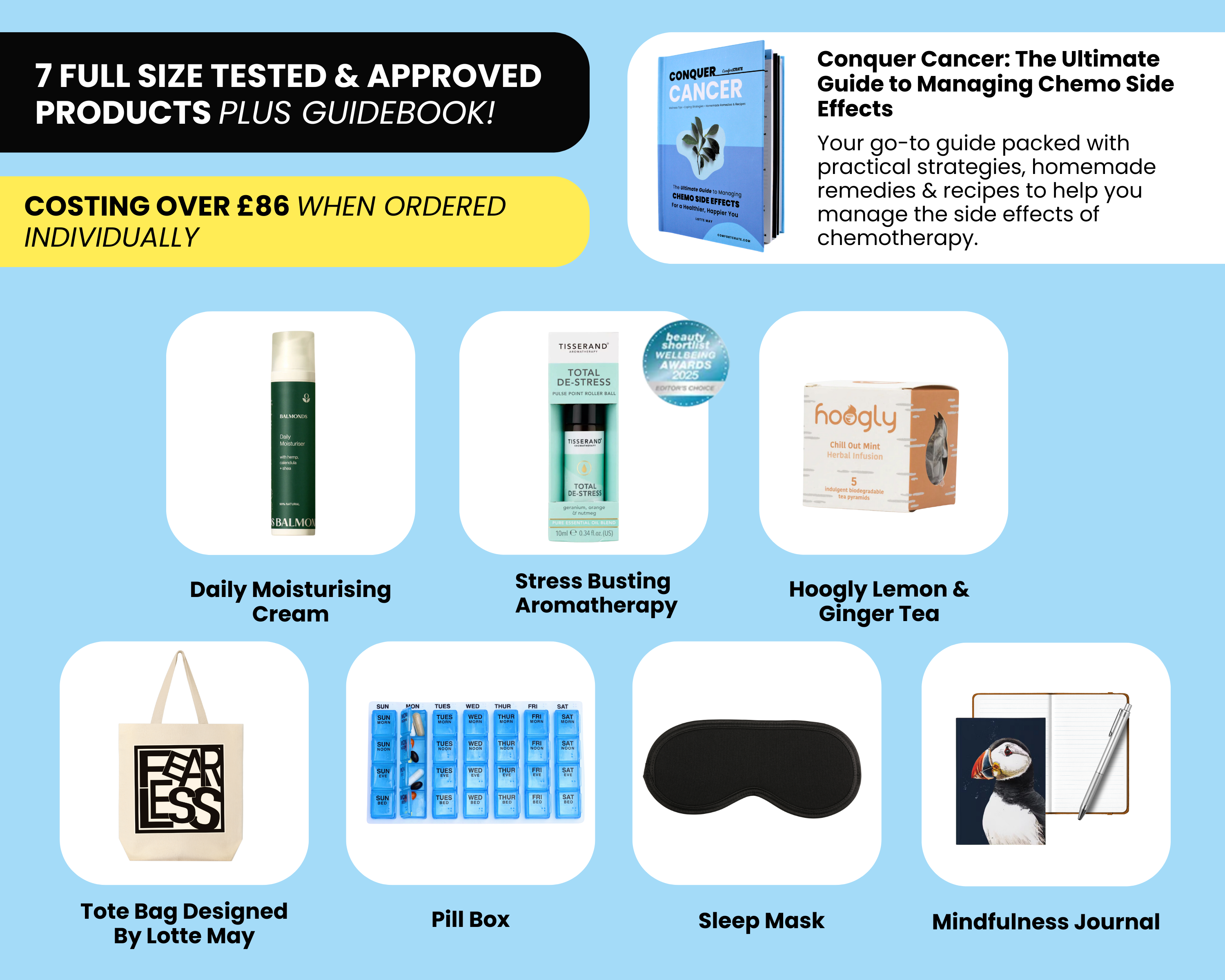
Support for Your Most Challenging Days: Staying active and hydrated is much easier when you have the right support by your side. Our Chemo Day Support Kit is specifically designed to get you through your treatment sessions comfortably. It includes Chemo Guidebook, which features illustrated gentle exercise routines and energy-boosting recipes to fuel your recovery.

Further Reading and Support:
-
Comfort Crate: The Benefits of Power Naps
Learn how to balance your physical activity with the right kind of rest to avoid burning out. -
Cancer Research UK: Exercise and Cancer
Detailed UK guidance on how much activity is recommended based on your specific treatment type. -
Trekstock: Get Moving Support
A UK charity focusing on physical activity and social support for young adults living with and beyond cancer.
About the Author: Lotte May is a stage 4B Hodgkin Lymphoma survivor and founder of Comfort Crate. She uses her background to research to provide patients with practical evidence-based tools for side effect management. Read more about her mission.
Medical Disclaimer: This information is for support and guidance only. Always consult your oncology team before starting a new exercise routine.








Leave a comment
This site is protected by hCaptcha and the hCaptcha Privacy Policy and Terms of Service apply.