

Deep Breathing Exercises Explained | Stress Relief for Chemo Days
Written By Lotte May
Founder of Comfort Crate & Cancer Advocate
Taking a few deep breaths every day can make a drastic difference during your cancer journey. Practicing deep breathing for just a few minutes is one of the most effective ways to combat stress and anxiety. Beyond mental health, it supports pain management, regulates blood pressure, and improves digestion.
The Science of Deep Breathing
When you experience the stress of treatment, your brain releases cortisol. Deep breathing triggers the relaxation response by stimulating the vagus nerve, which signals your heart rate to slow down and your brain to relax. This process physically lowers cortisol levels and releases endorphins, your body’s natural painkillers, helping you manage treatment side effects more effectively.
The Benefits of Deep Breathing
- Stimulates the Lymphatic System: Breathing is responsible for approximately 70% of the body's toxin clearance. Without full breaths, your system must work overtime to process cellular waste and treatment byproducts.
- Improves Immunity: Fully oxygenated blood carries nutrients and vitamins more efficiently. This oxygen-rich environment supports your immune cells in protecting your body.
- Increases Energy: Enhanced oxygen intake optimises mitochondrial function, helping to combat the profound fatigue often associated with chemotherapy.
- Lowers Blood Pressure: As muscles relax, blood vessels dilate, improving circulation and regulating the heart rate.
- Improves Digestion: Healthy blood flow promotes effective organ function, particularly in the intestines, which can help manage nausea and treatment-related digestive issues.
- Supports Correct Posture: Deep inhalation requires the diaphragm to pull down and the lungs to expand, naturally straightening the torso and opening the chest.
5 Deep Breathing Exercises for Recovery
If you are new to breath work, start with Belly Breathing. As you become more comfortable, you can move on to the more advanced techniques below.
- Belly Breathing: Place one hand on your chest and the other on your belly. Breathe in through your nose so your belly rises while your chest remains still. Exhale slowly through pursed lips.
- 4-7-8 Breathing: Inhale through your nose for a count of 4, hold your breath for 7, and exhale completely through your mouth for a count of 8. Repeat for four cycles.
- Relaxed Breathing: Sit or lie comfortably. Close your eyes and inhale through your nose for 4 seconds, pause, and exhale for 4 seconds.
- Roll Breathing: Lie on your back with knees bent. Practice filling your lower lungs (belly hand rises) for 8-10 breaths. Then, add a second step: fill the lower lungs, then continue inhaling to fill the upper chest. Exhale with a quiet "whooshing" sound.
- Morning Breathing: From a standing position, bend forward slightly at the waist. As you inhale deeply, roll up slowly to a standing position, lifting your head last. Hold for a few seconds, then exhale as you bend forward again.
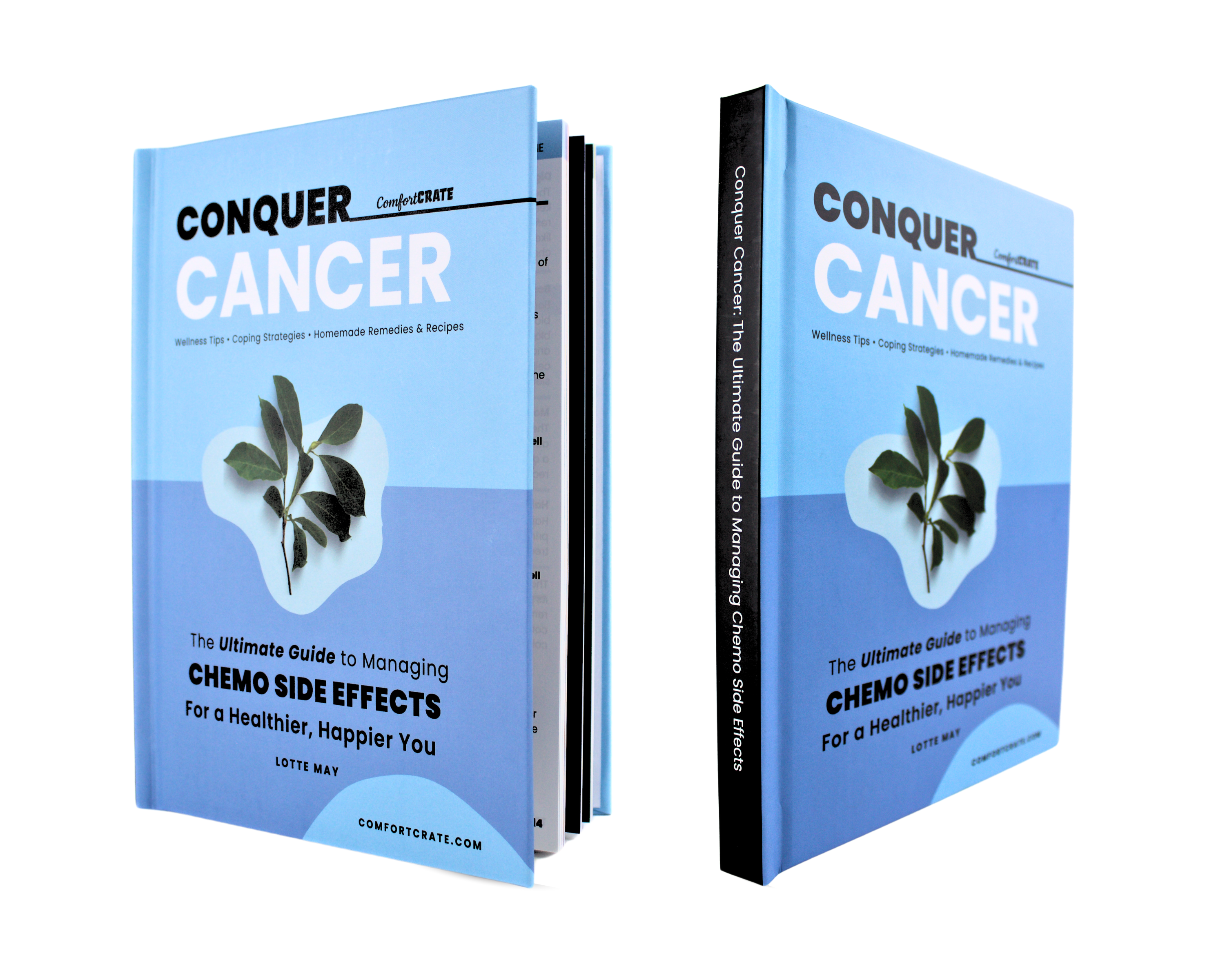
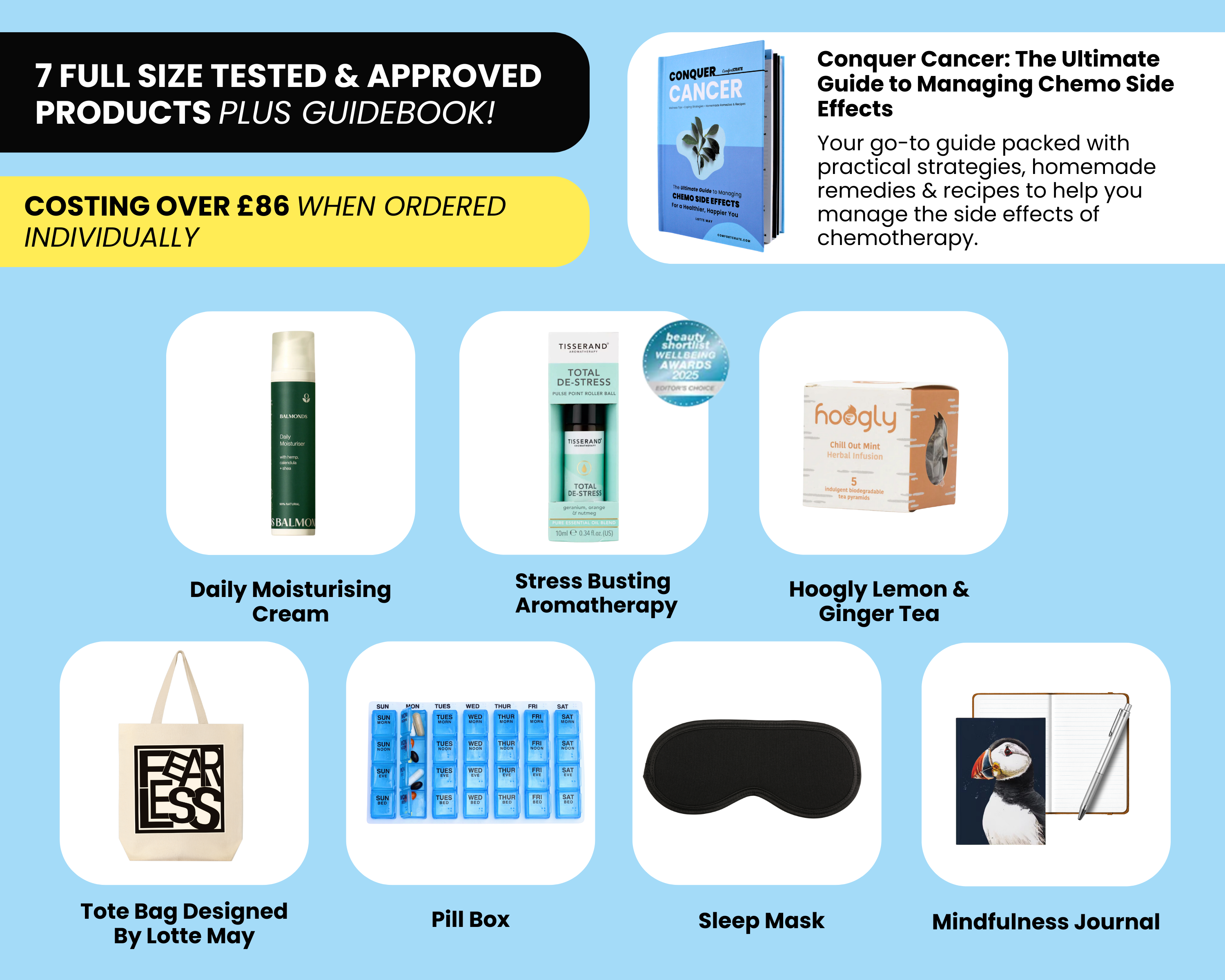
Master Your Side Effects: For a complete roadmap on navigating treatment with confidence, discover The Chemo Side Effect Guide Book. This expert-peer resource provides the practical tools you need to stay in control of your recovery.

Further Reading and Support
- Using Guided Imagery to Relax – Combine breath work with mental visualisation for deeper stress relief.
- NHS Stress Relief Collection – Explore more techniques for managing the emotional hurdles of cancer.
About the Author: Lotte May is a Stage 4B Hodgkin Lymphoma survivor and founder of Comfort Crate. She provides patients with research-backed tools and practical knowledge to live more comfortably during and after treatment.
Read more about her mission.
Medical Disclaimer: This information is for support and guidance only. It does not replace the advice of your medical team.








Leave a comment
This site is protected by hCaptcha and the hCaptcha Privacy Policy and Terms of Service apply.