

Soothing a Sore Scalp: Chemo Hair Loss Guide
Written By Lotte May
Founder of Comfort Crate & Cancer Advocate
Why Does Chemotherapy Make the Scalp So Sensitive?
As hair follicles react to treatment, the scalp often undergoes significant changes before and during hair loss. It is common to experience sensory symptoms such as heat, intense itching, tenderness, or a pins and needles tingling. This is known as trichodynia (scalp pain), and studies show that over 40% of chemotherapy patients experience it. If you notice open sores or intense redness, always inform your oncology team, as they can check for secondary infections like folliculitis.
The Science: Transepidermal Water Loss (TEWL)
Chemotherapy can compromise the skin’s natural lipid barrier. When this barrier is weakened, the scalp experiences a high rate of Transepidermal Water Loss (TEWL)—where moisture literally evaporates out of the skin. This leads to the characteristic tight, dry, and flaky feeling. Standard lotions containing alcohols or fragrances can further strip this barrier, which is why specialised, lipid-rich chemo-safe skincare is essential.
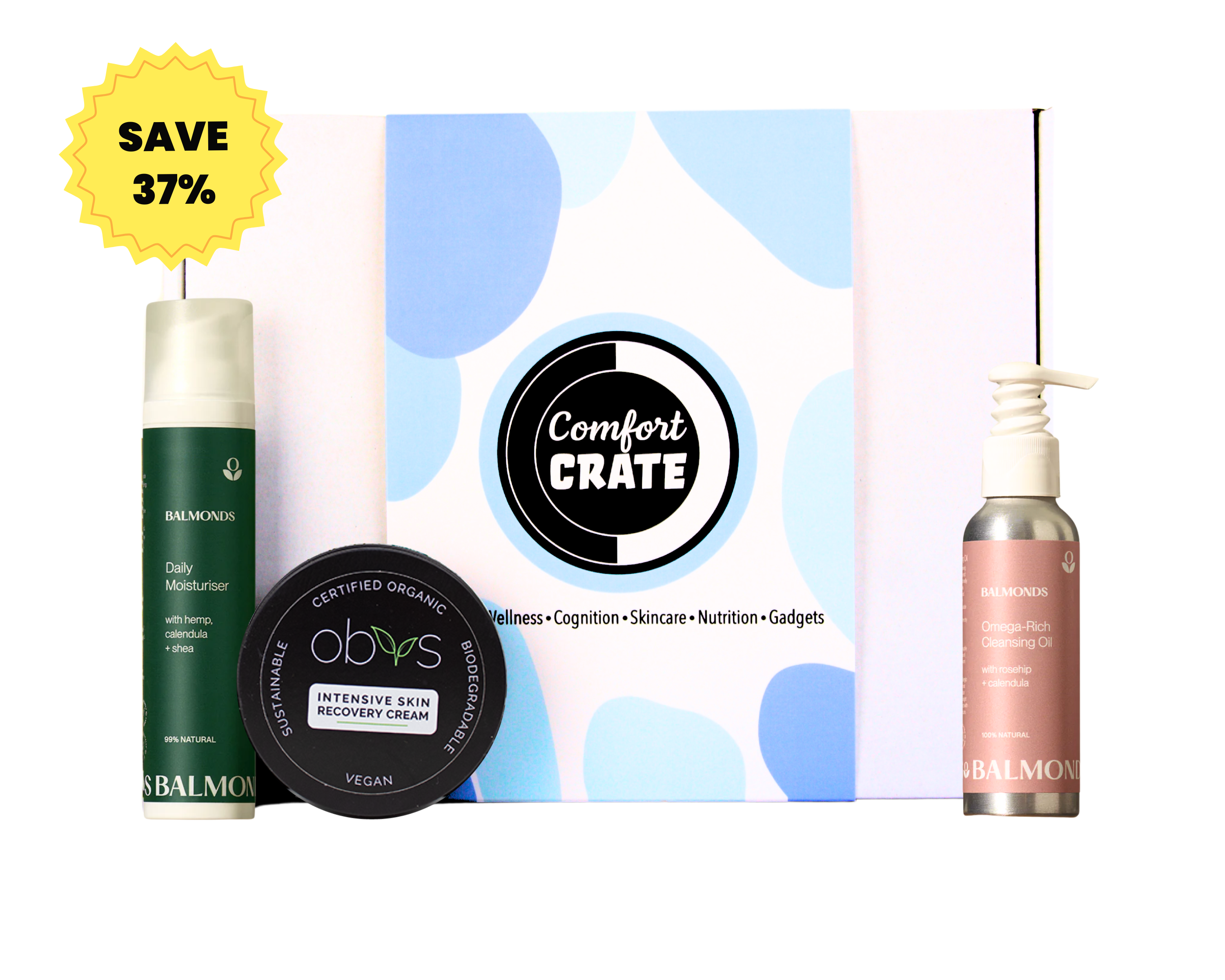
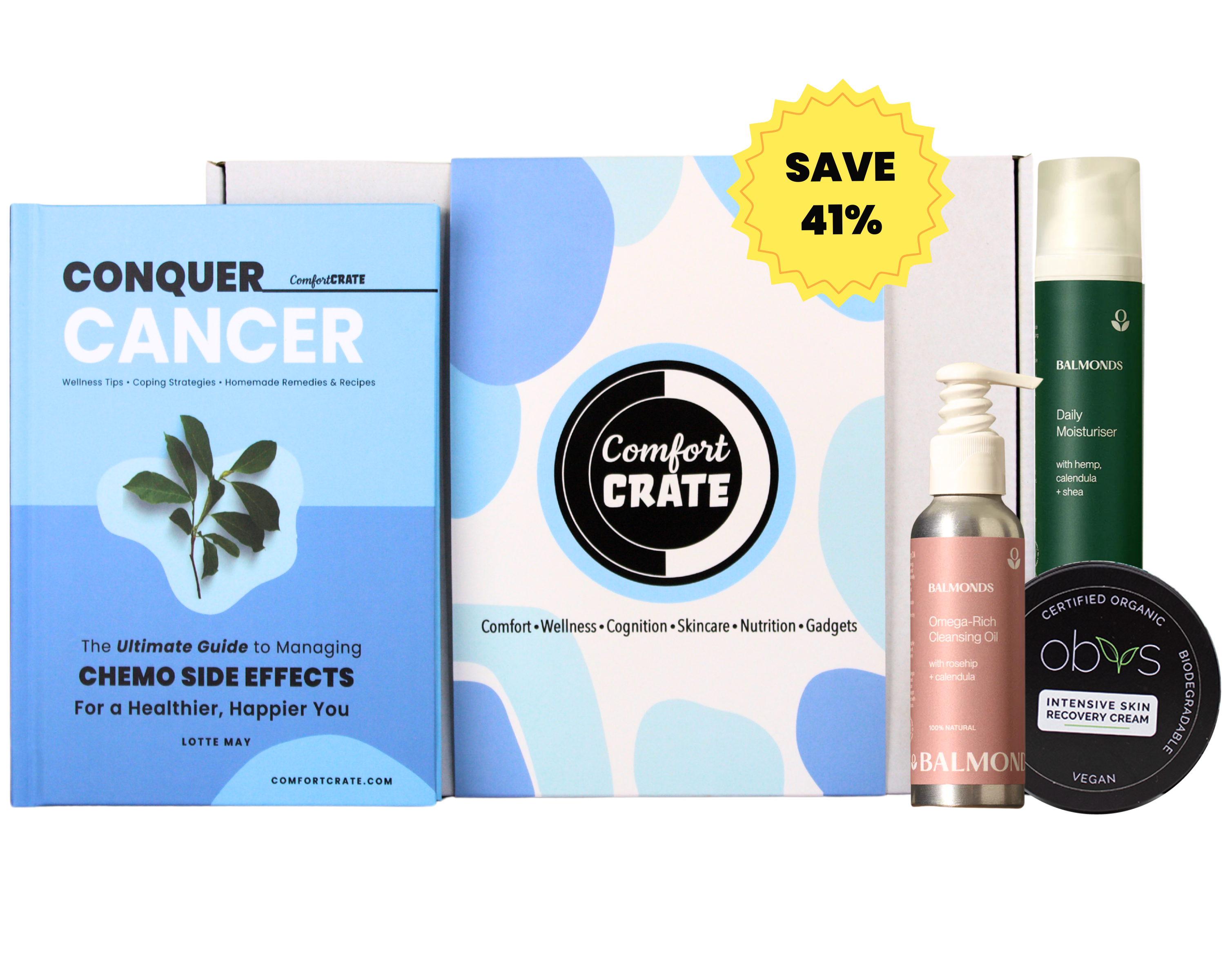
Soothe the Sting: Our 3-Step Chemo Skincare Set is specifically designed to combat TEWL. Featuring natural, fragrance-free ingredients, this set focuses on repairing the skin barrier, hydrating the scalp, and calming the inflammation associated with hair loss. It is the perfect daily ritual to bring a moment of peace and physical relief to your routine.

6 Tips for Caring for a Sensitive Scalp
- Regulate Temperature: Use lukewarm water for washing. Hot water causes vasodilation, which can increase the throbbing sensation in a tender scalp.
- Eliminate Irritants: Switch to laundry detergents and shampoos that are free from SLS, parabens, and synthetic fragrances. The simpler the ingredient list, the better.
- Gentle Effleurage (Massage): Use the pads of your fingers in very light, circular motions. This encourages lymphatic drainage and can alleviate the tension felt during shedding.
- Hygienic Headwear: Change your hats and silk liners frequently. Sweat and oils can build up quickly on a bald scalp, leading to chemo acne or irritation.
- Fabric Choice: Opt for bamboo, silk, or high-grade cotton. These natural fibres breathe better than synthetics, reducing heat buildup on the scalp.
- Daily Hydration: Apply a light, oncology-safe oil or balm twice daily to create a protective seal against environmental irritants.
Protecting Your Scalp: Sun and Cold
Because the scalp skin is thinner post-chemo, it is highly susceptible to UV damage and temperature extremes. In the UK, even on overcast days, UV levels can be high enough to burn a sensitive scalp.
- Sun Protection: Use a mineral-based SPF 50 specifically formulated for the face and scalp. E45 Sensitive Face is a reliable, budget-friendly option.
- Cold Protection: In winter, the scalp loses heat rapidly. A soft bamboo cap worn under a woolly hat provides a soft barrier that prevents itching while keeping you warm.
Further Reading and Professional Support:
-
Cancer Hair Care: Scalp Care During Treatment
Practical advice on managing the physical changes to your skin and scalp. -
British Association of Dermatologists: Skin Care & Cancer
Clinical guidance on how to manage rashes, dryness, and sensitivity caused by chemotherapy. -
Balmonds Omega-Rich Cleansing Oil
An excellent, ultra-gentle alternative to soap for washing a sore scalp.
About the Author: Lotte May is a stage 4B Hodgkin Lymphoma survivor and founder of Comfort Crate. She uses her background to research to provide patients with practical evidence-based tools for side effect management. Read more about her mission.
Medical Disclaimer: This information is for support and guidance only. It does not replace the advice of your medical team.



Leave a comment
This site is protected by hCaptcha and the hCaptcha Privacy Policy and Terms of Service apply.