
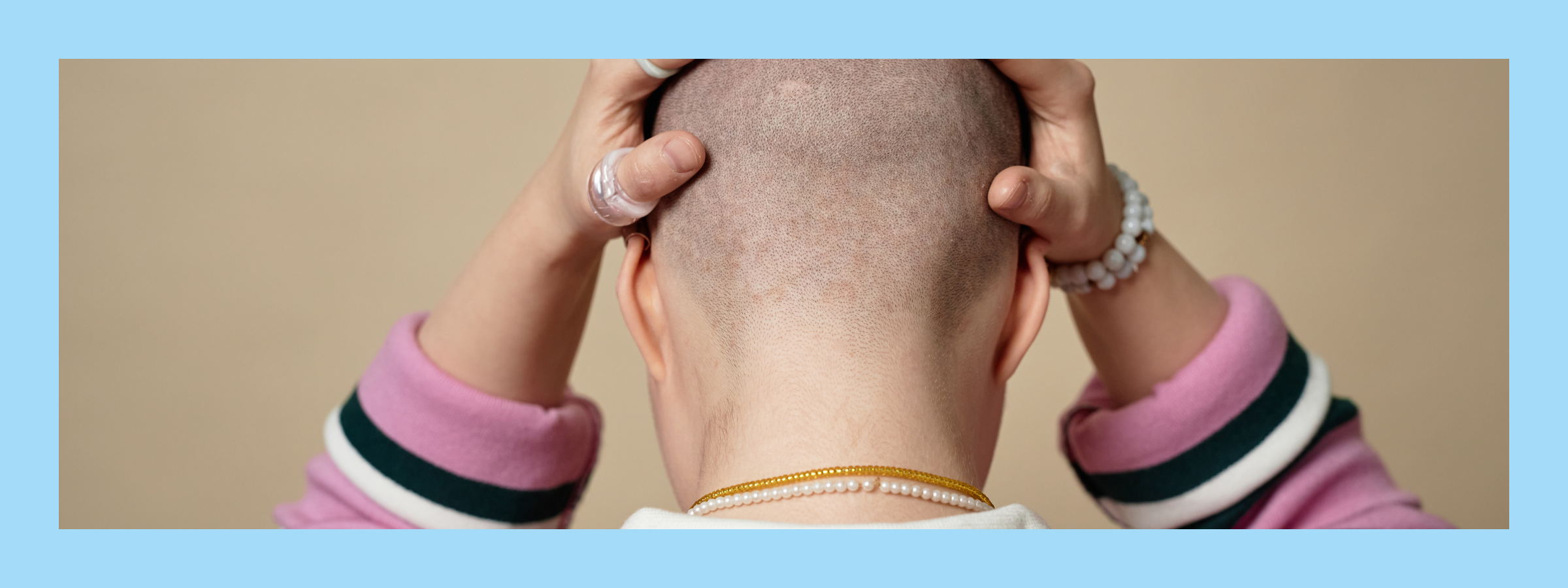
The Stages of Chemo Hair Loss
Written By Lotte May
Founder of Comfort Crate & Cancer Advocate
My Hair is Falling Out, What Should I Do?
For many, losing hair is the most visible and challenging part of the cancer journey. It can feel like your privacy is being taken away, as hair loss often signals a diagnosis to the outside world. However, by understanding the biological timeline and preparing your toolkit early, you can regain a sense of control over the process.
The Science: The Anagen Phase and Treatment
Hair follicles are among the fastest-growing cells in the human body, typically staying in the Anagen (growth) phase for years. Because chemotherapy is designed to target any cell that divides rapidly, these follicles are hit hard and fast. This disruption causes the hair shaft to weaken at the root, leading to the shedding we see a few weeks into treatment.
The Chemotherapy Hair Loss Timeline
1. Consultation with Your Team
Every treatment protocol is unique. Some drugs cause total alopecia (hair loss), while others only cause thinning. Ask your oncologist specifically about the likely course for your medication so you can plan your headwear ahead of time.
2. The 2-4 Week Window
Most patients notice shedding starting between day 14 and day 28 of their first cycle. You may feel scalp tenderness—a bruised or tingling sensation—as the hair begins to release from the follicle. This is the ideal time to focus on scalp hydration to ease discomfort.
3. Experiment and Have Fun
If you know your hair will fall out, use this as an opportunity for hair bucket list items. Dye it a fantasy colour, try a daring cut, or experiment with styles you were previously too nervous to try. Reclaiming the fun in your appearance is a powerful act of defiance.
4. The Short Cut Strategy
Transitioning to a shorter style before the shedding begins makes the process feel more manageable. Short hair doesn't lie as flat, making it appear fuller, and it is much easier to manage under wigs or headscarves.
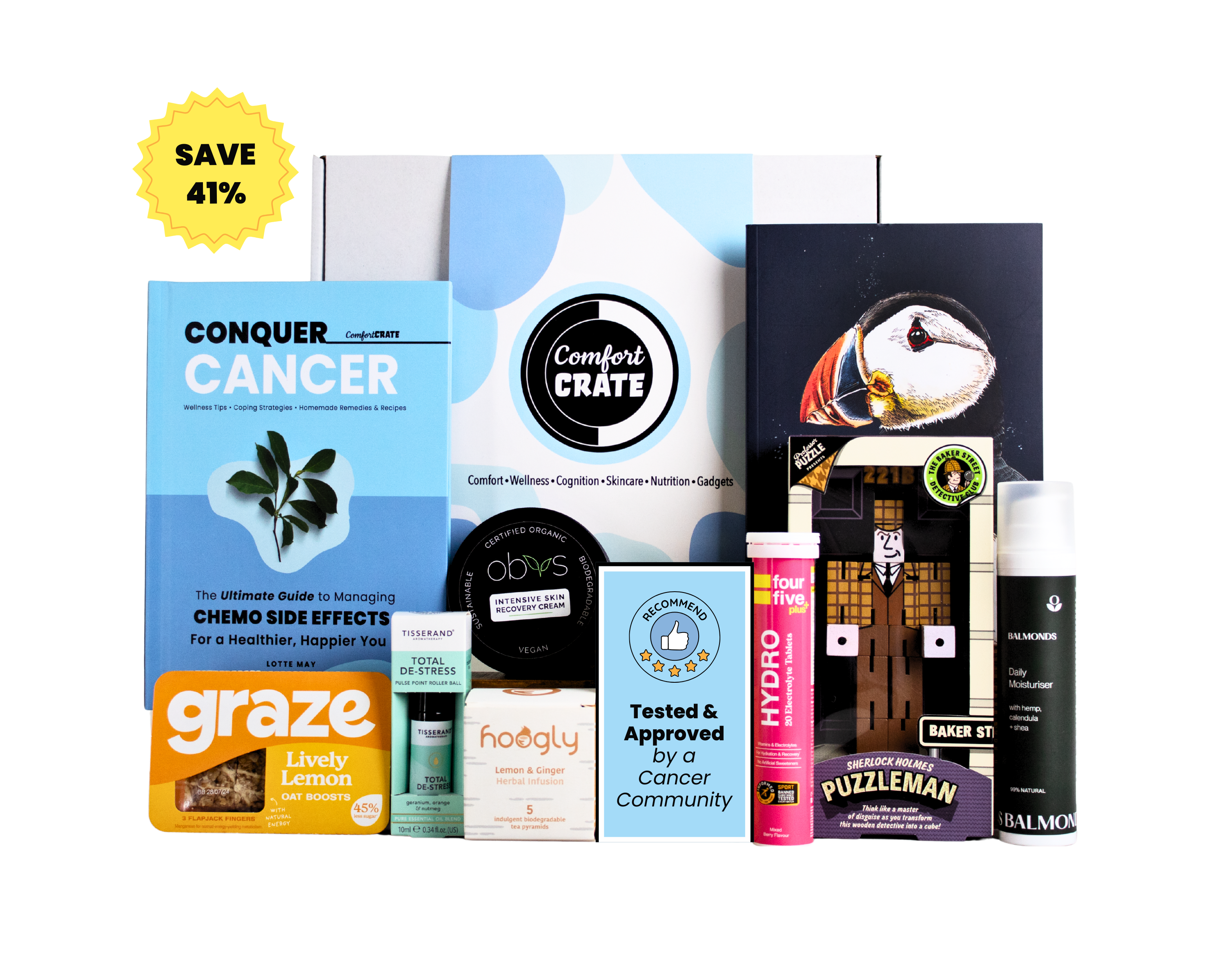
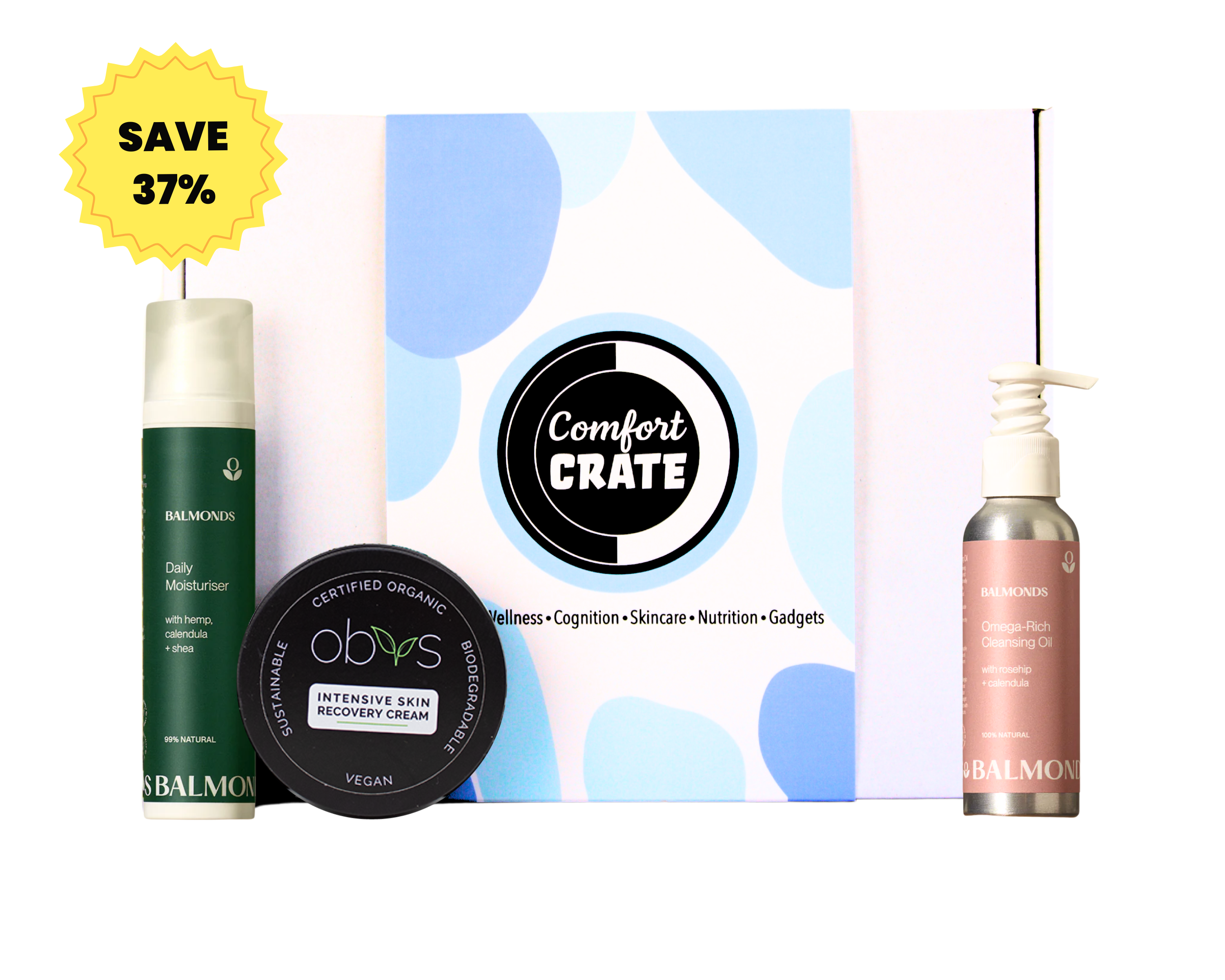
Soothe the Transition: As your hair begins to thin, your scalp becomes exposed and often highly sensitive. Our 3-Step Chemo Skincare Set is specifically designed to manage the itchiness and tenderness that occurs during this stage. Using gentle, fragrance-free hydration helps repair the skin barrier, making the transition to a shaved head much more comfortable and less irritating.

My Personal Experience: Finding Peace in the Shave
During my own treatment, I was largely unprepared for the speed of hair loss. Seeing a pile of hair on my pillow each morning was deeply distressing. I eventually had a hairdresser come to my home to cut my hair short, which helped me feel put together for a little longer.
However, when the bald patches appeared, the mirror became a constant reminder of my illness. The decision to shave my head at home with my fiancé was a turning point. While it was emotional, it was also a relief. I no longer had to fear the clumps. If you are feeling nervous, I highly recommend shaving in a private, comfortable space with someone you trust, using electric shears to prevent cuts and infections.
Further Reading and Professional Support:
-
Comfort Crate: Coping After Hair Loss
Practical advice on navigating life once the hair is gone and how to care for your new look. -
Mayo Clinic: Understanding Hair Loss
Comprehensive guide on emotional support and practical solutions for chemotherapy-induced alopecia. -
Cancer Research UK: Scalp Cooling (Cold Capping)
Information on how cold capping works and whether it might be an option for your specific treatment.
About the Author: Lotte May is a stage 4B Hodgkin Lymphoma survivor and founder of Comfort Crate. She uses her background to research to provide patients with practical evidence-based tools for side effect management. Read more about her mission.
Medical Disclaimer: This information is for support and guidance only. It does not replace the advice of your medical team.



Leave a comment
This site is protected by hCaptcha and the hCaptcha Privacy Policy and Terms of Service apply.