
How to Live with a PICC Line: Showering, Clothing, and Daily Care Tips
Written By Lotte May
Founder of Comfort Crate & Cancer Advocate
What are the Safety Issues with a PICC Line?
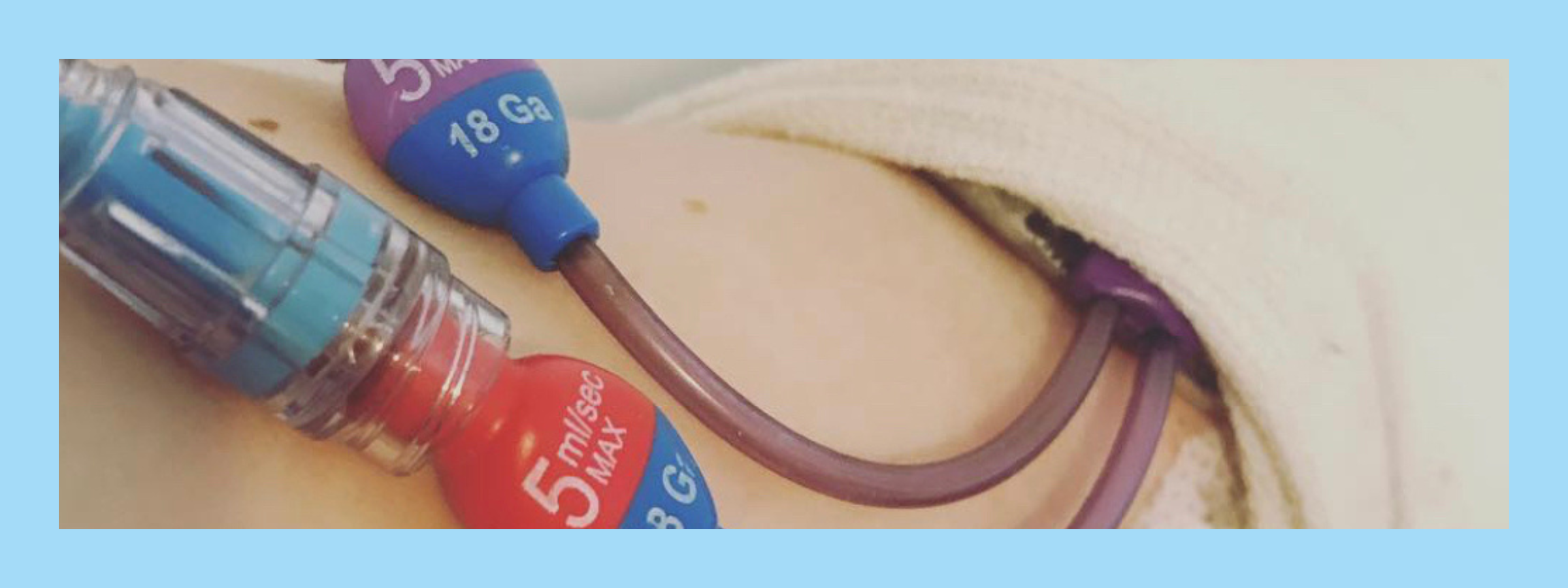
Having a PICC line means adjusting a few of your daily habits. While you can continue with most of your normal routine, you must be cautious with repetitive arm movements or heavy lifting, as these can displace the catheter. While it requires a learning curve, the benefit of avoiding repeated needle sticks makes it an invaluable tool during treatment.
When Should I Be Worried About My PICC Line?
Your healthcare team will show you how to monitor your line daily. Early detection of issues is the best way to prevent delays in your treatment. Contact your doctor immediately if you notice:
- Redness or red streaking near the exit site.
- Increasing tenderness or pain.
- Fluid leakage from the tube or under the dressing.
- New swelling in the arm, hand, or neck.
- Bleeding that doesn't stop with gentle pressure.
The Science of Thrombophlebitis
One reason we monitor PICC lines so closely is to prevent thrombophlebitis—an inflammatory process that causes a blood clot to form and block one or more veins, usually in your arm. Because the PICC line is a "foreign object" in your vessel, it can occasionally irritate the vein wall. By keeping the area still and following flushing protocols, you help maintain smooth blood flow and reduce the risk of clot formation.
Relieving PICC Line Pain and Discomfort
For the first few days, your arm may feel numb, sore, or slightly swollen as your body adjusts to the line. This is a normal inflammatory response. To ease the discomfort:
- Warm Compresses: Apply a warm pack to the area for 30 minutes every 2 hours during the first 24 hours post-insertion.
- Anti-inflammatories: If approved by your doctor, taking ibuprofen with meals for the first 3 days can help manage localised inflammation and soreness.
Daily Precautions and Things to Avoid
- Contact Sports: Avoid sports like football or rugby where the line could be pulled or impacted.
- Heavy Lifting: Avoid lifting anything over 5 to 10 pounds (including heavy handbags or backpacks) with your PICC arm.
- Sharp Objects: Be extremely mindful when using scissors or knives; a nick to the external tubing requires an emergency repair.
- Pets: Keep pets away from your line to prevent accidental snagging or scratching.
- Keep it Dry: If the dressing becomes wet, it loses its sterile seal. Schedule an emergency dressing change immediately to lower infection risks.
- The "No-Go" List: Never allow blood draws, IV starts, or blood pressure cuffs on the arm where your PICC line is placed.
Maintenance: Flushing and Longevity
A PICC line can stay in place for 6–8 months, lasting throughout your entire treatment cycle. To keep it functional, it must be flushed weekly by a nurse. This involves cleaning the exit site and pushing a sterile saline solution through the tube to prevent clogs. For me, this always felt like a strange cold rush through my veins—it’s an odd sensation, but it’s over in seconds!
Showering Safely with a PICC Line
You can bathe and shower, but the golden rule is zero moisture on the dressing:
- Use a waterproof cast cover or a dedicated PICC protector.
- Do not submerge the arm in a bath, even with a cover on.
- Opt for warm showers rather than hot, steamy ones, as steam can weaken the medical adhesive on your dressing.
- Never apply lotions or ointments under or around the dressing.
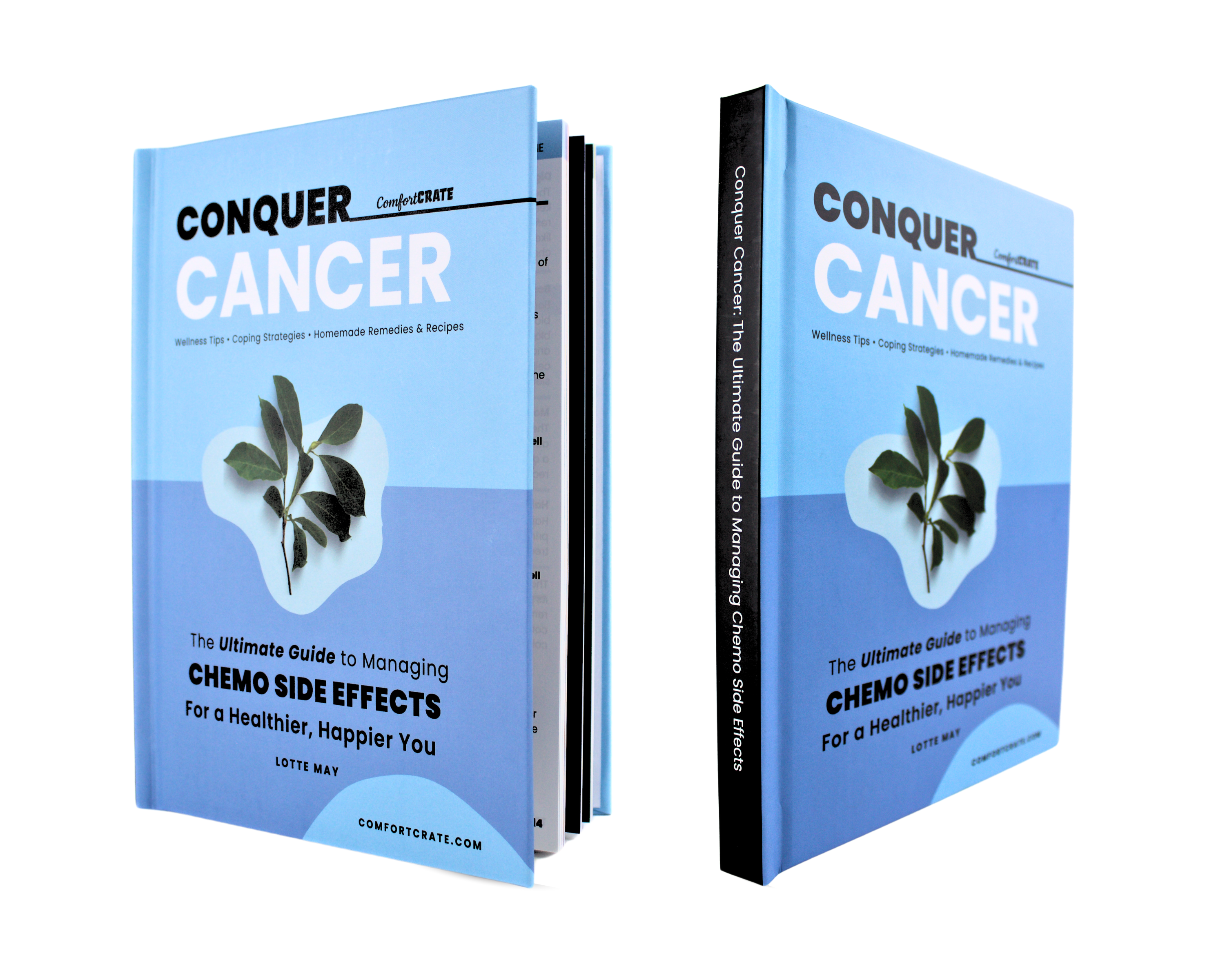
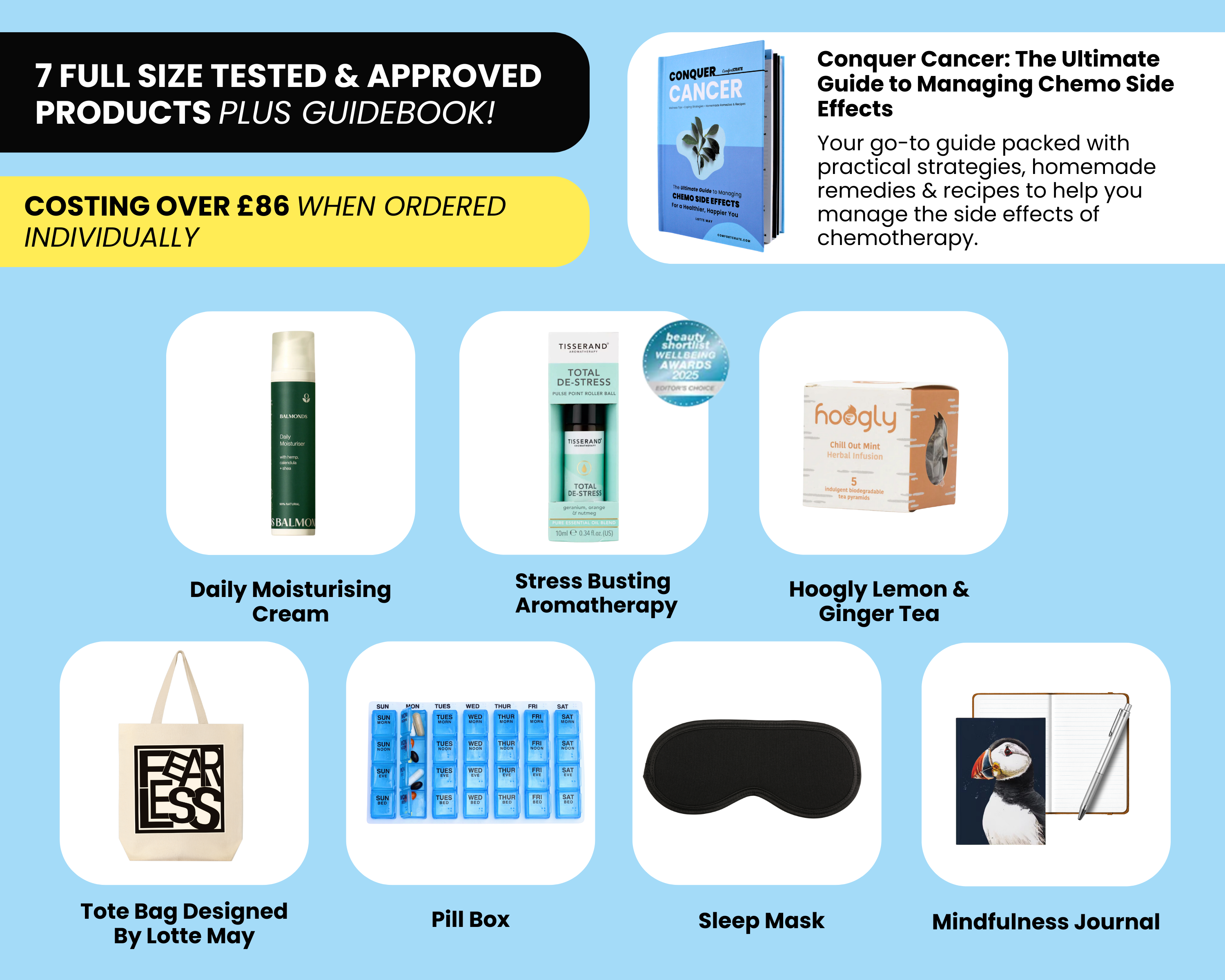
Protect Your Line, Protect Your Peace: Navigating life with a central line is easier when you have the right roadmap. For survivor-led advice on showering, dressing, and managing PICC-related anxiety, discover The Chemo Side Effect Guide Book. It’s the expert-peer resource you need for a smoother recovery.

Further Reading and UK Resources:
-
NHS: Managing Your PICC Line
Essential UK guidance on daily maintenance, potential complications, and when to seek emergency help. -
NHS PICC Line Safety
A detailed breakdown of the insertion process and safety protocols used within the NHS.
About the Author: Lotte May is a Stage 4B Hodgkin Lymphoma survivor and founder of Comfort Crate. She provides cancer patients with research-backed tools and practical knowledge to make the treatment journey more manageable. Read more about her mission.
Medical Disclaimer: This information is for support and guidance only. It does not replace the advice of your medical team.






Leave a comment
This site is protected by hCaptcha and the hCaptcha Privacy Policy and Terms of Service apply.