
PICC Line for Chemo | Procedure & Care
Written By Lotte May
Founder of Comfort Crate & Cancer Advocate
What is a PICC Line?
A PICC line (Peripherally Inserted Central Catheter) is a long, thin tube that prevents the need for repeated needle sticks each time you receive medicine or have blood drawn. It is typically inserted into a vein in your upper arm, usually your non-dominant arm to allow for more freedom of movement during daily activities.
One end of the PICC line stays outside the body, dividing into 1, 2, or 3 smaller tubes called lumens. Each lumen has a needleless connector and a disinfection cap. The other end travels through your veins to a large vein near your heart. Because this vein is large and has high blood flow, medication is diluted more quickly, making it significantly less irritating to your vascular system.
The Science of Hemocompatibility
In oncology, we focus on hemocompatibility—how well a treatment or device interacts with your blood and vessels. Many chemotherapy drugs are "vesicants," meaning they can damage smaller peripheral veins in the hand or forearm. By using a PICC line to deliver medicine into a large central vein, we reduce the risk of phlebitis (vein inflammation) and ensure the treatment is distributed efficiently throughout your body.
PICC Line Insertion Procedure
The procedure is routine and designed to be as comfortable as possible:
- Ultrasound Guidance: A nurse or doctor uses a hand-held ultrasound device to identify the healthiest, strongest vein in your arm.
- Numbing the Area: The skin is cleaned with antiseptic, and a local anaesthetic is used to numb the site completely.
- Placement: The PICC line is threaded through a small needle into the vein. This is typically painless and takes very little time.
- Verification: The line is secured with a clear dressing. A chest X-ray is often performed immediately after to confirm the tip of the catheter is in the perfect position near the heart.

Risks and Complications to Watch For
It is normal to experience mild discomfort or slight bleeding at the exit site for 1 to 3 days post-procedure. If bleeding occurs, apply gentle pressure and a cold compress. Note: Do not shower for the first 24 hours to keep the dressing dry and secure.
PICC Line Infection Symptoms
While complications are rare, you should contact your care team immediately if you notice:
- Swelling, redness, or red streaking on the PICC line arm.
- A fever or sudden chills.
- Pain that worsens over time rather than improving.
- Leaking fluid when the catheter is being flushed.
- Swelling of the hand, neck, or arm on the side of the line.
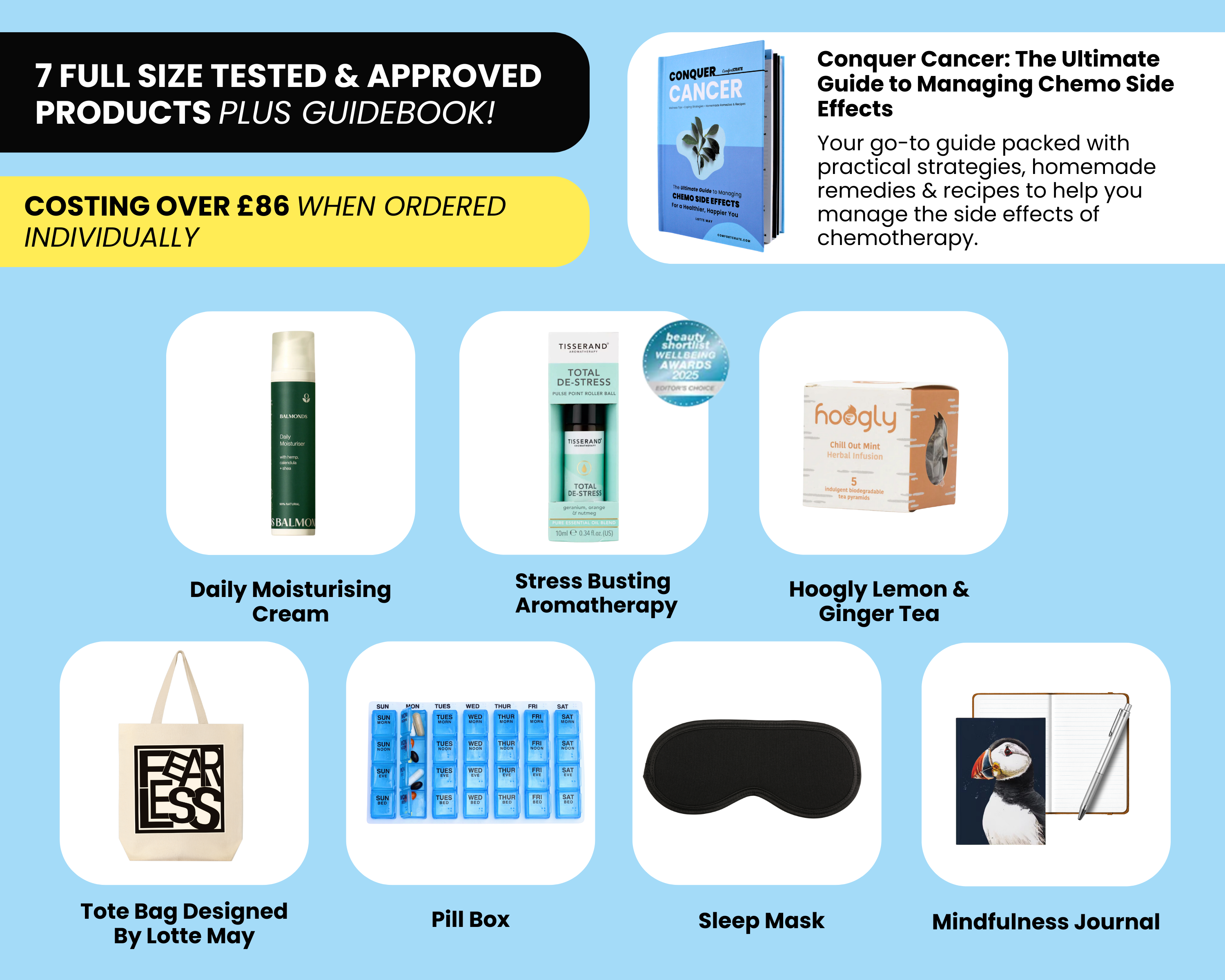
Master Your Recovery: Living with a PICC line requires a few practical adjustments to your daily routine. For a complete guide on protecting your line and managing treatment side effects, discover The Chemo Side Effect Guide Book. This resource provides the expert-peer guidance you need to stay comfortable and confident.

Further Reading and UK Resources:
-
Macmillan Cancer Support: PICC Lines Explained
A comprehensive guide on how PICC lines are used in the UK, including detailed care instructions and how they differ from other central lines. -
Cancer Research UK: Having a PICC Line
Detailed clinical information on the insertion process, daily maintenance, and what to do if you suspect a blockage or infection.
About the Author: Lotte May is a Stage 4B Hodgkin Lymphoma survivor and founder of Comfort Crate. She provides cancer patients with research-backed tools and practical knowledge to make the treatment journey more manageable. Read more about her mission.
Medical Disclaimer: This information is for support and guidance only. It does not replace the advice of your medical team.









%20is%20a%20long,%20thin%20tube%20that%20prevents%20the%20need%20for%20repeated...)
Leave a comment
This site is protected by hCaptcha and the hCaptcha Privacy Policy and Terms of Service apply.