

Understanding Lymphoedema After Cancer Treatment
Written By Lotte May
Founder of Comfort Crate & Cancer Advocate
What is Lymphoedema?
As the name suggests, lymphoedema occurs when the lymphatic system is damaged. While primary lymphoedema is genetic, secondary lymphoedema is often a result of cancer or cancer treatments that destroy or remove lymph nodes. This leads to persistent swelling, pain, and a feeling of heaviness, most commonly in the arms or legs.
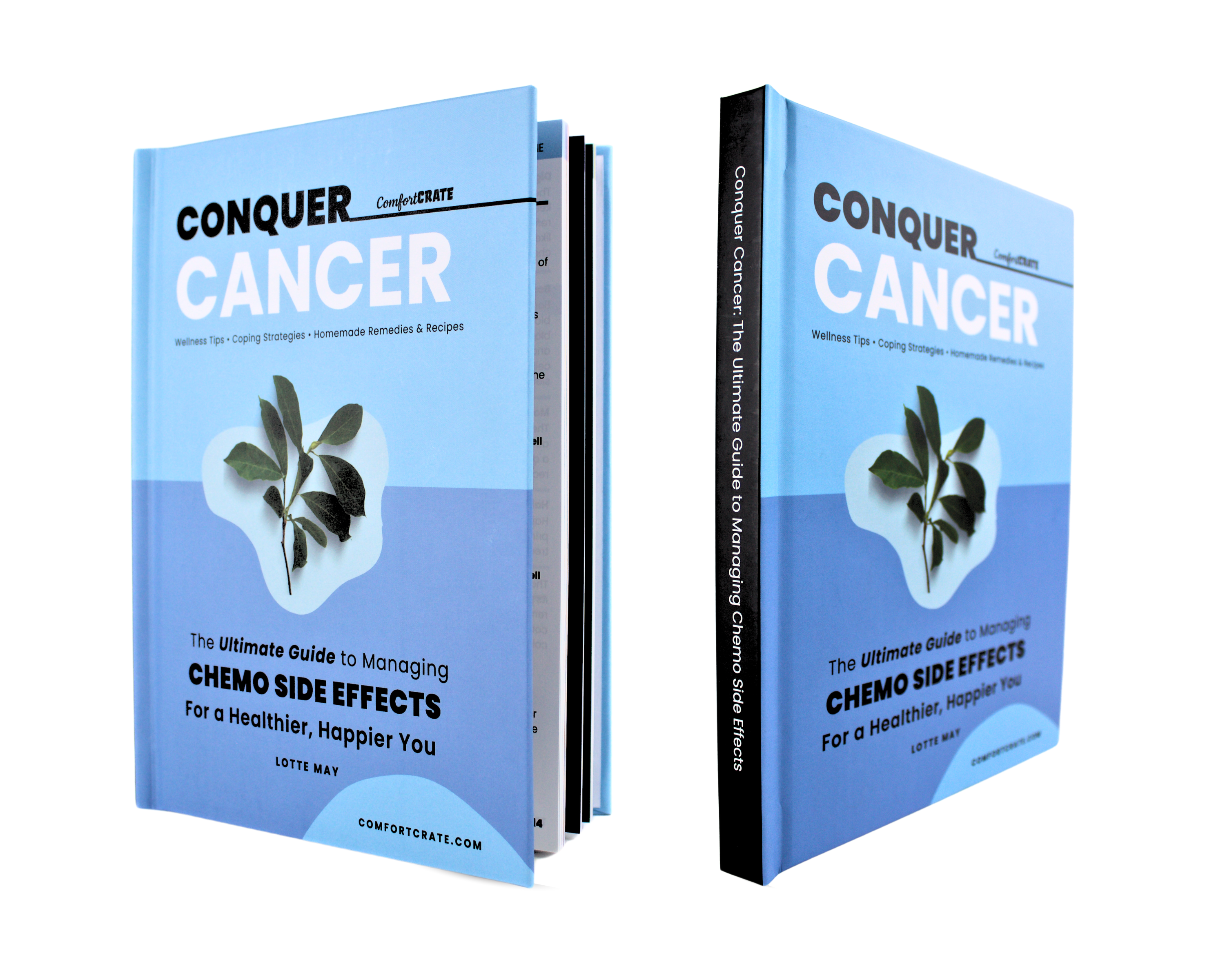
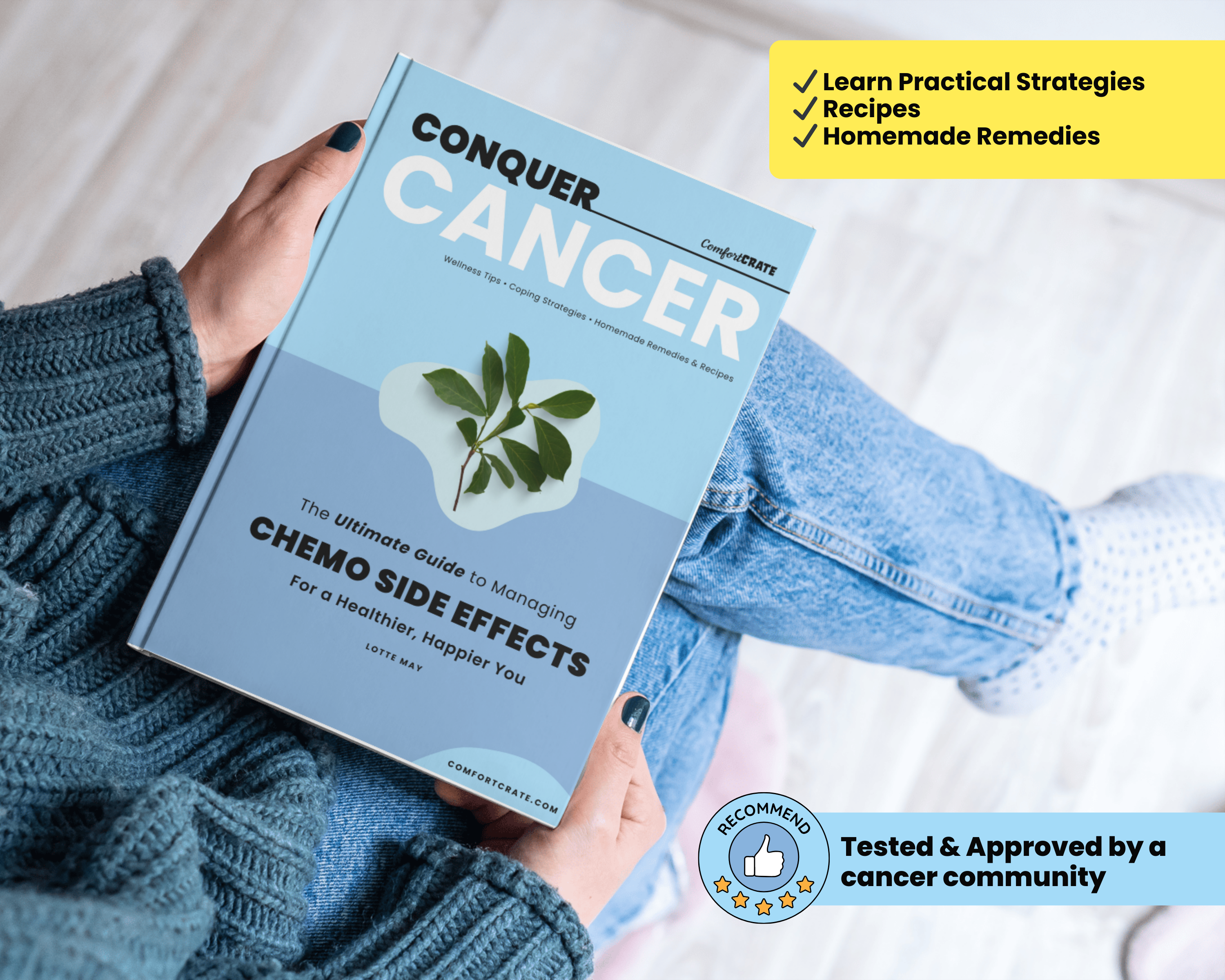
Monitor Your Body: Early diagnosis is vital for managing lymphoedema effectively. Our Conquer Cancer Guidebook includes dedicated sections for tracking physical changes, such as skin tightness and limb swelling. By recording these changes daily, you can provide your medical team with the evidence needed for early intervention.

Common Lymphoedema Symptoms
Recognising lymphoedema symptoms early prevents them from worsening. Look out for:
- Swelling: Persistent swelling in your arm, leg, or other body parts that may feel worse at the end of the day.
- Pitting Oedema: When pressing your skin (e.g., with a thumb) leaves a temporary indentation.
- Tightness: Clothing, rings, or bracelets suddenly feeling much tighter than usual.
- Skin Changes: Hard or tight skin (fibrosis), discolouration, reddening, or even fluid leaking through the skin (lymphorrhea).
- Sensations: A persistent feeling of heaviness, aching, or discomfort in the affected area.
- Infections: Frequent skin infections, such as cellulitis.
How the Lymphatic System Works
The lymphatic system is a key part of your immune system. It consists of organs like the spleen and thymus, plus a network of nodes and vessels. It circulates lymph, a colourless fluid that seeks out bacteria and abnormal cells before draining back into the lymph nodes for purification.
How Cancer Damage Happens
Cancer treatments can create scar tissue that damages lymph vessels. Think of a river that has been dammed; the lymph fluid builds up behind the dam of scar tissue, causing the surrounding area to swell. While these underlying causes are often irreversible, appropriate treatment can keep swelling to a minimum.
Read more: Treatments for Lymphoedema: A Comprehensive Guide
Further Reading and Support (Unique UK Resources)
-
LSN: The Lymphoedema Support Network
The UK's leading patient-led charity. They provide high-quality information leaflets and a support line for those struggling to get a diagnosis. -
British Lymphology Society: Find a Specialist
A professional UK body where you can learn about the latest standards of care and find certified lymphoedema therapists in your local area. -
Comfort Crate: Skincare During Cancer Treatment
Our guide on managing the skin changes associated with lymphoedema and chemotherapy to prevent infections like cellulitis.
About the Author: Lotte May is a stage 4B Hodgkin Lymphoma survivor and founder of Comfort Crate. She uses her research background to provide patients with evidence-based tools for side effect management. Read more about her mission here.
Medical Disclaimer: This information is for support and guidance only. It does not replace the advice of your medical team.







Leave a comment
This site is protected by hCaptcha and the hCaptcha Privacy Policy and Terms of Service apply.