

Hydration and Cancer Treatment: Why It Matters and How to Manage It
Written By Lotte May
Founder of Comfort Crate & Cancer Advocate
How Important is Hydration During Cancer Treatment?
Dehydration is a common and taxing side effect of cancer treatment, often triggered by vomiting, fevers, and medications that increase urination. Maintaining adequate fluid intake is crucial because water helps your body flush out the toxic byproducts of chemotherapy. Efficiently clearing these toxins reduces the severity of side effects and decreases the likelihood that your treatment schedule will be delayed.
The Science: Why Your Body Needs Water Now
During chemotherapy, your cells are under significant stress. Water serves as the primary transport system to deliver vital nutrients to recovering cells while acting as a lubricant for joints and a regulator for body temperature. Research shows that proper hydration also improves cognitive function and mood, helping to combat the fog often felt during treatment cycles.
Dehydration Symptoms: What to Watch For
Loss of appetite and taste changes can make drinking water feel like a chore. By recognising the signs of dehydration early, you can take action before it impacts your treatment plan:
- Mild: Fatigue, light-headedness, dizziness, or constipation.
- Moderate: Dark yellow urine, decreased urination frequency, headaches, and dry skin or lips.
- Severe: Nausea, extreme thirst, disorientation, rapid heartbeat, or the inability to sweat.
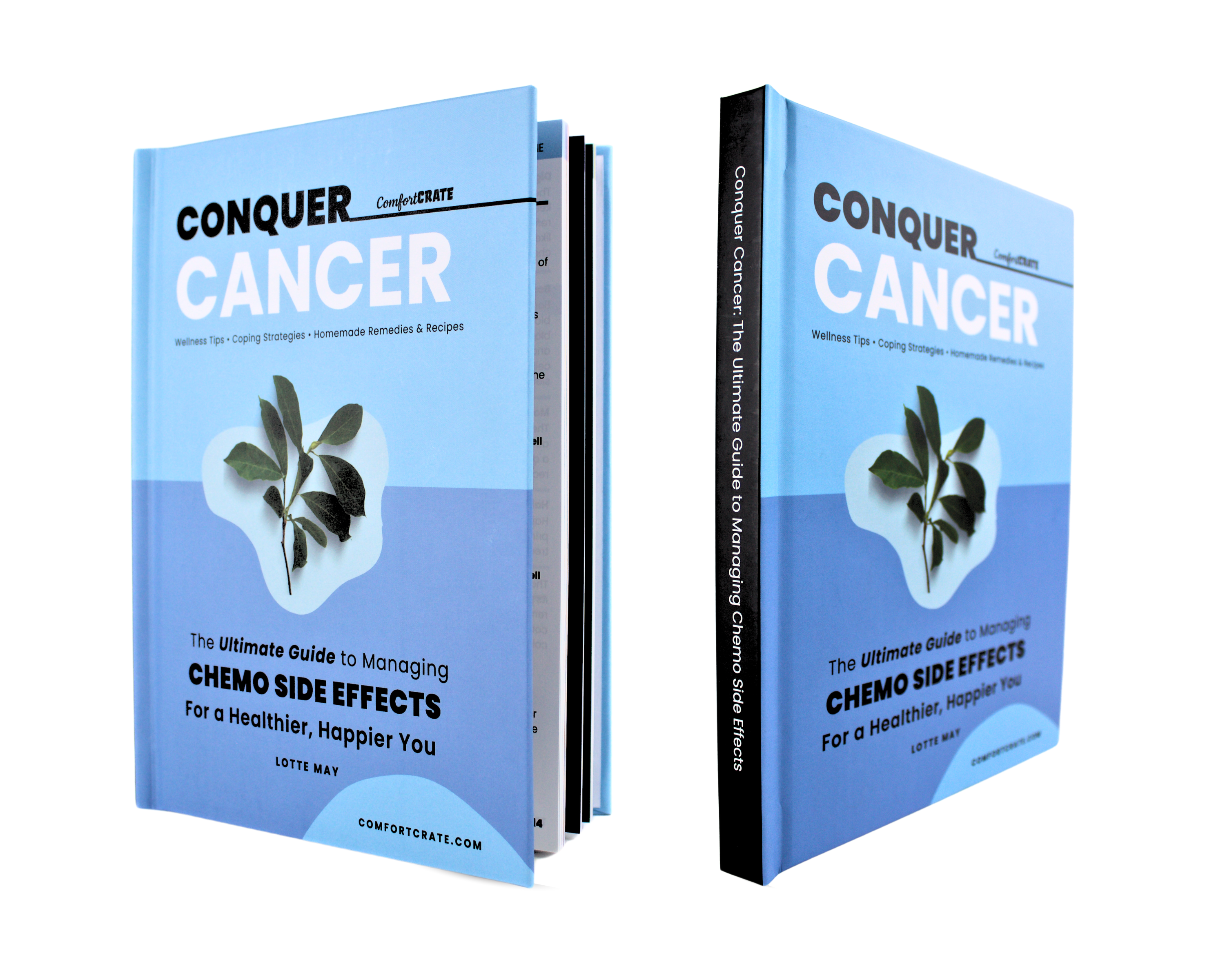
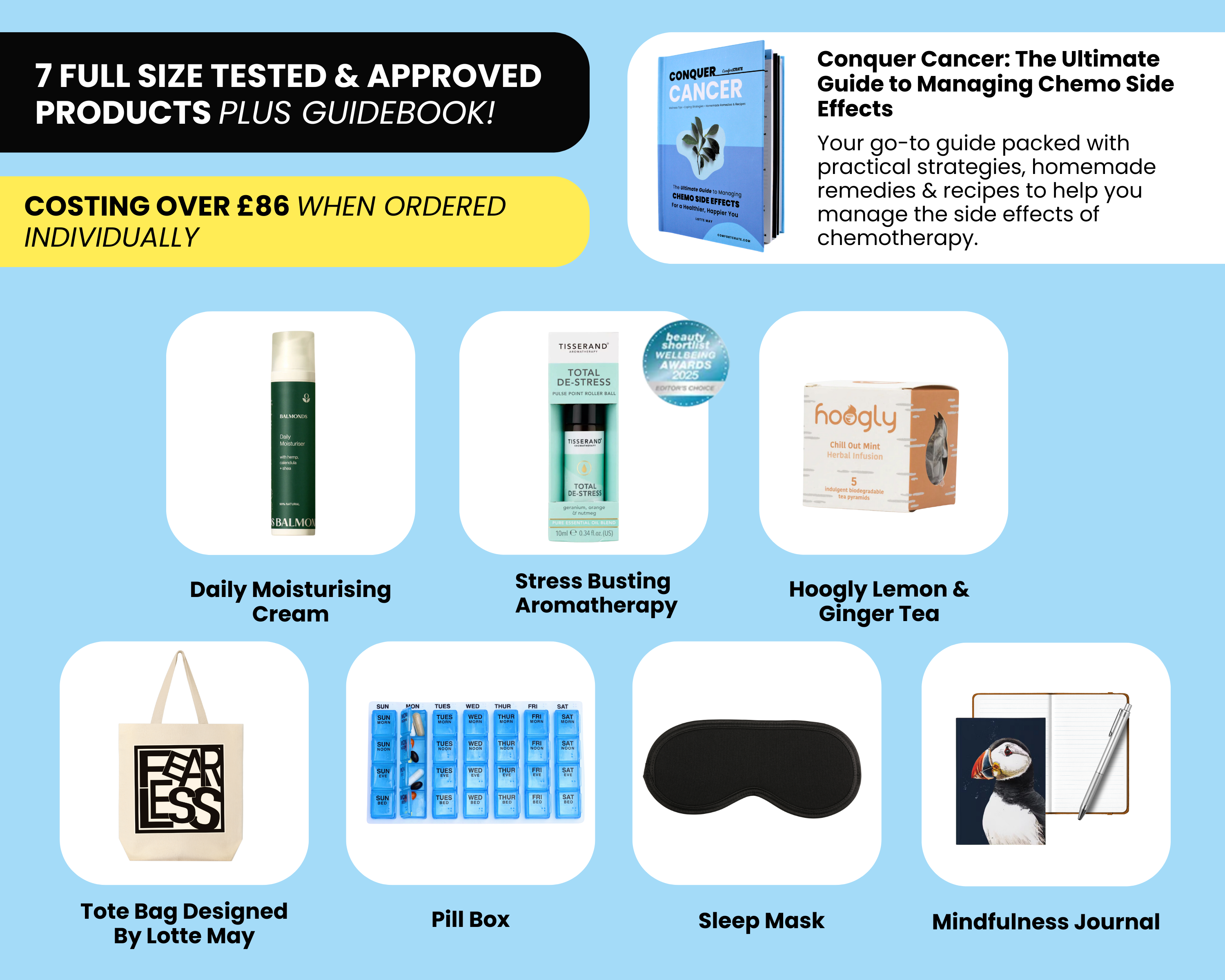
Your Treatment Day Essential: Staying hydrated is the single best way to support your body in the treatment chair. Our Chemo Day Support Kit features a high-quality, insulated water bottle to keep your drinks at the perfect temperature, along with our Ultimate Guidebook which includes a dedicated chapter on managing taste changes and a specific rehydration protocol to follow after being sick.

Managing the Metallic Taste
Many patients find that water takes on a metallic or chemical taste during treatment. To overcome this, try adding flavour anchors like fresh ginger, mint, cucumber, or citrus slices. If cold water is difficult to swallow, try sucking on ice cubes or fruit lollies made from watermelon or strawberries.
Step-by-Step: Rehydrating After Being Sick
If you have been struggling with vomiting, it is important to wake the digestive system up slowly:
- Wait 60 minutes after vomiting has stopped.
- Try 30ml of liquid every 20 minutes for one hour.
- If tolerated, increase to 240ml during the second hour.
- Transition to mild foods and soups once symptoms have subsided for 12 hours.
8 Habits for Daily Hydration
- Morning Reset: Drink a full glass of water as soon as you wake up.
- Use a Filter: A filtered water jug can help remove the mineral tastes that chemo often amplifies.
- Track Your Intake: Use a log to ensure you are hitting at least ten 240ml glasses daily.
- Eat Your Fluids: Reach for high-water-content foods like cucumber, grapes, and oranges.
- Limit Diuretics: Reduce caffeine and alcohol, as these can increase sodium loss and urination.
- Sip, Don't Chug: Small sips throughout the day are easier on a sensitive stomach than drinking large amounts at once.
Further Reading and Support
-
Macmillan: Tips for Drinking Enough
Practical UK-based advice on managing fluids when you are feeling unwell. -
Cancer Research UK: Sickness and Diet
Clinical guidance on keeping your electrolyte balance stable during chemotherapy.
About the Author: Lotte May is a stage 4B Hodgkin Lymphoma survivor and founder of Comfort Crate. She uses her background to research to provide patients with practical evidence-based tools for side effect management. Read more about her mission.
Medical Disclaimer: This information is for support and guidance only. It does not replace the advice of your medical team.








Leave a comment
This site is protected by hCaptcha and the hCaptcha Privacy Policy and Terms of Service apply.