

What can be done to manage swallowing difficulties during radiotherapy
Written By Lotte May
Founder of Comfort Crate & Cancer Advocate
Can Dysphagia Be Cured?
Dysphagia is the medical term for difficulty swallowing. In the context of cancer, this side effect is often caused by the tumour itself or as a result of radiotherapy to the head, neck, chest, or upper back. Radiation can damage healthy cells in the throat, leading to inflammation and swelling. While it is a challenging symptom, for most patients, it is temporary and begins to improve 4 to 6 weeks after treatment ends.
The Science of Radiation-Induced Oesophagitis
When you receive radiation to the chest or neck, the lining of your food pipe can become inflamed—a condition known as oesophagitis. This occurs because the rapidly dividing cells that line the oesophagus are particularly sensitive to radiation. This inflammation narrows the passage and makes the muscles used for swallowing less efficient. Understanding that this is a biological response to healing can help you manage the timeline of your recovery.
Symptoms of Swallowing Difficulties
If you experience any of the following, it is important to speak with your oral care team or a speech and language therapist:
- Persistent pain while swallowing (odynophagia).
- A sensation of food sticking in the chest or throat.
- Frequent coughing, gagging, or heartburn.
- Regurgitation of food or stomach acid.
- Unexpected weight loss due to avoided meals.
Foods That Are Easy to Swallow
Maintaining your nutrition is vital for recovery. When swallowing becomes difficult, these adjustments can help:
- High-Calorie, High-Protein: Prioritise nutrient-dense foods to prevent weight loss.
- Texture Modification: Puree foods in a blender or choose naturally soft options like yogurt, soft-cooked eggs, and pasta.
- Moisten Everything: Use extra gravy, sauces, or broths to help food slide down more easily.
- Temperature Control: Opt for cool or room-temperature foods; very hot foods can further irritate an inflamed throat.
- Small, Frequent Meals: Eat 5-6 small snacks a day rather than three large meals to reduce the effort required.
Taking Medication with Dysphagia
Pills can be particularly difficult to manage. Always consult your pharmacist, but consider these options:
- Ask if your medication is available in a liquid form.
- Check if pills can be crushed and mixed with soft food like applesauce or yogurt.
- Time your pain medication for 30–60 minutes before you plan to eat.
- Use throat sprays or lozenges to help numb the area before meals.
What to Avoid
To prevent further irritation to the oesophagus, avoid:
- Sharp or Rough Foods: Crisps, crackers, and nuts.
- Acidic Foods: Citrus fruits and tomato-based sauces.
- Irritants: Spicy seasonings, alcohol, and tobacco.
- Alcohol-based Mouthwash: These can sting and dry out the sensitive lining of the throat.
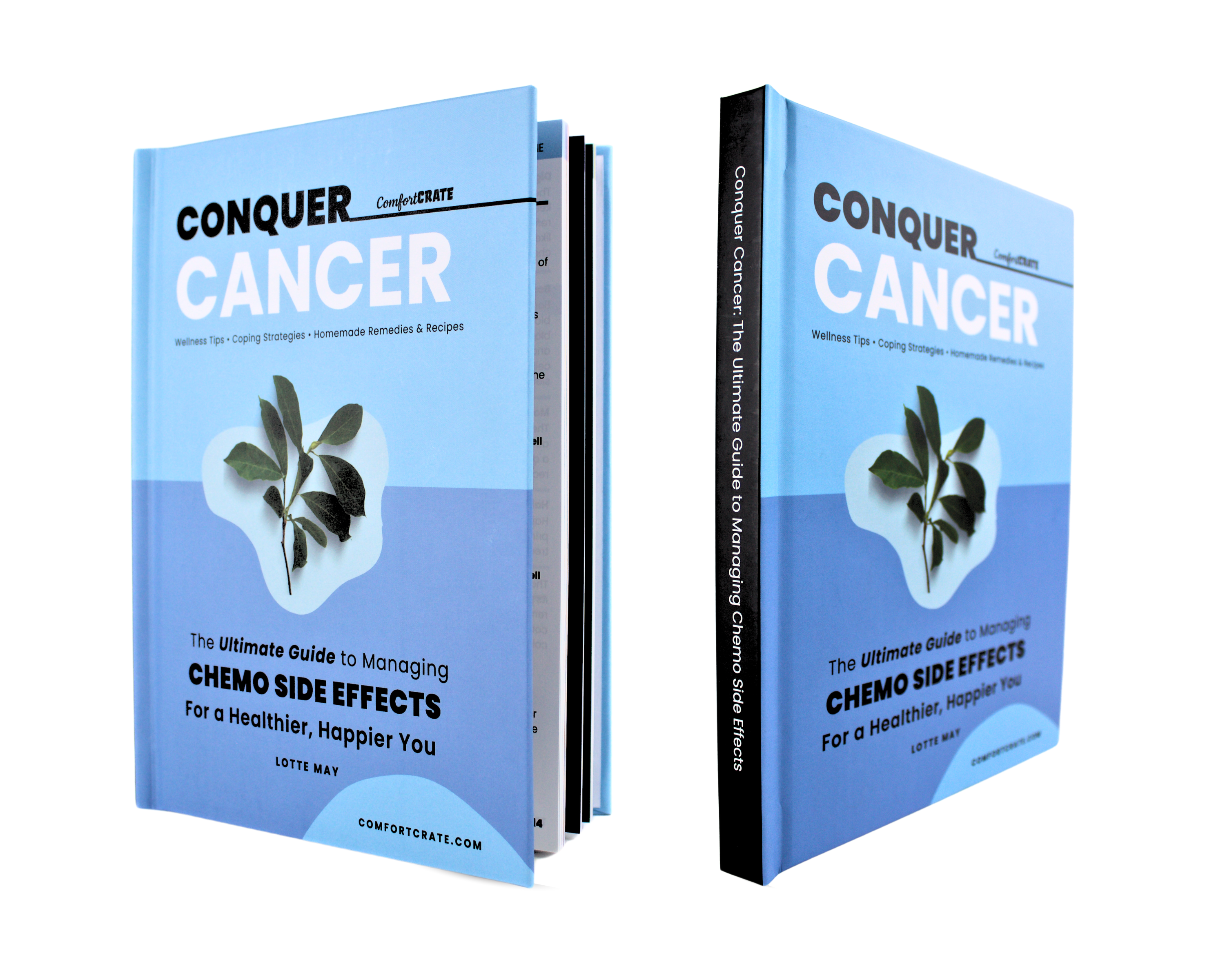
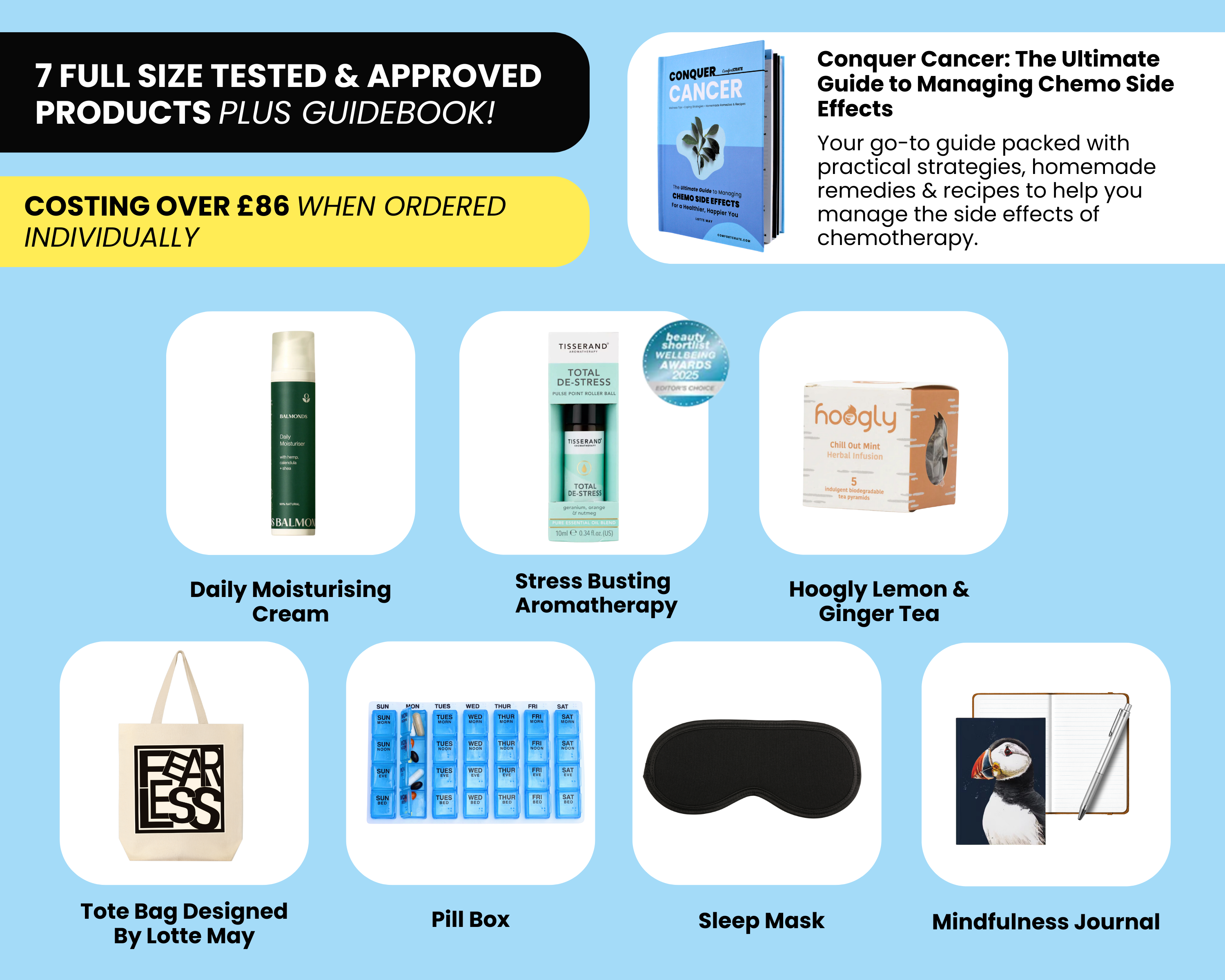
Master Your Side Effects: Navigating swallowing difficulties and nutritional changes is one of the toughest parts of treatment. To access survivor-led recipes, food safety protocols, and a complete roadmap for managing your symptoms, discover The Ultimate Guide to Managing Chemo Side Effects. This guidebook is designed to give you the practical tools you need to stay nourished and comfortable.

Further Reading and UK Support:
-
Macmillan Cancer Support: Eating Problems and Cancer
Practical UK advice on managing swallowing problems. -
NHS England: Swallowing Exercises
Clinical information on the causes of dysphagia and the various treatments and exercises used to help patients recover.
About the Author: Lotte May is a Stage 4B Hodgkin Lymphoma survivor and founder of Comfort Crate. She provides cancer patients with research-backed tools to help manage side effects and maintain quality of life during treatment.
Medical Disclaimer: This information is for support and guidance only. It does not replace the advice of your medical team.








Leave a comment
This site is protected by hCaptcha and the hCaptcha Privacy Policy and Terms of Service apply.