

Oral mucositis treatment & symptoms
Written By Lotte May
Founder of Comfort Crate & Cancer Advocate
What is Mucositis in Cancer Treatment?
Oral mucositis is a common and often painful side effect of chemotherapy and radiotherapy. It occurs when treatment destroys the rapidly dividing epithelial cells that line your gastro-intestinal tract. Because the oral mucosa is so sensitive, the mouth is often the first place these changes appear.
It is estimated that 40% of people receiving chemotherapy develop mucositis, and up to 100% of those receiving head and neck radiotherapy will experience it. Recognising the early symptoms is key to managing the condition and preventing secondary infections.
The Science: The Five Stages of Mucositis
Research identifies five biological stages of mucositis: Initiation, Up-regulation, Signal Amplification, Ulceration, and Healing. During the ulceration phase, the protective barrier of your mouth is lost, which is why it becomes so painful to eat or speak. By following a strict oral care protocol, we aim to shorten the duration of this phase and protect the underlying tissue while it attempts to regenerate during the healing stage.
Recognising Mucositis Symptoms
Monitoring your mouth daily is essential for early intervention. Look out for:
- Red, shiny, or swollen gums and mouth lining.
- Small ulcers or sores on the tongue, gums, or inside of the cheeks.
- Soft white patches or pus (which may indicate a secondary infection like thrush).
- Difficulty swallowing or talking due to pain.
- Increased mucus or thick, stringy saliva.
- A mild burning sensation when eating.
How Long Does Mucositis Last?
Without infection, mucositis is self-limiting and will heal on its own as your blood counts recover. Generally, healing takes 2 to 4 weeks after chemotherapy, or up to 8 weeks following radiation. However, proactive management can significantly reduce the severity of the pain during this window.
Treatment and Management Tips
- The Pre-Treatment Dental Check: See a dentist before starting treatment to clear any existing bacteria that could complicate mouth sores later.
- Strategic Hydration: Increase your fluid intake. While water is best, warm decaffeinated herbal tea can be very soothing. Avoid alcohol and caffeine, which dry out the mucosa.
- Saltwater Rinses: Rinse your mouth gently several times a day with a salt and soda solution (1/2 tsp salt, 1/2 tsp baking soda, 1 cup warm water).
- Cryotherapy: Sucking on ice chips or frozen fruit immediately before and during certain chemo infusions can constrict blood vessels in the mouth, reducing the amount of drug that reaches the oral tissues.
Soft Foods for a Sore Mouth
If you are struggling to eat, focus on moist textures:
- Choose naturally soft foods like yoghurt, jelly, mashed potatoes, and pasta.
- Puree fruits and vegetables to make them easier to swallow.
- Use olive oil, gravies, or sauces to help small bites slide down.
- Allow all hot meals to cool to room temperature before eating to avoid thermal irritation.
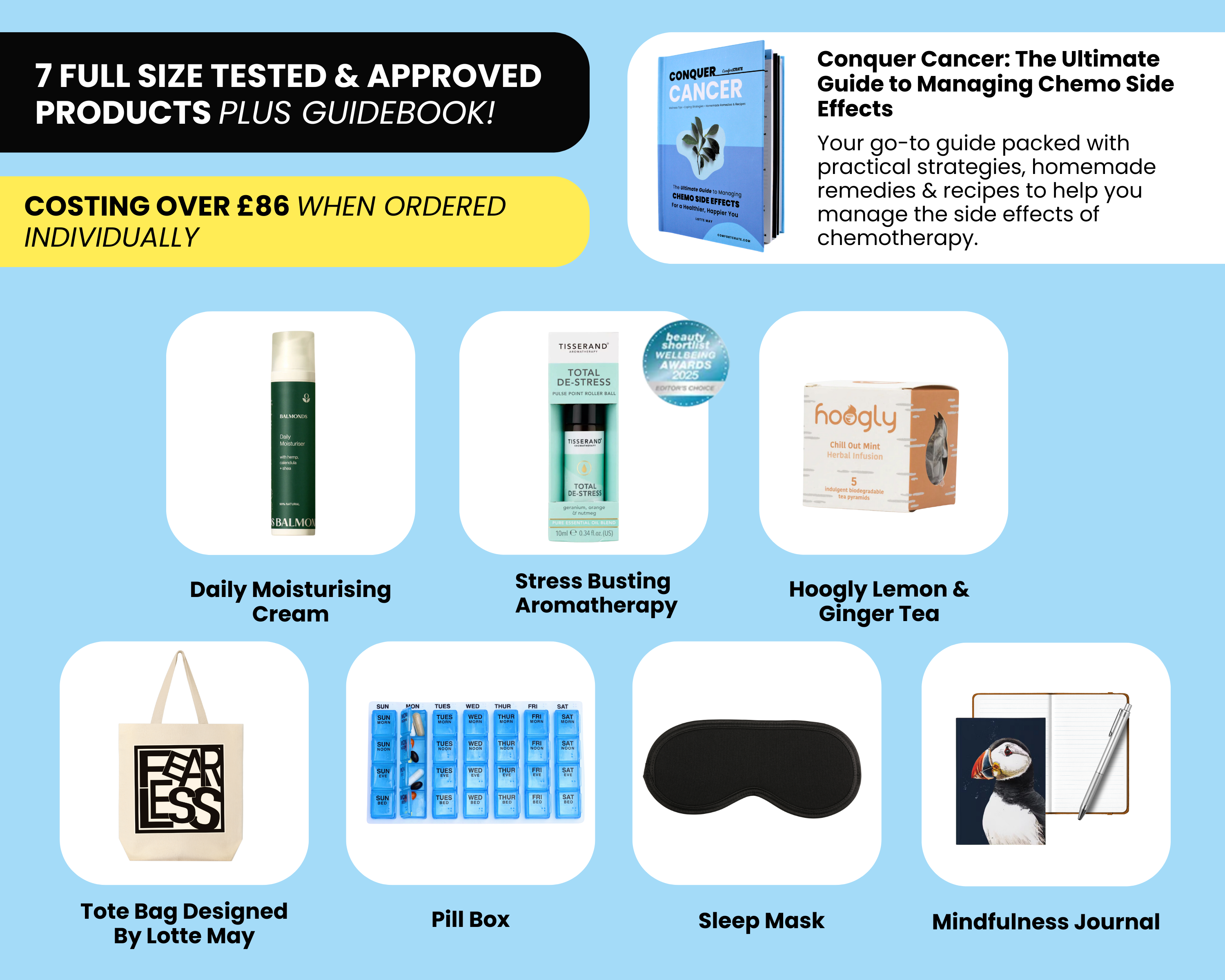
Master Your Side Effects: Managing oral pain is vital for staying nourished during treatment. For survivor-led recipes, oral care protocols, and a comprehensive roadmap for your recovery, discover The Ultimate Guide to Managing Chemo Side Effects. This guidebook was created to help you stay comfortable and in control of your care.

Further Reading and Support:
-
Comfort Crate: How to Cope with Dry Mouth (Xerostomia)
Our companion guide on managing the lack of saliva that often accompanies mucositis. -
Cancer Research UK: Mouth and Throat Problems
Clinical guidance on when to contact your hospital and medical treatments available for severe sores. -
Maggie's Centres: Practical Mouth Care Support
Tips from Maggie’s specialists on managing the emotional and physical impact of oral side effects.
About the Author: Lotte May is a Stage 4B Hodgkin Lymphoma survivor and founder of Comfort Crate. She uses her experience and research background to provide patients with practical, evidence-based tools for managing the physical challenges of cancer treatment.
Medical Disclaimer: This information is for support and guidance only. It does not replace the advice of your medical team.









Leave a comment
This site is protected by hCaptcha and the hCaptcha Privacy Policy and Terms of Service apply.