
Food safety for cancer treatment: Why do I need to be careful?
Written By Lotte May
Founder of Comfort Crate & Cancer Advocate
When you are navigating chemotherapy, your body is working overtime. While treatment targets cancer cells, it can also temporarily weaken your healthy white blood cells produced in the bone marrow. This typically hits its lowest point 7 to 14 days after treatment—a window doctors call the Nadir. During this time, your immune system isn't at full strength to fight off bacteria that the body would usually handle easily.
In this phase, food safety is about protecting your energy and preventing illness. By following strict hygiene standards in your kitchen, you create a safer environment for your recovery.
Managing Food Safety During Cancer Treatment
Think of your kitchen as a sanctuary. To keep it safe, you must be mindful of cross-contamination. Here is how to keep your food handling precise:
- The 20-Second Rule: Always wash your hands with warm, soapy water for at least 20 seconds before and after touching food.
- Defrosting Safely: Never thaw meat at room temperature. Let it defrost in the fridge on a dish to catch any drips, and use it immediately.
- The One and Done Rule: Use different utensils for stirring and tasting. Never put a spoon back into the pot after it has touched your mouth.
- Clean Your Cans: Wash the lids of cans with soap and water before opening them to prevent dust and bacteria from entering the food.
Meat and Produce Safety: Essential Guidelines
During treatment, some high-risk foods are better avoided. Making smart swaps helps keep your system strong.
Safe Meat Preparation
Undercooked meat is dangerous when your immune system is compromised. Use a food thermometer to ensure meat is steaming hot. In the UK, the Food Standards Agency recommends reaching a core temperature of 70°C for at least two minutes, or 75°C briefly.
Store raw meat sealed on the bottom shelf of the fridge, physically separated from ready-to-eat snacks, to prevent drips and contamination.
Protecting Your Produce
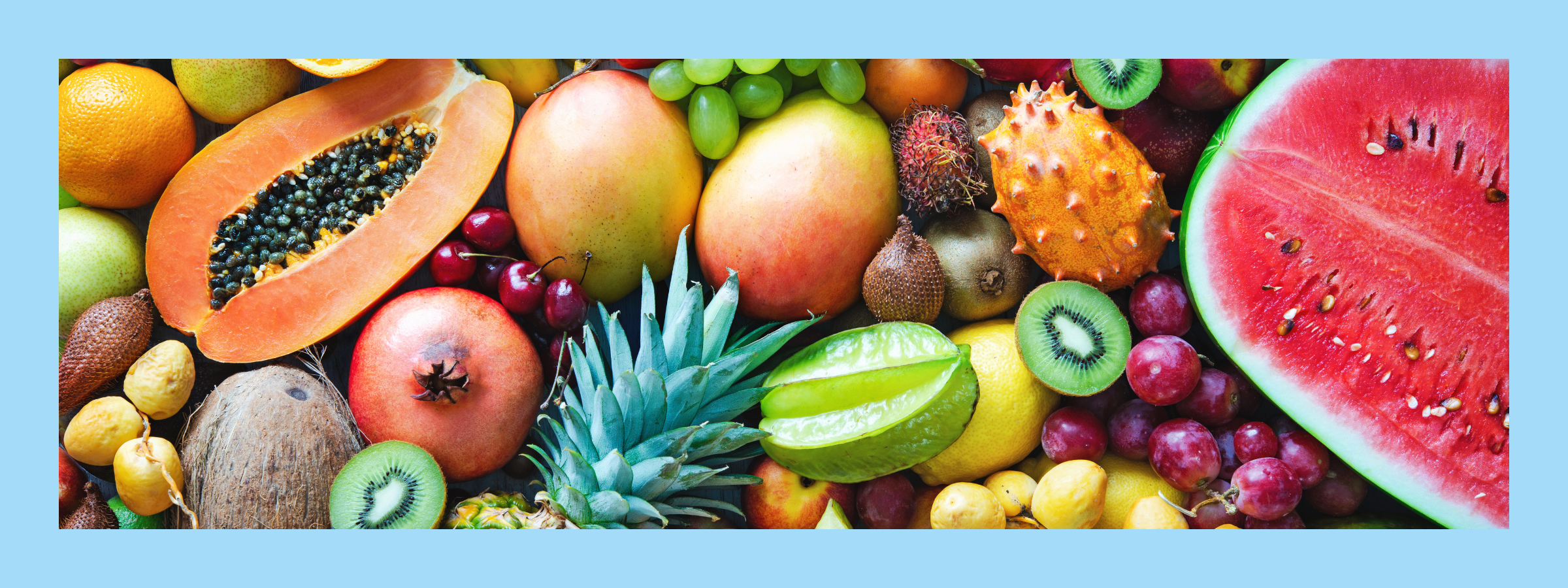
- Avoid Pre-Cut Fruit: Pre-sliced melons or cabbages have a higher risk of carrying bacteria. Buy them whole and wash them yourself.
- Scrub the Skins: Even if you aren't eating the rind (like on a melon or potato), scrub it under running water first so your knife doesn't carry bacteria from the surface to the inside.
- Skip the Sprouts: Raw vegetable sprouts, such as alfalfa or bean sprouts, are prone to bacteria and should be avoided until your immune system recovers.
Smart Food Shopping and Low Immunity
Grocery shopping can feel overwhelming when you are fatigued. Use these safety filters to make quick decisions:
- Check the Dates: Always pick the freshest products. If a product is near its sell-by date, leave it on the shelf.
- Inspect Packaging: Avoid deeply dented, rusted, or swollen cans. If a seal looks compromised, do not buy it.
- Skip the Self-Serve: Salad bars, bulk bins, and soft-serve ice cream machines are high-traffic areas for germs. Opt for packaged, sealed versions instead.
- The Temperature Rule: Get your chilled items last and head straight home. Never leave groceries in a warm car.
Dining Out and Managing Leftovers
You can still enjoy meals out, but being your own advocate is key. Ask for pasteurised juices and avoid freshly squeezed options that haven't been heat-treated. When it comes to leftovers, ask for a container and pack the food yourself to ensure it is handled with care.
Further Reading and Support
- Full Guide on Chemo Home Safety – Learn more ways to stay safe and comfortable during treatment.
- NHS Bristol: Food Safety & Cancer – A simple guide on diet and safety during treatment.
- NHS Sussex: Low Immunity Diet – Comprehensive food safety for chemotherapy and immunotherapy patients.
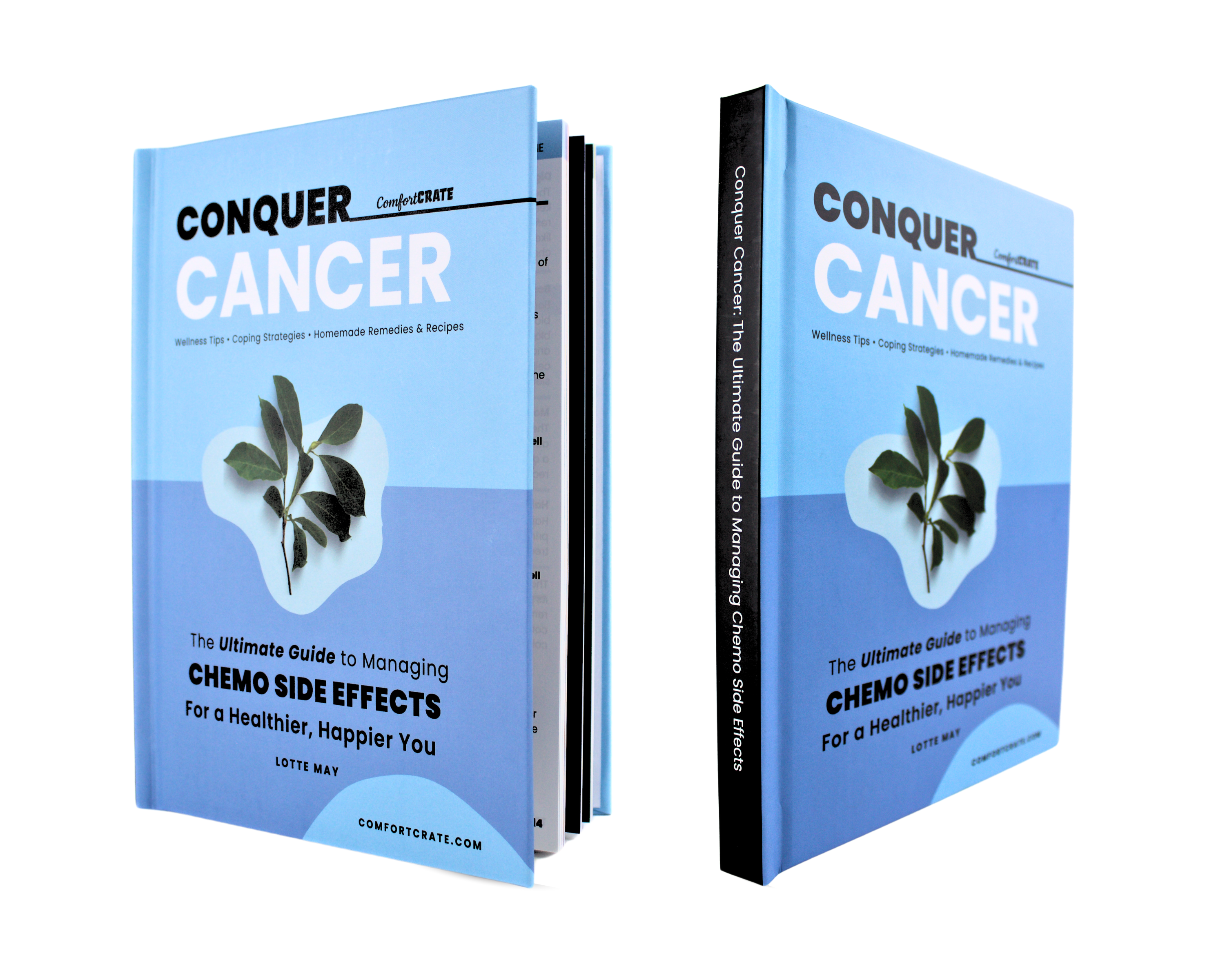
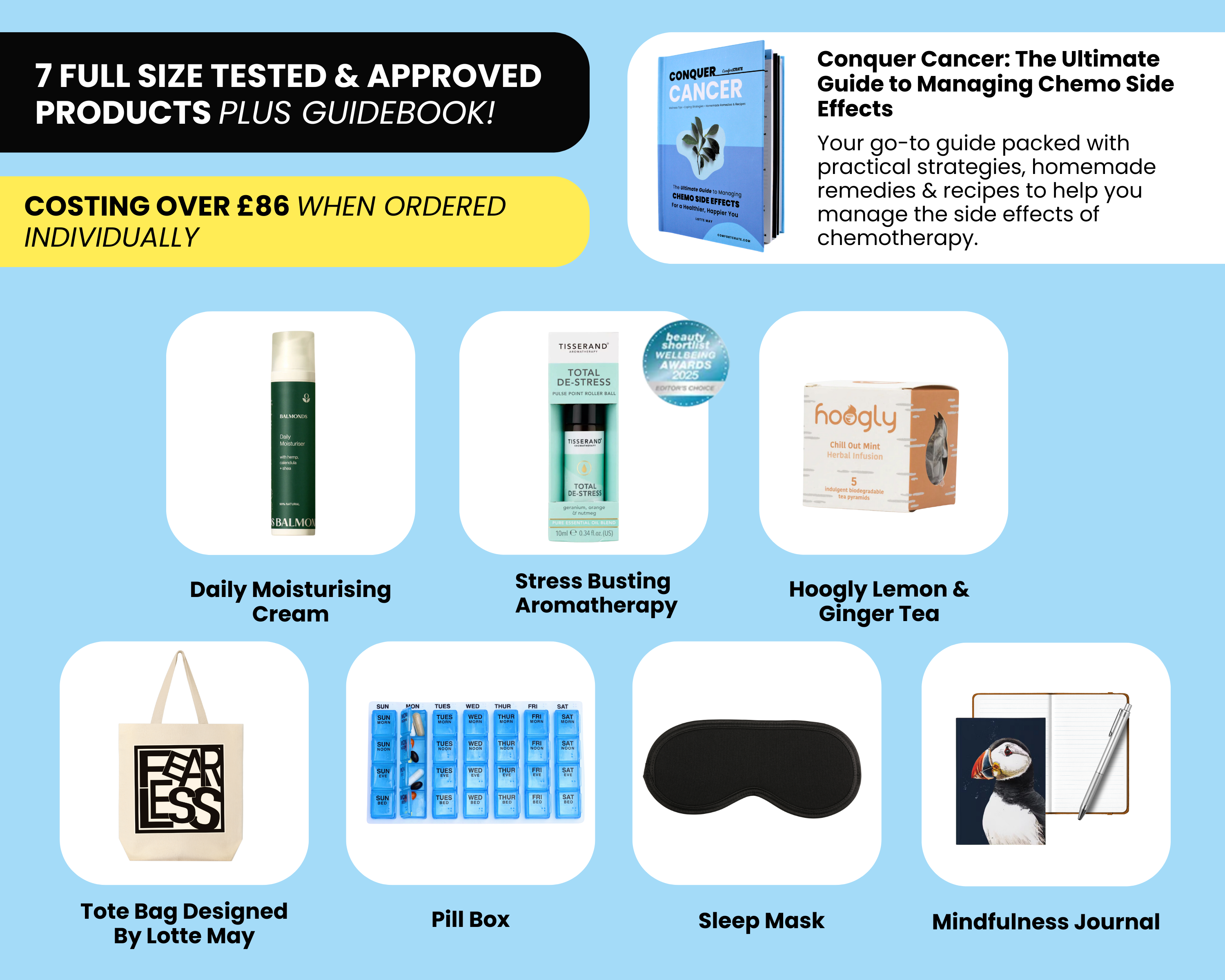
Find more info and easy to make recipes for chemotherapy patients in our Chemo Guide Book.

About the Author: Lotte May is a Stage 4B Hodgkin Lymphoma survivor and founder of Comfort Crate. She focuses on providing practical research and management tools for chemotherapy side effects. Read more about her mission.
Medical Disclaimer: This information is for support and guidance only. It does not replace the advice of your medical team.






Leave a comment
This site is protected by hCaptcha and the hCaptcha Privacy Policy and Terms of Service apply.