
The Side effects of cancer treatment on the skin | Beginners Guide
Written By Lotte May
Founder of Comfort Crate & Cancer Advocate
Why Does Cancer Treatment Cause Skin Changes?
When cancer is treated with chemotherapy and immunotherapy, it is challenging for the drugs to distinguish between cancerous or normal cells. This means normal cells are damaged along with cancer cells, leading to side effects. Each time chemo is administered, your medical team is trying to find a balance between killing cancer cells (to cure or control the disease) and sparing normal cells to lessen these physical side effects.
Similarly, radiotherapy damages both healthy and cancerous cells by using radiation beams through the skin. If you receive frequent radiation treatments, your skin cells may not have enough time to repair and regenerate between sessions. The exposed skin may peel off faster than it can grow back, resulting in sores and, in rare cases, ulcers.
The Science of Cytotoxicity
Many skin changes are a result of cytotoxicity, where the treatment is toxic to the rapidly dividing cells of the epidermis. You may experience erythema (redness) because the blood vessels near the skin's surface dilate in response to this cellular stress. By understanding these risks, you can reduce the risk of infections and prepare yourself for any changes that arise.
Preparing for Your Doctor's Appointment
Prepare for your next appointment by considering these specific questions for your oncology team:
- What skin-related side effects are common for the type of treatment I’m receiving?
- Are there steps I can take to prevent any of these problems?
- What problems should I call you about immediately? Are there any that need urgent medical care?
- When might these problems start, and how long might they last?
- What brands of soap and lotion would you advise me to use on my skin?
- Are there skin products I should strictly avoid?
Skin Rash and Cancer Treatment
Skin rashes are an expected and common side effect of chemotherapy, radiation, immunotherapy, targeted therapy, and stem cell transplants. It is important to know that a chemo rash is usually a reaction to the medication rather than a traditional allergy. However, if you develop a sudden rash, contact your care team immediately to rule out an allergic reaction.
These rashes often appear on the scalp, face, neck, chest, and upper back. While they can develop anywhere on the body at any point, they are typically most prevalent within the first few weeks of treatment and usually improve once the treatment cycle is completed.
What are the effects of cancer treatment on the skin?
- Chemotherapy: Can make the skin more sensitive to sunlight (photosensitivity), increasing sunburn risk. It can also cause dry, rough, itchy, or red skin, along with peeling, cracks, sores, or rashes (known as chemo rash).
- Radiotherapy: Symptoms often mimic a sunburn, including redness, soreness, and itchiness. Skin may become darker than usual, usually beginning one to two weeks after treatment starts. Later on, you may develop broken veins.
- Stem Cell Transplant: May cause Graft versus Host Disease (GvHD), resulting in skin problems such as a rash, blisters, or a noticeable thickening of the skin.
- Immunotherapy: Can cause a severe and sometimes extensive rash, which can become dry or develop blisters.
- Targeted Therapy: Usually appears as pimples and pus-filled bumps within a few days; the surrounding skin can feel slightly tender. Rashes are usually mild to moderate in severity.
- Steroids: May lead to localised spots and redness of the skin.
Treatment for Chemo Rash and Other Skin Changes
Several treatments are available depending on the severity of the reaction. For mild to moderate rashes, a corticosteroid cream along with an oral antibiotic or antibiotic cream may be prescribed. If the rash is more severe, oral corticosteroids may be administered, and your treatment regimen may be adjusted accordingly.
Symptoms of Skin Changes
It is vital to detect these symptoms early to stop the problem and decrease infection risk. If you develop open sores, clean them with mild soap and water, cover them with a clean bandage, and check regularly for signs of infection (redness, swelling, or pus). Monitor your body for:
- Redness and Swelling
- Pain, Tenderness, or Burning
- Blisters, Wet Sores, or Peeling skin
- Acne or Bed sores
- Dry skin or Itchy skin
- Darker or Lighter patches of skin (including on the tongue and joints)
- Photosensitivity (Sunburn) or Rash
Notify your care team if: Your rash worsens after prescribed creams, itching lasts more than 48 hours, or the rash becomes bright red, develops pus, or crusts over.
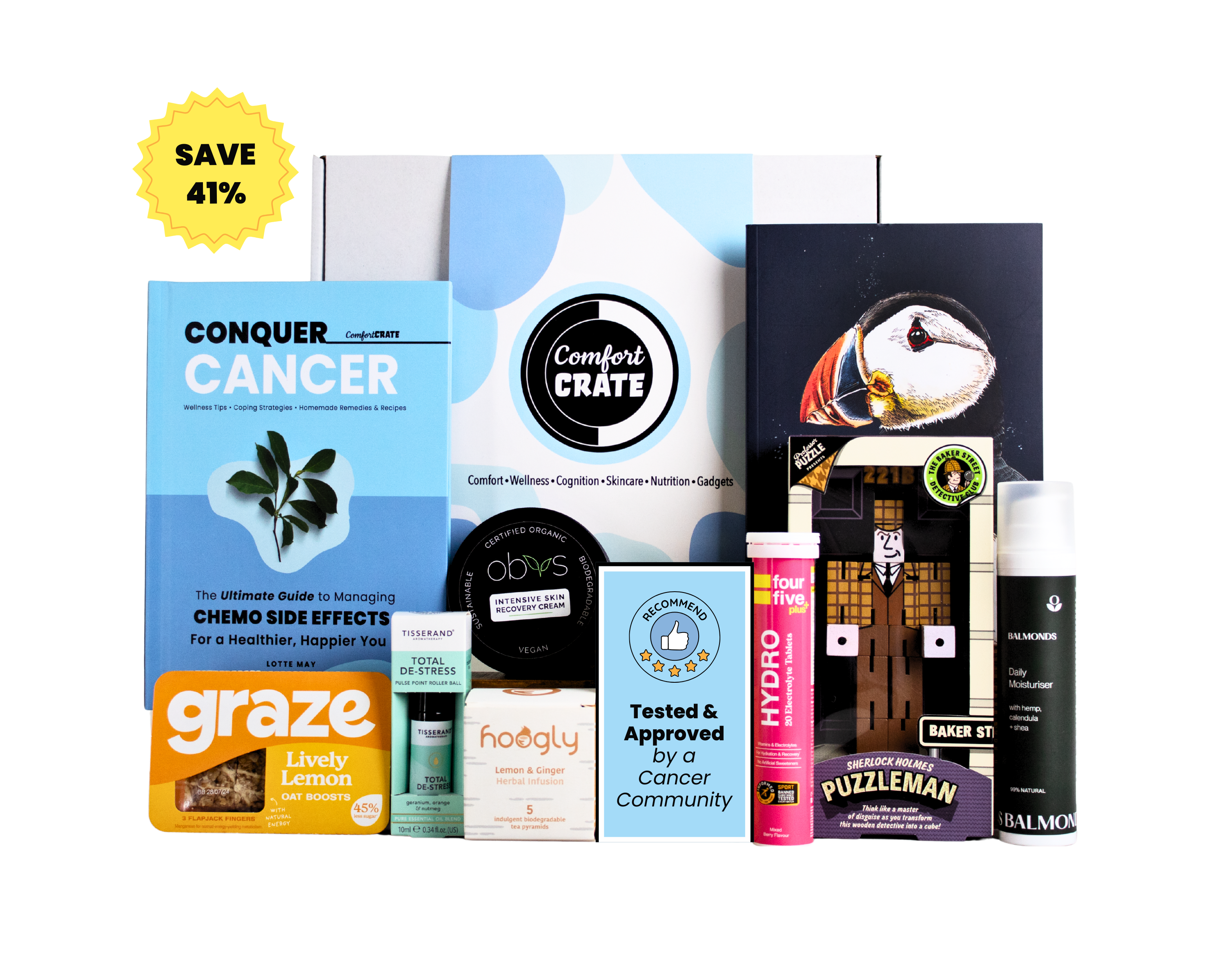
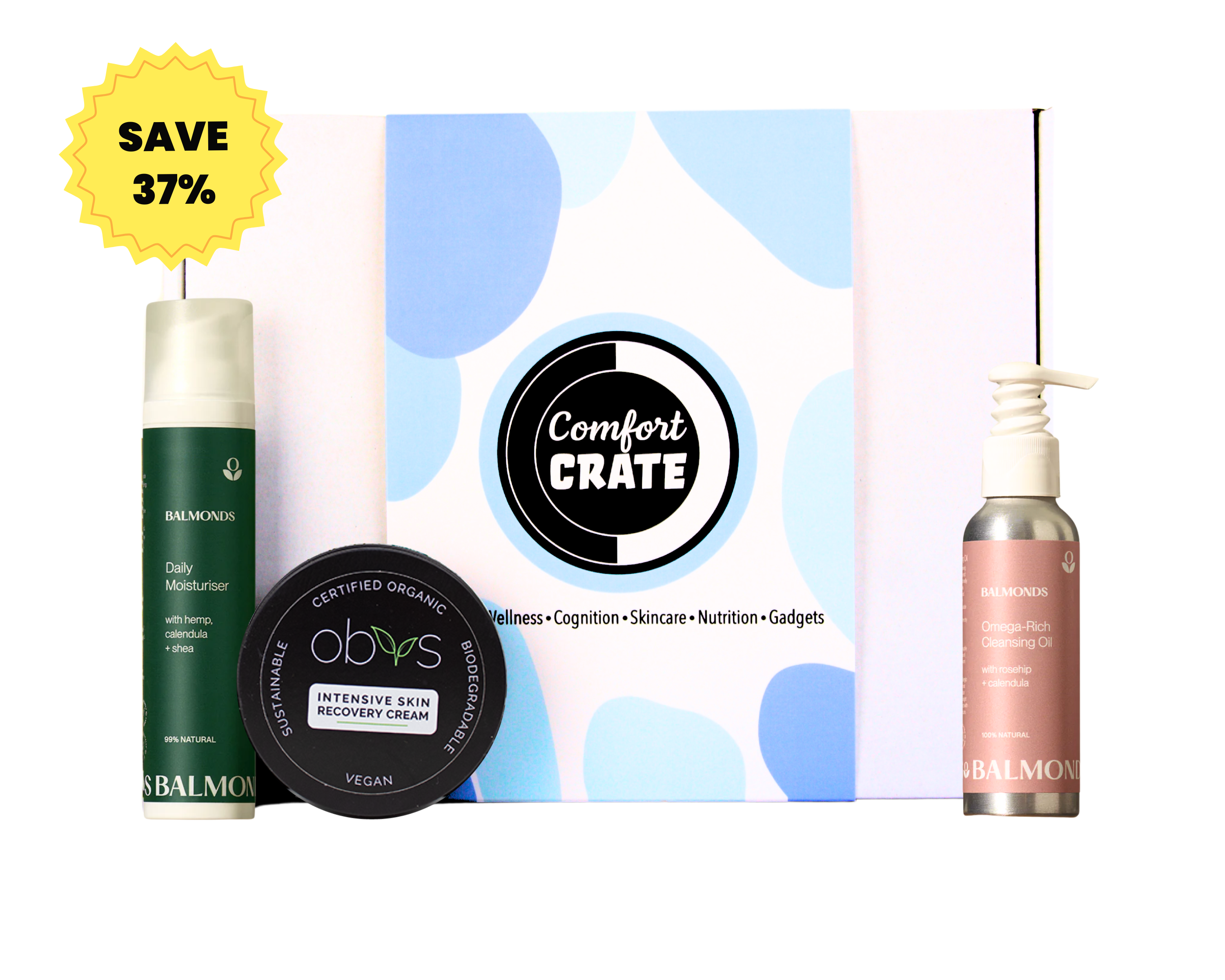
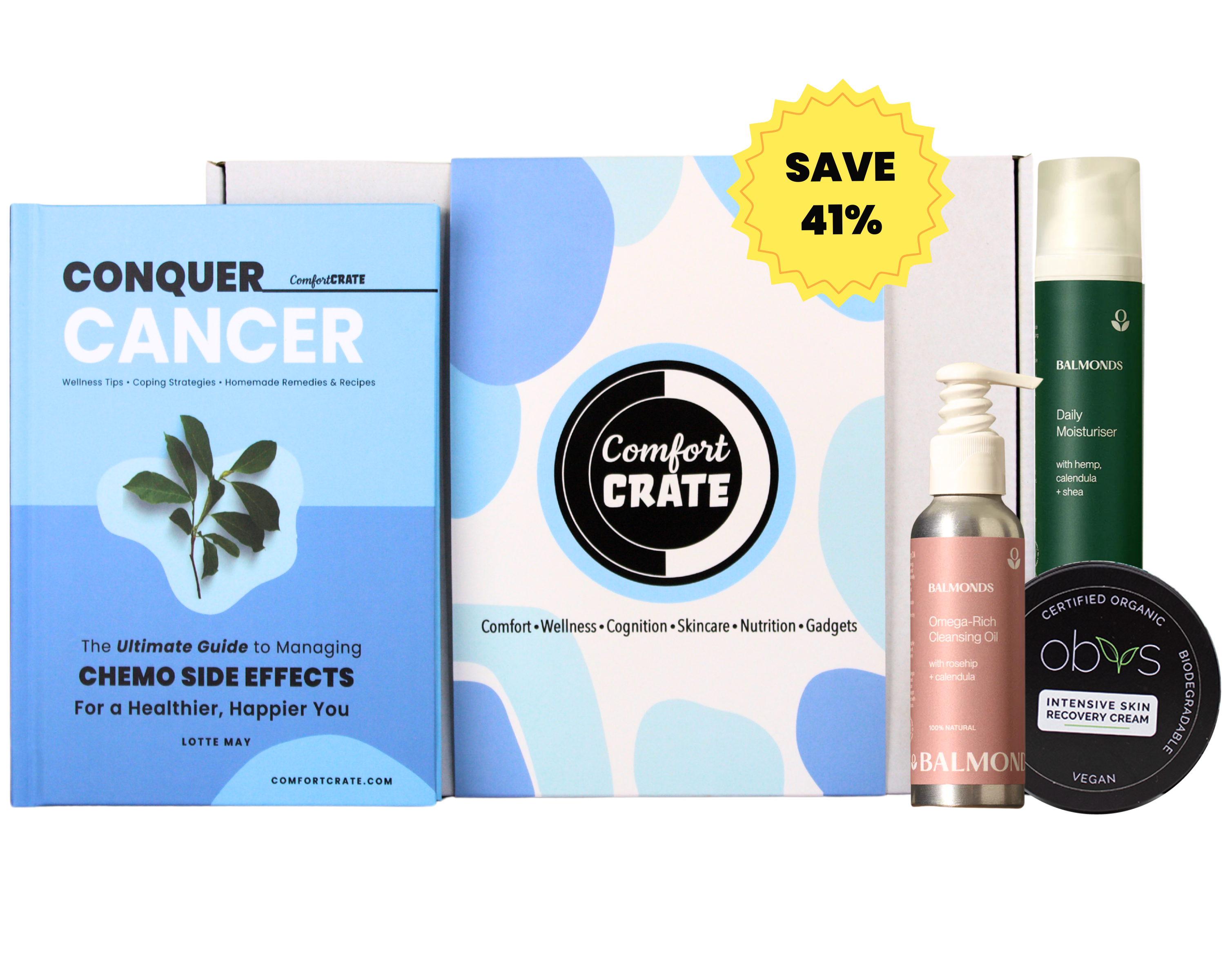
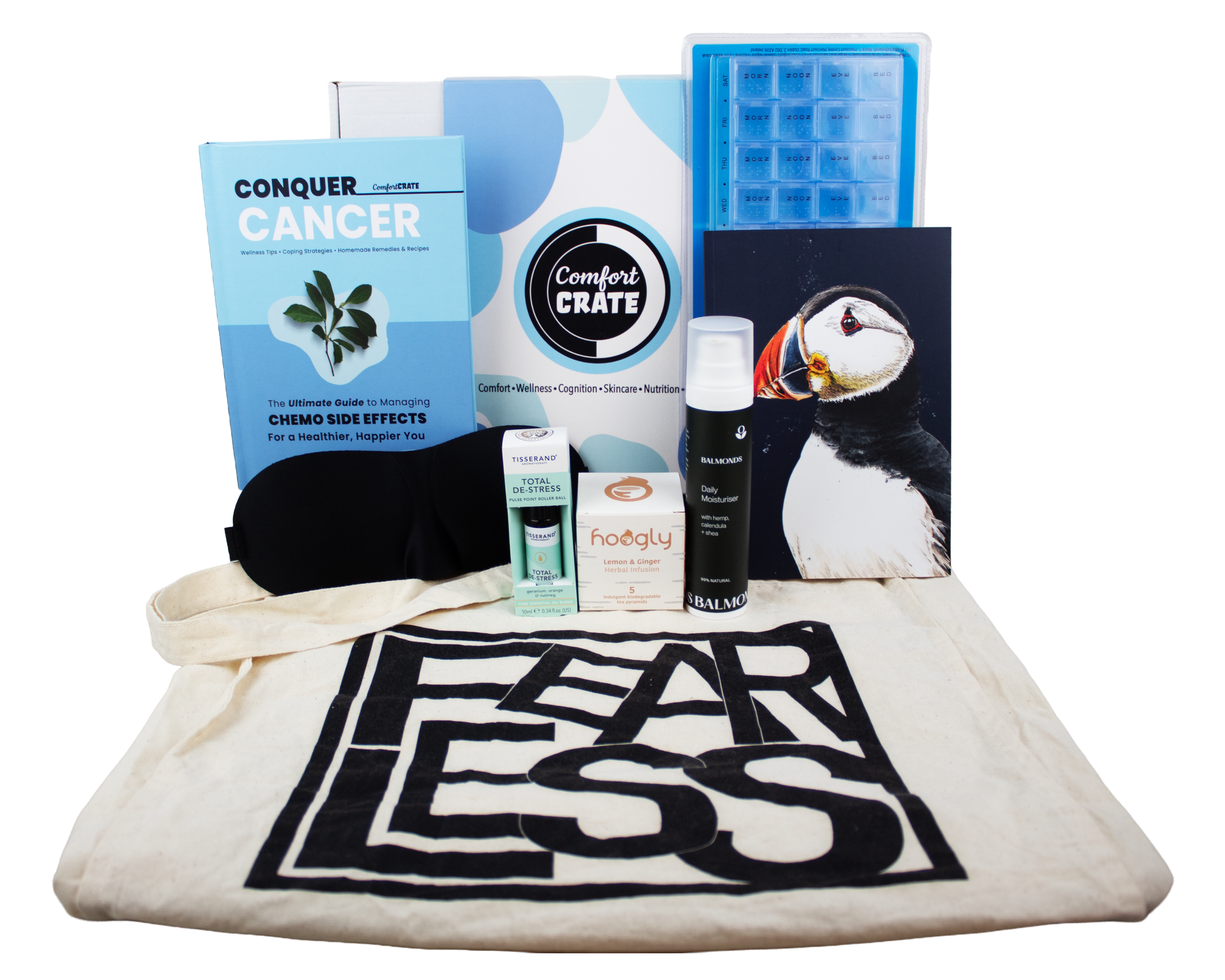
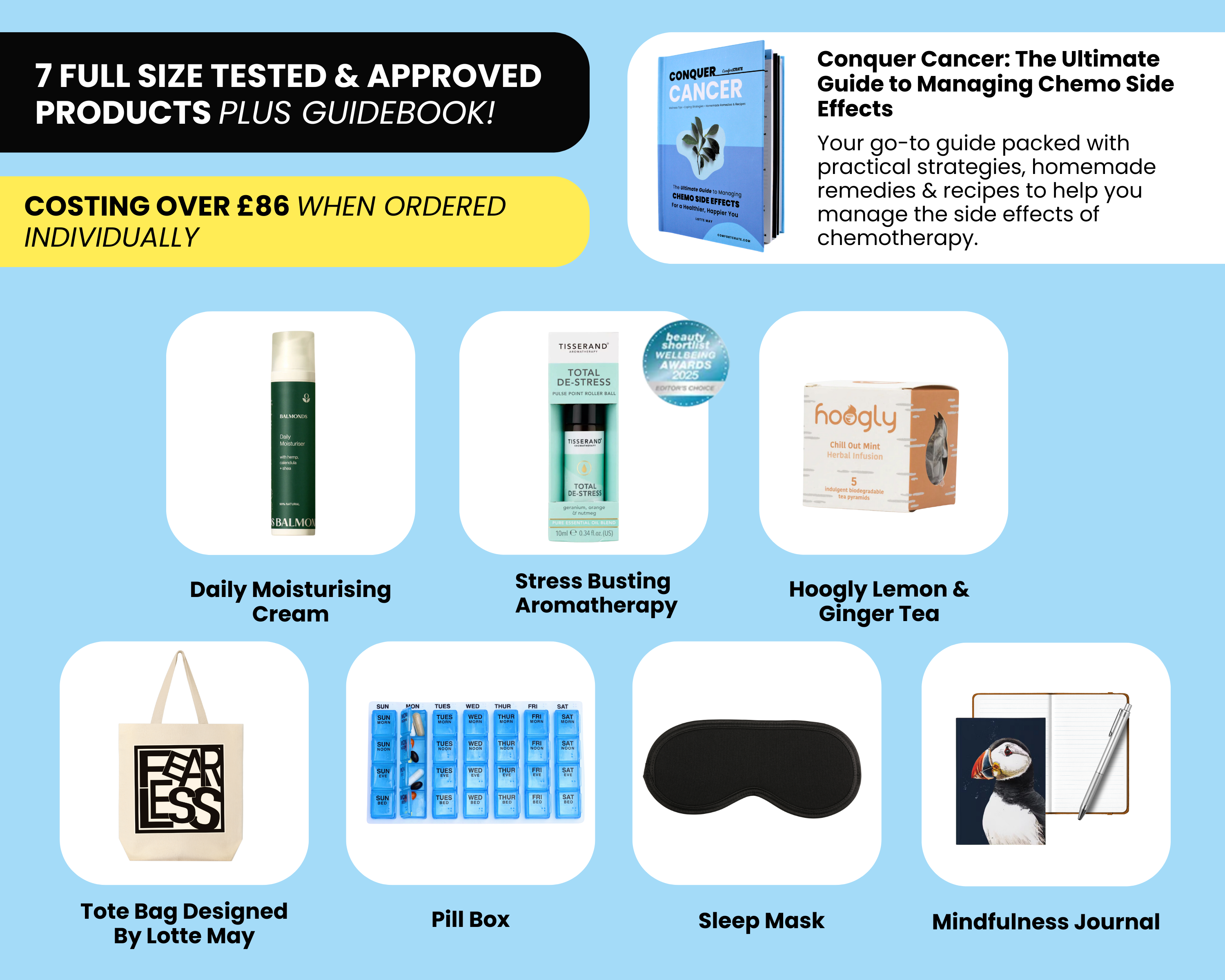
Find more guidance on how to care for your skin chemotherapy, we've included a dedicated skincare section in our Chemo Side Effect Guidebook alongside the chemo essential skincare kit.

Further Reading & Support
Navigating skincare during treatment can be confusing, but you don't have to do it alone. For more expert-led advice on managing skin changes, I highly recommend these resources:
- Balmonds Chemo Skin Guide & Products – Find chemo safe skincare products, tried and tested by the Comfort Crate cancer community.
-
Skincare & Cancer Treatment – Learn more about how to manage chemo rashes and itching.
- The Comfort Crate Side Effect Guide – Explore my full directory for more tips on managing skin, hair, and nail changes.
About the Author: Lotte May is a stage 4B Hodgkin Lymphoma survivor and founder of Comfort Crate. She uses her background to research to provide patients with practical evidence-based tools for side effect management. Read more about her mission.
Medical Disclaimer: This information is for support and guidance only. It does not replace the advice of your medical team.



Leave a comment
This site is protected by hCaptcha and the hCaptcha Privacy Policy and Terms of Service apply.