

Self-Care During Cancer: A Guide for Chemotherapy Recovery
Written By Lotte May
Founder of Comfort Crate & Cancer Advocate
What is self care?
As the name suggests, self care is the proactive process of taking care of your own health through intentional, loving actions. It's about maintaining the basics: good hygiene, eating well, and staying active. But it is also so much more! In the whirlwind of a cancer diagnosis, self care is the anchor that keeps you grounded when emotions like anxiety and uncertainty swirl around you like a hurricane.
Why is self care important for health and wellbeing?
When we are physically and emotionally exhausted, we are less equipped to handle the emotional storm that cancer treatment can bring. However, when we prioritise our wellbeing, we discover a true power of inner courage and resilience.
By weaving self-care into your daily routine, you aren't just pampering yourself; you are resetting your system to a point where you feel more capable and empowered. This is especially vital during chemotherapy, where the challenge lies in managing the collateral damage to your healthy cells while the treatment targets the outlaws of your cellular world.
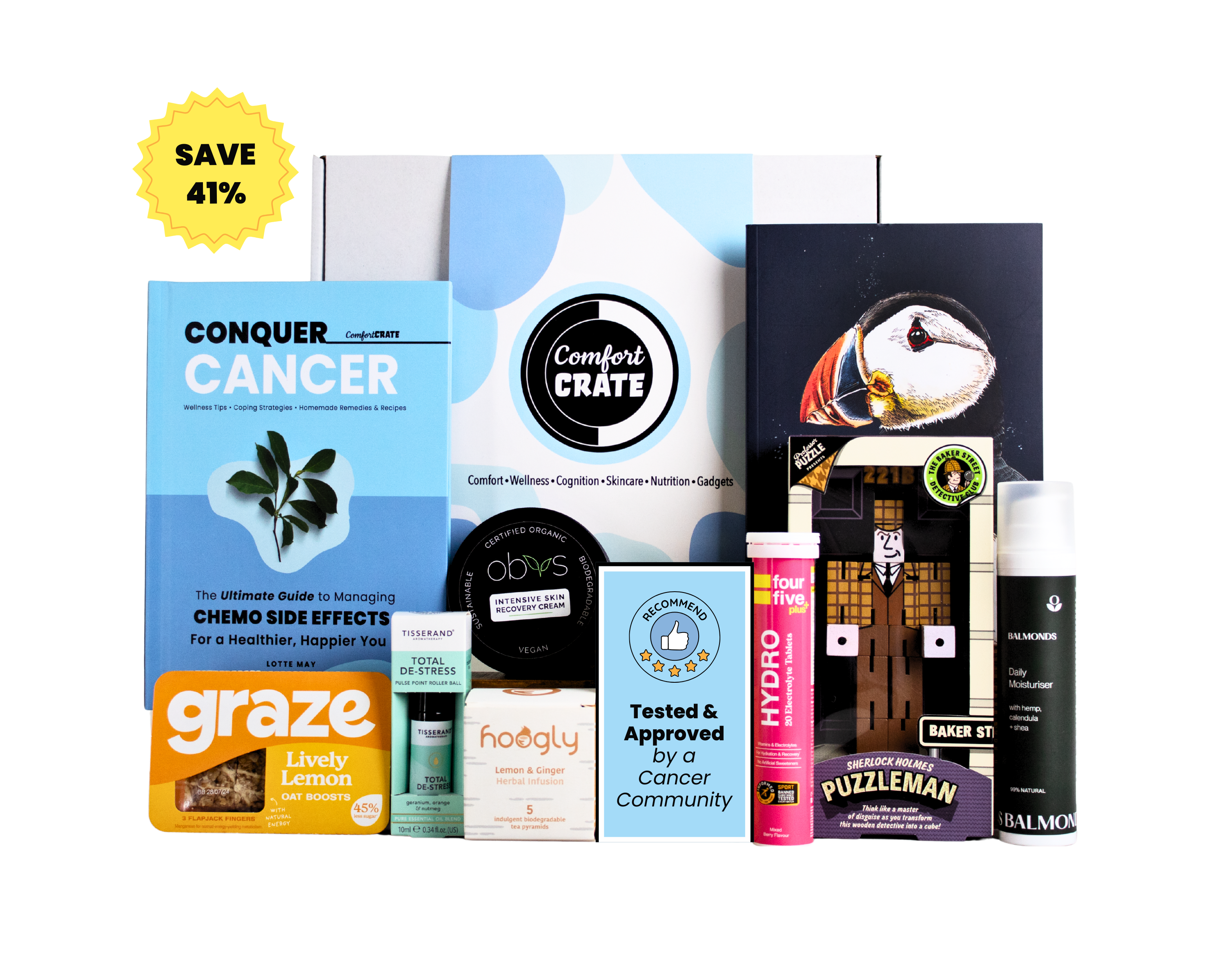
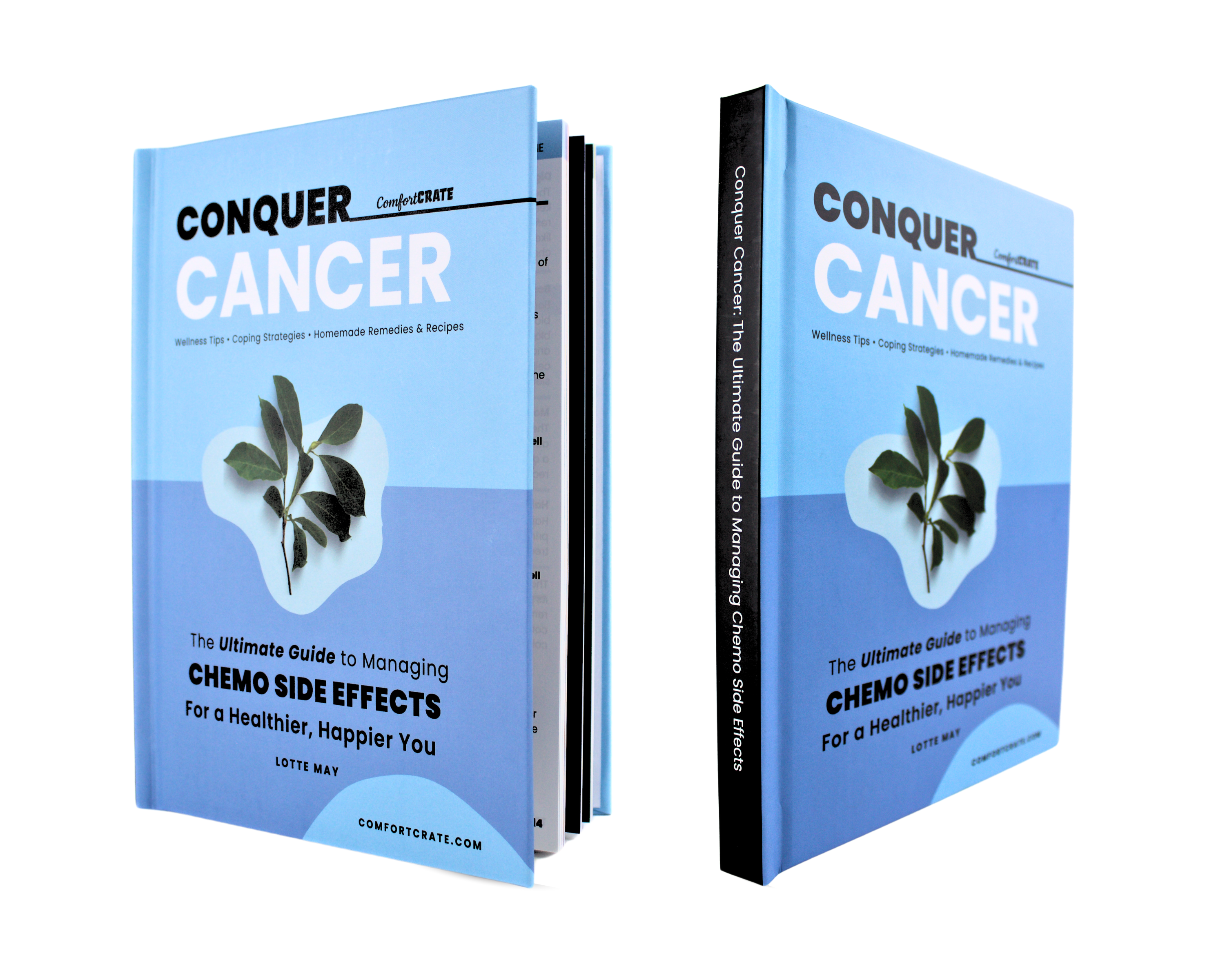
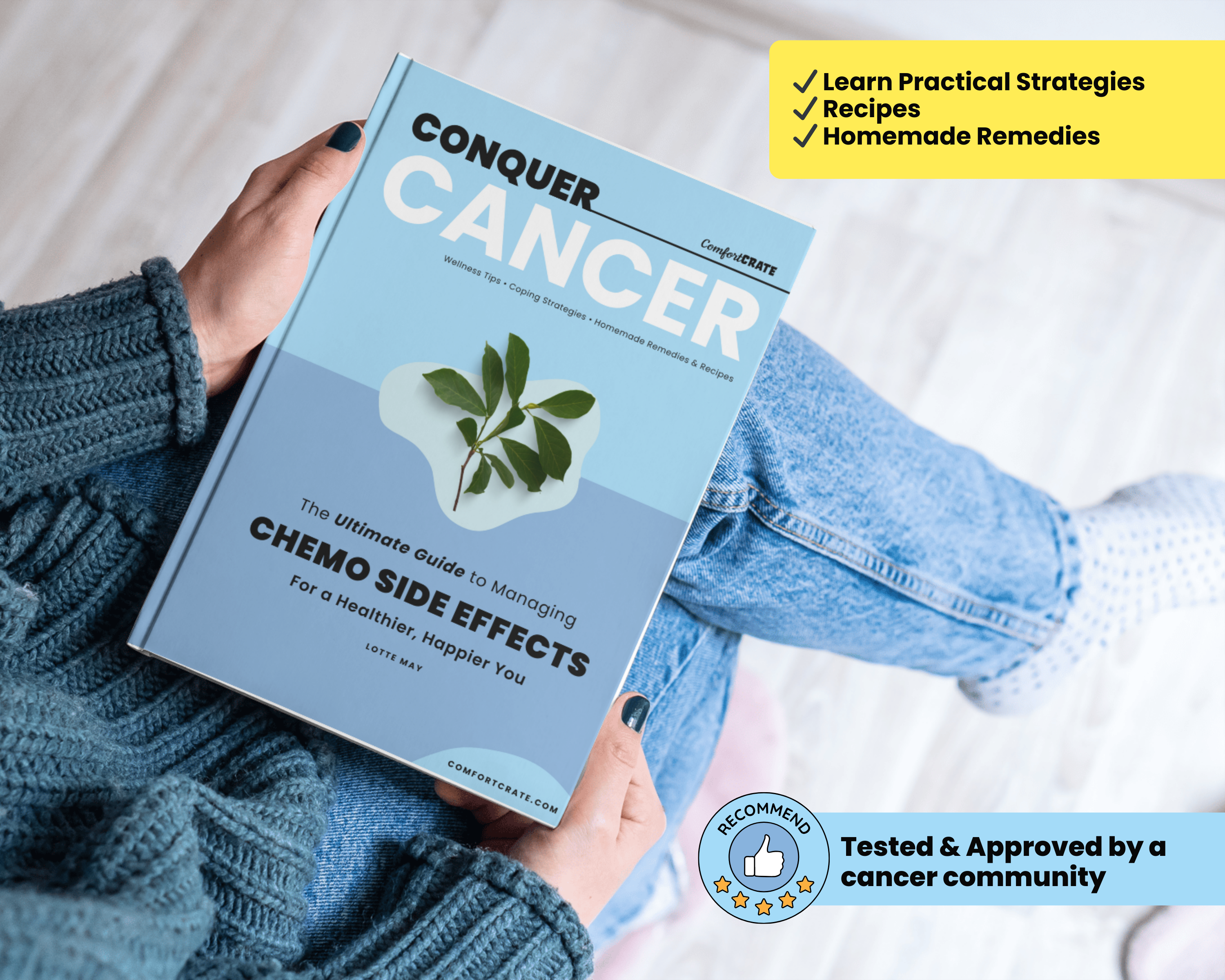
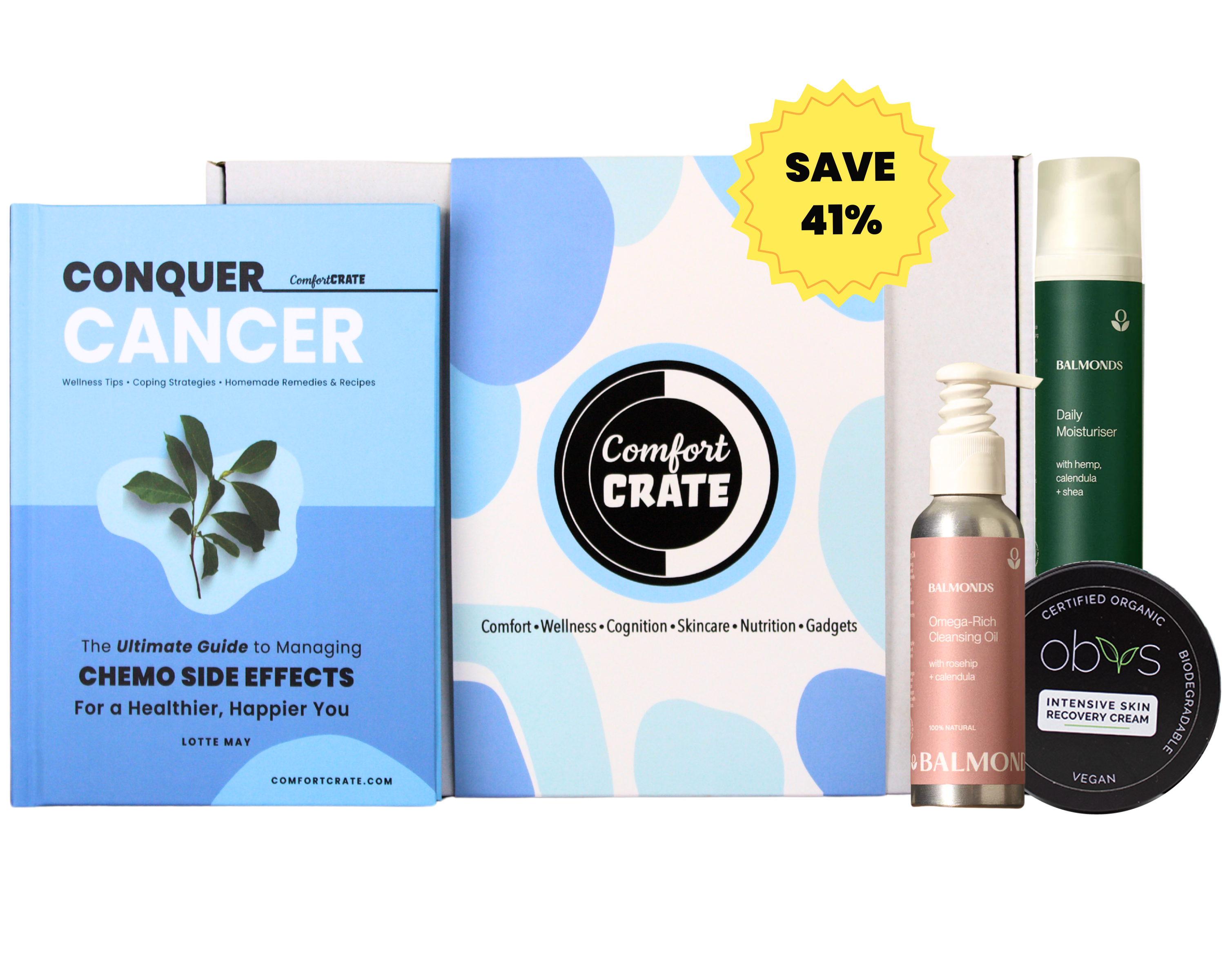
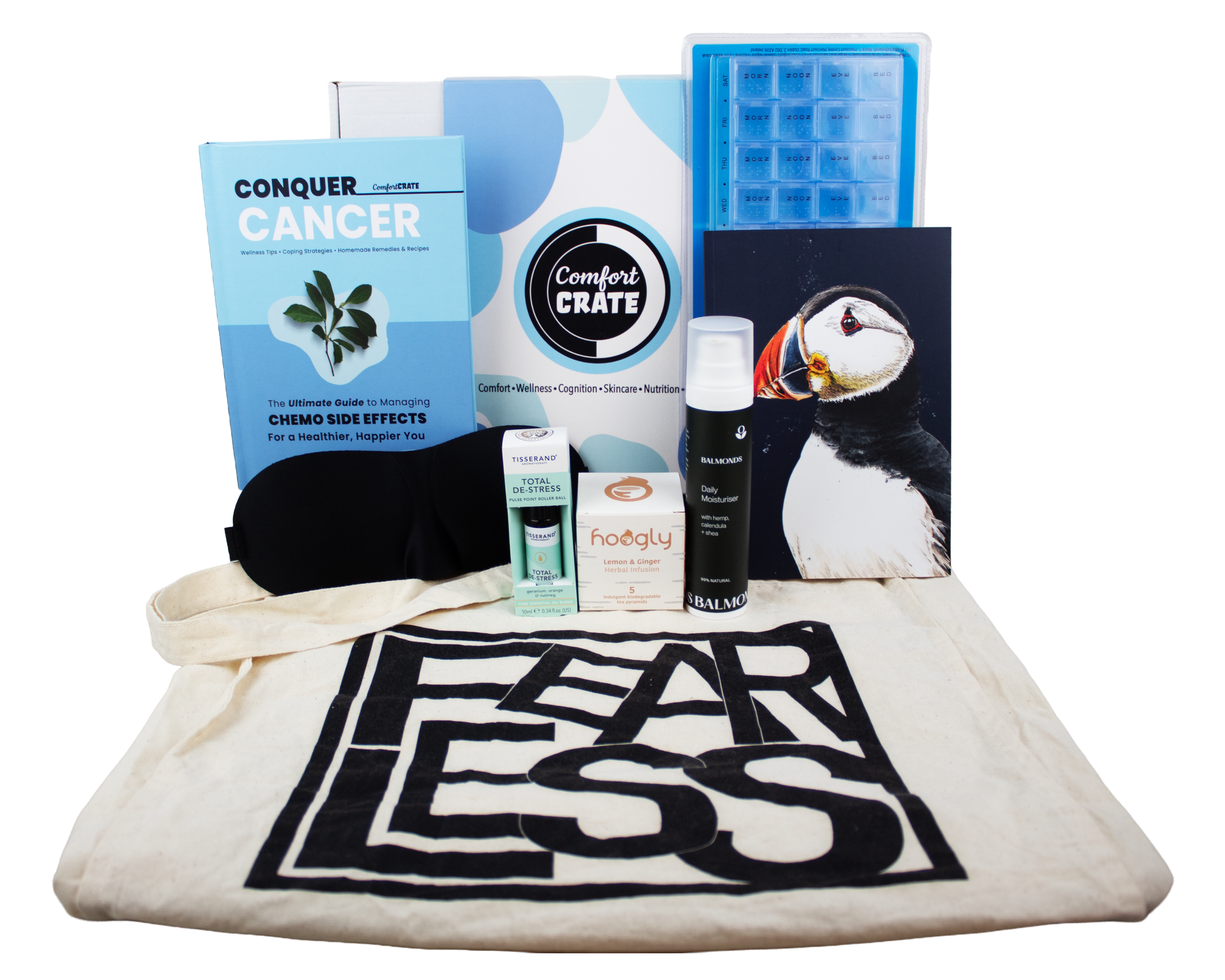
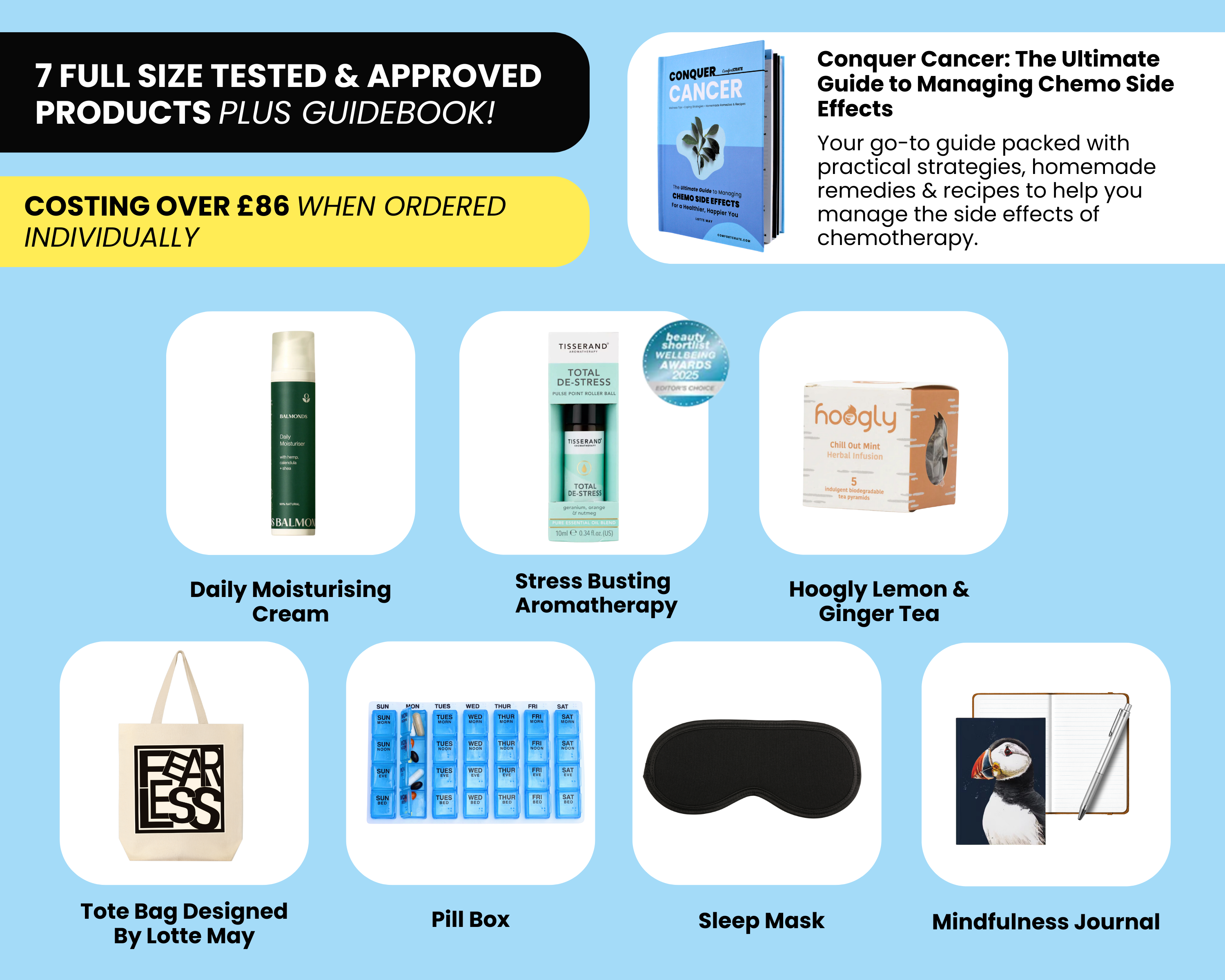
For a full guide on self care for chemotherapy read Lotte May's Ultimate Guide to Managing Chemo Side Effects for a Healthier, Happier You.

Managing Chemotherapy side effects through self-care
Chemotherapy works like a precision missile aimed at destroying rapidly dividing cancer cells. Yet, there's a twist: while it is busy zapping those rogue cells, it can also hit the good guys, your healthy, rapidly growing cells. This collateral damage leads to a variety of physical and mental side effects.
While medical professionals provide essential guidance, they often have limited resources and time to address the everyday challenges of living with these side effects. Becoming an expert in your own side-effect management helps you navigate the hurdles and live life a little more comfortably.
Taking good care of yourself creates a happiness hormone boost. When you prioritise joy and relaxation through gentle exercises or self-care, you release endorphins. These natural happiness hormones act as mood elevators and natural painkillers, helping to reduce the intensity of side effects like nausea and chemo brain that often feel overwhelming when stress levels are high.
Common Symptoms Caused by Stress and Anxiety
Stress isn't just in your head; it’s a full-body experience that can affect virtually every system, including the cardiovascular, nervous, and respiratory systems. The uncertainty and physical toll of treatment can invite unwelcome emotions, making an already difficult journey feel even more daunting.
When your mind is at ease, it can positively influence your body's response to treatment. Without a dedicated self-care strategy, stress can exacerbate several key symptoms:
1. Cognitive Changes (Chemo Brain)
Stress can affect the neural circuits that control cognition, decision making, anxiety, and mood, and that can affect how those behaviours are expressed.
2. Nausea
Stress and anxiety can affect virtually every body system. In the digestive system, stress can cause: nausea, vomiting, heartburn, acid reflux, stomachache, gas, bloating, diarrhoea, constipation and painful spasms in the bowel.
3. Insomnia
A high level of stress impairs sleep as it delays the time it takes to fall asleep and fragments the amount of sleep. Sleep loss also triggers our body's response system, which in turn leads to an increase in stress hormones, such as cortisol.
5. Fatigue
In addition to making our hearts work harder, stress also negatively affects our immune system, resulting in fatigue.
6. Immune System
Stress creates a hormone in your body called cortisol. Cortisol can suppress your immune system's effectiveness in fighting off invaders by lowering the number of lymphocytes present in the blood and interfering with normal white blood cell communication.
Benefits of self care
- Improvement on your physical health
- Reduces stress & anxiety
- Boosts self-esteem
- Protects your mental health
- Can lead to better relationships
Self care routine
5 Mins | The Quick Refresh
- Deep Breathing: Calm your nervous system and prepare for the day ahead.
- Gentle Stretching: Connect with your body and release physical tension.
- Music Therapy: Let a favourite song lift your mood instantly.
15 Mins | The Mindful Reset
- Meditation: Find a moment of stillness amidst the chaos.
- Read for Escape: Dive into a book to give your mind a restorative break.
- Journaling: Jot down your thoughts to process the emotional ups and downs of the journey.
30 Mins | The Restoration
- A Refreshing Walk: Connect with the world outside and boost those feel good endorphins.
- Creative Expressions: Engage in a creative activity to regain a sense of control and fulfilment.
- Nourishing Cooking: Try a new, nutrient packed recipe to support your body's recovery.
Learn more ways on how to de-stress with our stress relief guides
About the Author: Lotte May is a Stage 4B Hodgkin Lymphoma survivor and the founder of Comfort Crate. She has dedicated her life to researching practical chemotherapy side effect management. Read more about her mission to support cancer patients.
Further Reading and Support:
• Macmillan Cancer Support
• National Cancer Institute
Medical Disclaimer: This information is for support and guidance only. It does not replace the advice of your medical team.



Leave a comment
This site is protected by hCaptcha and the hCaptcha Privacy Policy and Terms of Service apply.