

What you need to know about chemo side effects
Written By Lotte May
Founder of Comfort Crate & Cancer Advocate
Why does chemo make you sick?
Despite being a key part of cancer treatment, Chemotherapy can have a wide range of side effects that can affect cancer patients before as well as after treatment. Because chemotherapy kills both normal and cancer cells, side effects can range from mild and easily treated to severe. The severity of side effects varies from person to person and depends on the type of chemotherapy drug being used. Understanding these effects can help patients better navigate their treatment journey.
Common Side Effects of Chemotherapy
You should discuss possible side effects with your cancer care team to be better prepared. Common side effects of chemotherapy include:
- Fatigue
- Hair loss
- Easy bruising and bleeding
- Infection
- Anaemia (low red blood cell counts)
- Nausea and vomiting
- Appetite changes
- Constipation/Diarrhoea
- Mouth, tongue, and throat problems
- Peripheral neuropathy
- Skin and nail changes
- Urine/bladder changes and kidney problems
- Weight changes
- Chemo brain
- Mood changes
- Changes in libido and sexual function
- Fertility problems
How to Minimise Chemotherapy Side Effects
There are several strategies to minimise the side effects of chemotherapy. In addition to medications prescribed by your doctor, simple techniques like deep breathing exercises, drinking peppermint tea for nausea relief, and sucking on ice cubes for mouth sores can be effective. Supportive care, also known as palliative care, plays a crucial role in managing side effects and improving quality of life during treatment.
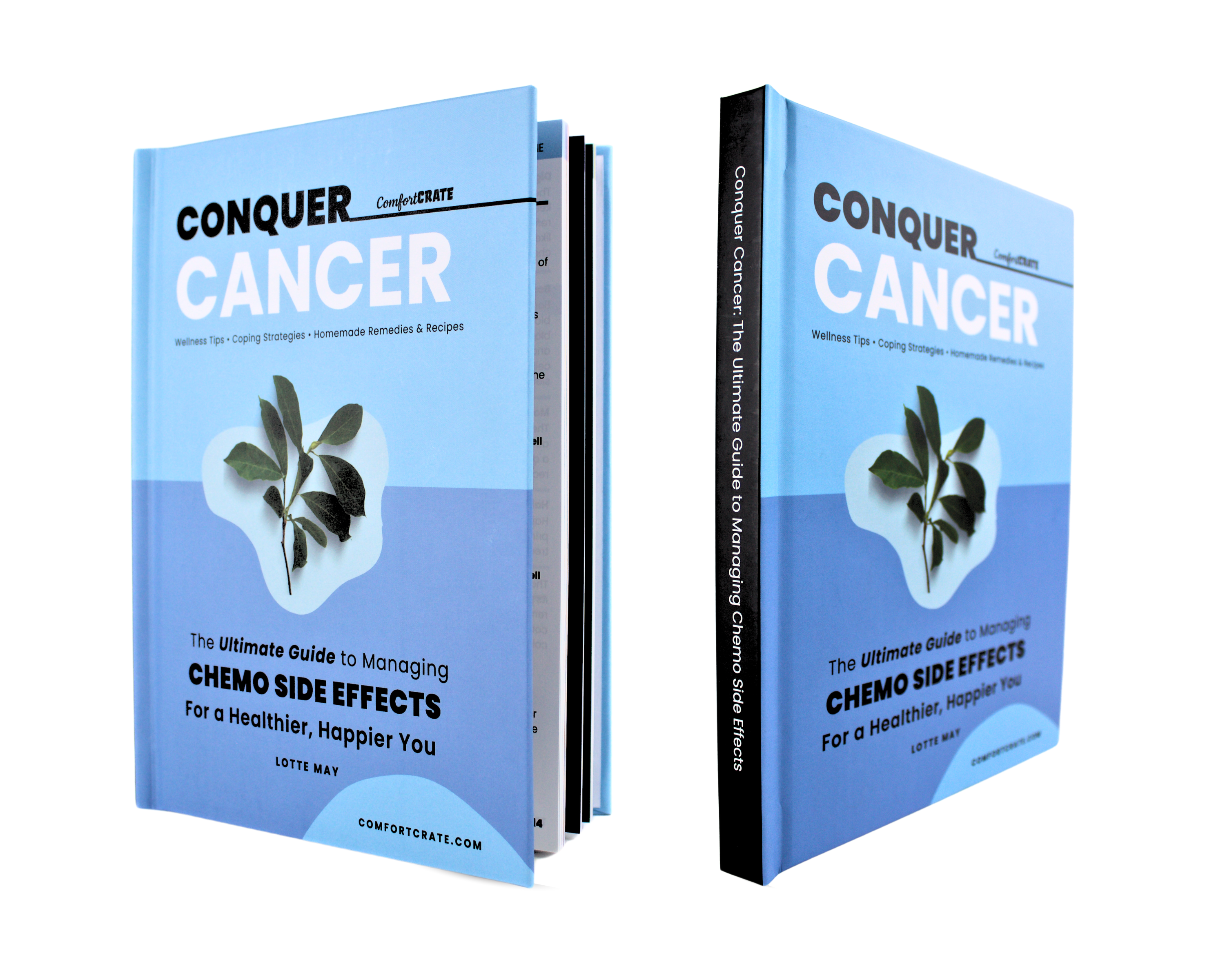
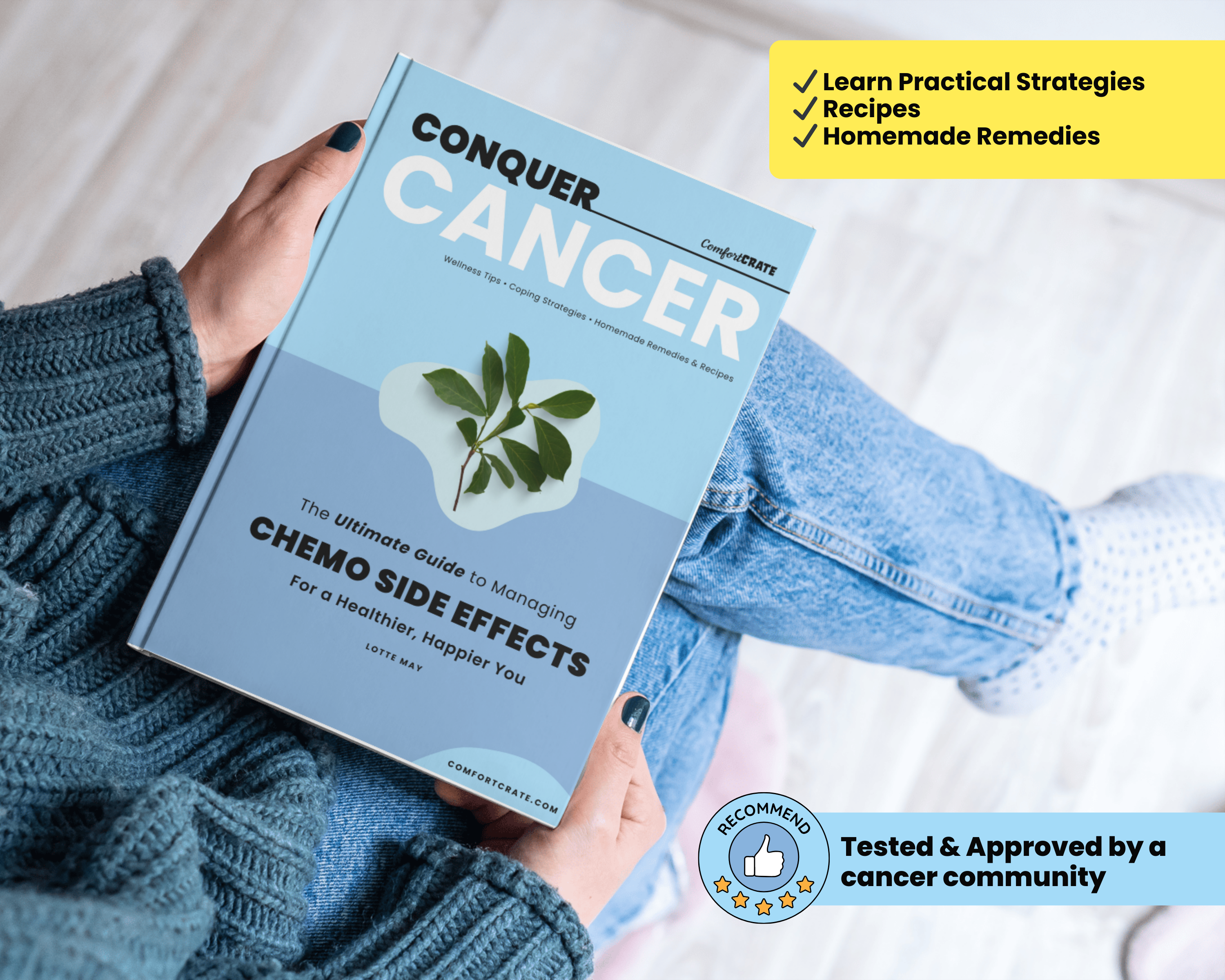
The Comfort Crate Side Effect Guide – Explore my full guide on chemo side effects to discover why side effects happen and how to manage them, so you can become your own expect in cancer treatment.

Advancements in Chemotherapy
Thanks to ongoing research, many types of chemotherapy drugs are now available with fewer side effects than in the past. Scientists and doctors are continually working to improve drug combinations and treatment methods to reduce chemotherapy's impact on patients.
Long-term Side Effects of Chemotherapy
While chemotherapy's immediate side effects are well-known, long-term effects can persist even after treatment ends. Some long-term complications include:
- Hearing problems
- Cognitive difficulties
- Heart problems
- Lung problems
- Osteoporosis
- Nerve damage
- Early menopause
- Infertility
Navigating Your Cancer Journey
Preparing for cancer treatment can be challenging and emotional. By staying informed, communicating openly with your healthcare team, and taking proactive steps to manage side effects, patients can approach their cancer journey with greater confidence and peace of mind.
Conclusion
Chemotherapy is a powerful treatment that can save lives, but it also comes with a range of side effects. By understanding common side effects, ways to manage them, and potential long-term effects, patients can navigate their treatment journey with greater knowledge and empowerment.
Further Reading and Support:
- How to Prepare for Your First Chemo Session - Lean how to prepare for chemotherapy by Comfort Crate.
- What is Chemotherapy NHS Guide - Discover how chemotherapy is given and what happens before chemo.
About the Author: Lotte May is a Stage 4B Hodgkin Lymphoma survivor and the founder of Comfort Crate. She has dedicated her life to researching practical chemotherapy side effect management. Read more about her mission to support cancer patients.
Medical Disclaimer: This information is for support and guidance only. It does not replace the advice of your medical team.







Leave a comment
This site is protected by hCaptcha and the hCaptcha Privacy Policy and Terms of Service apply.