

Chemo Nausea Relief: What to Eat When You're Feeling Queasy
Written By Lotte May
Founder of Comfort Crate & Cancer Advocate
Why Nutrition Matters During Treatment
When undergoing cancer treatment, food is more than just fuel—it is a tool for recovery. A strategic diet helps maintain your weight, bolsters your immune system, and supports the repair of healthy cells damaged by treatment. While nausea can make eating feel like a chore, choosing the right types of food can significantly reduce your symptoms and prevent treatment delays.
The Science: Gastrin and Stomach Stability
Why do we recommend protein-rich foods during nausea? Research suggests that protein can help normalise stomach activity by stimulating the secretion of gastrin. Gastrin is a hormone that regulates digestive acid and muscle contractions in the gut. By keeping gastrin levels steady, you can help rhythm the stomach, preventing the erratic contractions that lead to queasiness. Small, frequent protein hits are often more effective than large, carbohydrate-heavy meals.
Managing the No Appetite Days
It is perfectly normal to lose your appetite for 2–3 days following an infusion. The key is to avoid letting your stomach become completely empty, as gastric acid buildup in an empty stomach actually worsens nausea.
- The 3-Hour Rule: Aim for a small snack every 2–3 hours.
- Bland is Best: Stick to the BRAT or white diet—bread, rice, applesauce, and toast—to provide calories without triggering scent sensitivities.
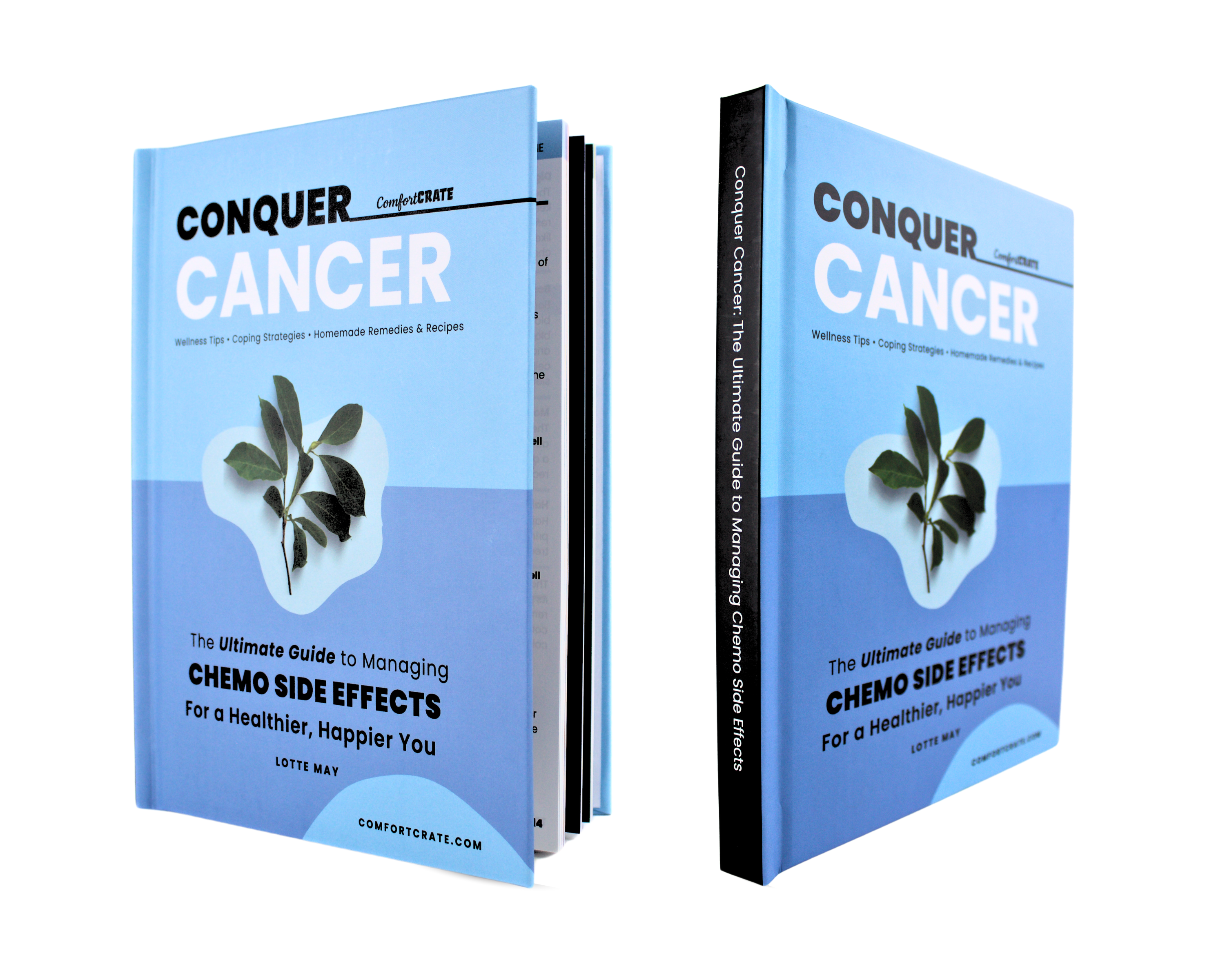
Your Oncology Kitchen Companion: Finding the balance between nutritious and tolerable is the hardest part of chemo cooking. The Ultimate Guide to Managing Chemo Side Effects features an extensive Recipe & Nutrition Chapter. It’s filled with high-protein, low-odour recipes specifically developed to be easy on the stomach while providing the electrolytes and calories your body needs to heal.

The Best Foods to Keep in Your Cupboard
- Ginger & Peppermint: Biscuits or teas containing real gingerol help block the serotonin receptors in the gut that trigger vomiting.
- Starchy Staples: Plain rice, noodles, and potatoes are safe calorie sources that are easy to digest.
- Cold Proteins: Greek yogurt, chilled protein shakes, or cold chicken often have weaker odours than hot meats, making them easier to tolerate.
- Hydrating Soups: Clear broths provide essential electrolytes, especially after a bout of vomiting.
Foods to Approach with Caution
To protect your weakened immune system and prevent digestive flare-ups, try to avoid:
- Raw/Undercooked Foods: Stay away from sushi, rare steaks, or runny eggs due to the risk of neutropenic infection.
- High-Fat & Spicy Foods: These take longer to leave the stomach (delayed gastric emptying), which can extend feelings of nausea.
- Unpasteurised Dairy: Always opt for pasteurised products to ensure food safety.
5 Golden Rules for Eating with Nausea
- Separate Solids and Liquids: Drinking large amounts of water with a meal can make you feel over-full. Sip your fluids 30 minutes before or after eating.
- Avoid Cooking Smells: If possible, have someone else prepare food, or eat "cold assembly" meals like sandwiches to avoid triggering scents.
- Stay Upright: Do not lie flat for at least 30–60 minutes after eating to prevent acid reflux.
- Rinse Frequently: Use a gentle saline mouthwash before and after eating to clear away the metallic taste caused by chemo.
- Temperature Control: Avoid mixing very hot and very cold foods in one sitting, as the temperature contrast can shock a sensitive stomach.
Further Support and Nutrition Guides:
-
Comfort Crate: Food Safety 101
How to handle and prepare food safely when your white blood cell count is low. -
Macmillan: Eating Well During Cancer
Expert advice on maintaining a healthy weight and managing taste changes. -
World Cancer Research Fund: Eat Well During Cancer
A deep dive into oncology nutrition and evidence-based diet plans.
About the Author: Lotte May is a stage 4B Hodgkin Lymphoma survivor and founder of Comfort Crate. She uses her background to research to provide patients with practical evidence-based tools for side effect management. Read more about her mission.
Medical Disclaimer: This information is for support and guidance only. It does not replace the advice of your medical team.








Leave a comment
This site is protected by hCaptcha and the hCaptcha Privacy Policy and Terms of Service apply.