

5 Ways to Manage Chemotherapy-Induced Nausea (CINV)
Written By Lotte May
Founder of Comfort Crate & Cancer Advocate
Walking into a chemotherapy ward for the first time can be intimidating. Between the clinical sounds and the long hours in the chair, Chemo Day can take a toll on both your body and mind. However, with the right preparation and a well-packed support bag, you can transform these long hours into a time of rest and recovery.
The Science: Understanding Anticipatory Nausea
Anticipatory nausea and vomiting is widely believed to be a learned response to chemotherapy that 25% of patients develop by the fourth treatment cycle. This can also be known as a conditioned response. The risk of ANV tends to increase with the number of cycles received and the symptoms may persist long after the completion of chemotherapy.
As this is a psychological response, it is triggered by objects, smell, taste and sounds that remind you of treatment. Cancer treatment results in nausea and vomiting. After frequent pairings of cancer treatment and the clinic's sights, smells, and sounds, the responses (nausea and vomiting) can be triggered in the absence of any treatment by the clinic's sights, smells, or sounds.
The three distinct but interrelated factors contributing to ANV are:
1) Classical conditioning, which may lead to anticipatory nausea
2) Clinical and treatment-related factors, which can predict risk to anticipatory nausea
3) Anxiety or negative expectancies, which may prompt and increase sensitivity to anticipatory nausea. Check out the example below.
How Anticipatory Nausea works
First few chemo sessions:
Conditioned Stimulus (Nurse) = No response
Unconditioned Stimulus (Chemo drugs) = Unconditioned Response (Nausea)
After several chemo sessions
Conditioned Stimulus (Nurse) = Conditioned Response (Nausea)
Although it’s difficult to predict which patients will develop ANV, many factors seem to put some people at higher risk, including:
- Being younger than 50 or female.
- Experiencing nausea and vomiting after treatment, particularly if symptoms ranged between moderate and intolerable.
- Experiencing generalised weakness, lightheadedness, dizziness or sweating after previous treatments.
- Experiencing high levels of anxiety in reaction to specific situations.
This response can be reduced through certain techniques and the earlier you employ these techniques the easier it will be to interrupt the pattern. The techniques focus on enhancing feelings of control and relaxation before treatment.
It has been shown that relaxation techniques can significantly reduce nausea, particularly if they are used regularly. Besides helping you relax, music, deep breathing, and imagery (visualising something pleasant: a special place, for example) can be used to control feelings of anxiety and to sleep better.
Nausea treatment
1. Systematic Desensitisation
This is a type of behavioural therapy based on the principle of classical conditioning.This therapy aims to remove the fear response of a phobia, and substitute a relaxation response to the conditional stimulus gradually using counter-conditioning. The patient works their way through, visualising each anxiety provoking event while engaging in the relaxation response.
2. Hypnosis
Hypnosis may help treat symptoms of anxiety, phobias and post-traumatic stress. It is a trance-like mental state in which people experience increased attention, concentration, and suggestibility. While hypnosis is often described as a sleep-like state, it is better expressed as a state of focused attention, heightened suggestibility, and vivid fantasies. People in a hypnotic state often seem sleepy and zoned out, but in reality, they are in a state of hyper-awareness.
3. Acupuncture
Some people gain relief from acupressure bands, which are available from chemists. These elasticated wrist bands have a button which presses on an acupuncture point (also called Neiguan) known to reduce nausea and vomiting. You can do this without an acupressure band, read 'The Neiguan Acupressure Point' blog post for more information.
4. Progressive Muscle Relaxation
A deep relaxation technique, based upon the simple practice of tensing, or tightening, one muscle group at a time followed by a relaxation phase.
Muscle Relaxation technique to reduce nausea
- While inhaling, contract one muscle group (for example your upper thighs) for 5 -10 seconds, then exhale and suddenly release the tension in that muscle group.
- Give yourself 10 - 20 seconds to relax, and then move on to the next muscle group.
- While releasing the tension, try to focus on the changes you feel when the muscle group is relaxed. Imagery may be helpful in conjunction with the release of tension.
- Gradually work your way up the body contracting and relaxing each muscle group.
Your Chemo Day Checklist: 5 Essentials for the Chair
1. Hydration is Non-Negotiable
Chemotherapy drugs can be taxing on your kidneys and liver. Drinking plenty of water helps your body flush out the toxins once the drugs have done their job. If plain water feels unappealing due to "metallic mouth," try adding a slice of lemon or a splash of ginger cordial.
2. Layers for Temperature Control
Hospitals are notoriously unpredictable with temperature. You might feel a "flush" during infusion and then become cold as the fluids enter your system. Wear loose-fitting, layered clothing and always bring a soft blanket to stay cozy.
3. Gentle Distractions
Chemo sessions can last anywhere from one to eight hours. Bring a variety of distractions: a light-hearted book, a downloaded podcast, or even a simple craft like knitting. Avoid anything too mentally taxing; some patients experience "Chemo Fog" during treatment, making it hard to concentrate on complex tasks.
4. Scent Management
Clinical smells can often trigger nausea. Keep a small bottle of peppermint or ginger essential oil in your bag. A quick sniff can provide a scent reset, helping to mask the hospital environment and calm your stomach.
5. Skin and Lip Care
The air in treatment wards is often very dry, and chemotherapy can lead to cracked lips and skin sensitivity. A fragrance-free lip balm and a rich hand cream can provide much-needed physical comfort while you wait.
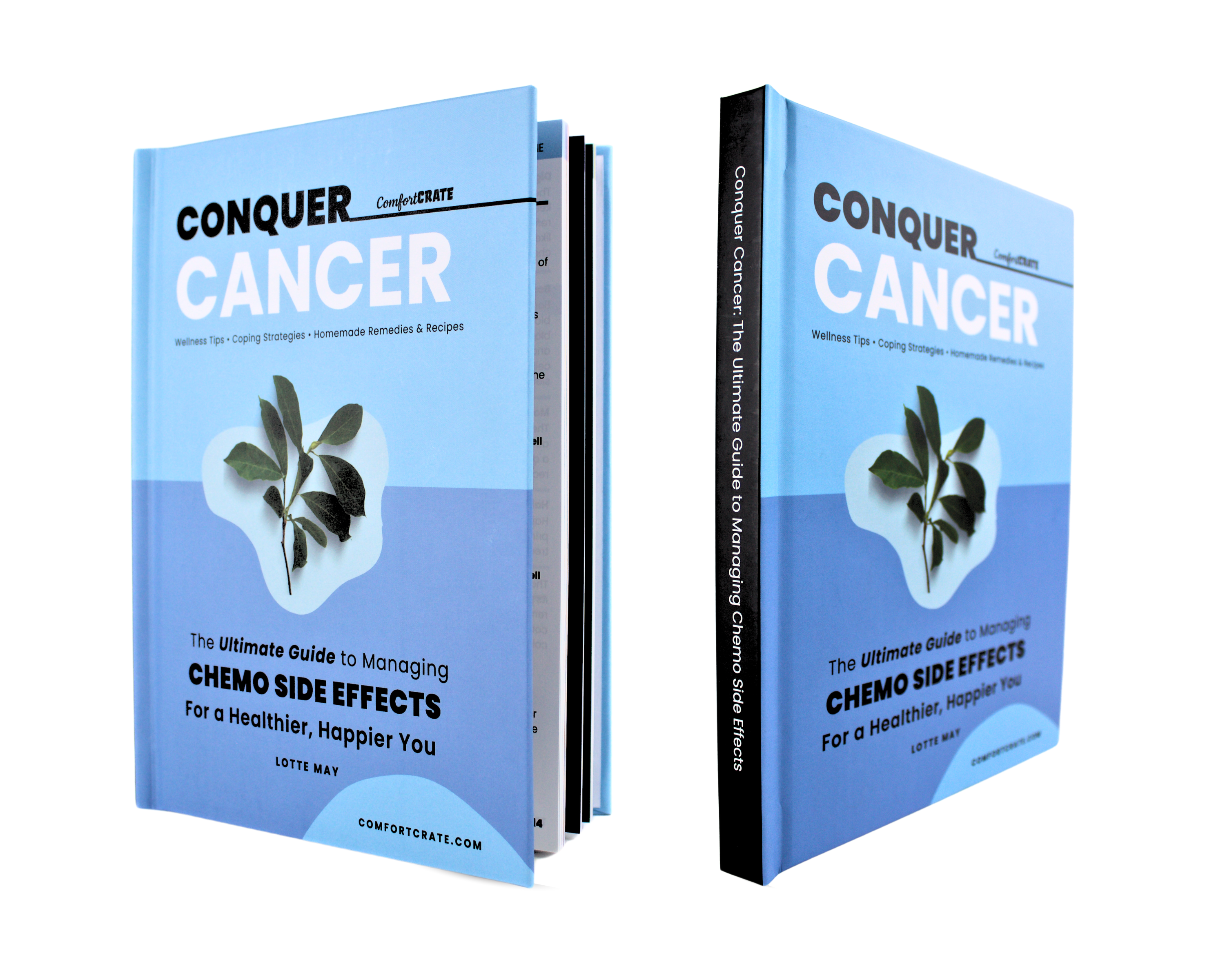
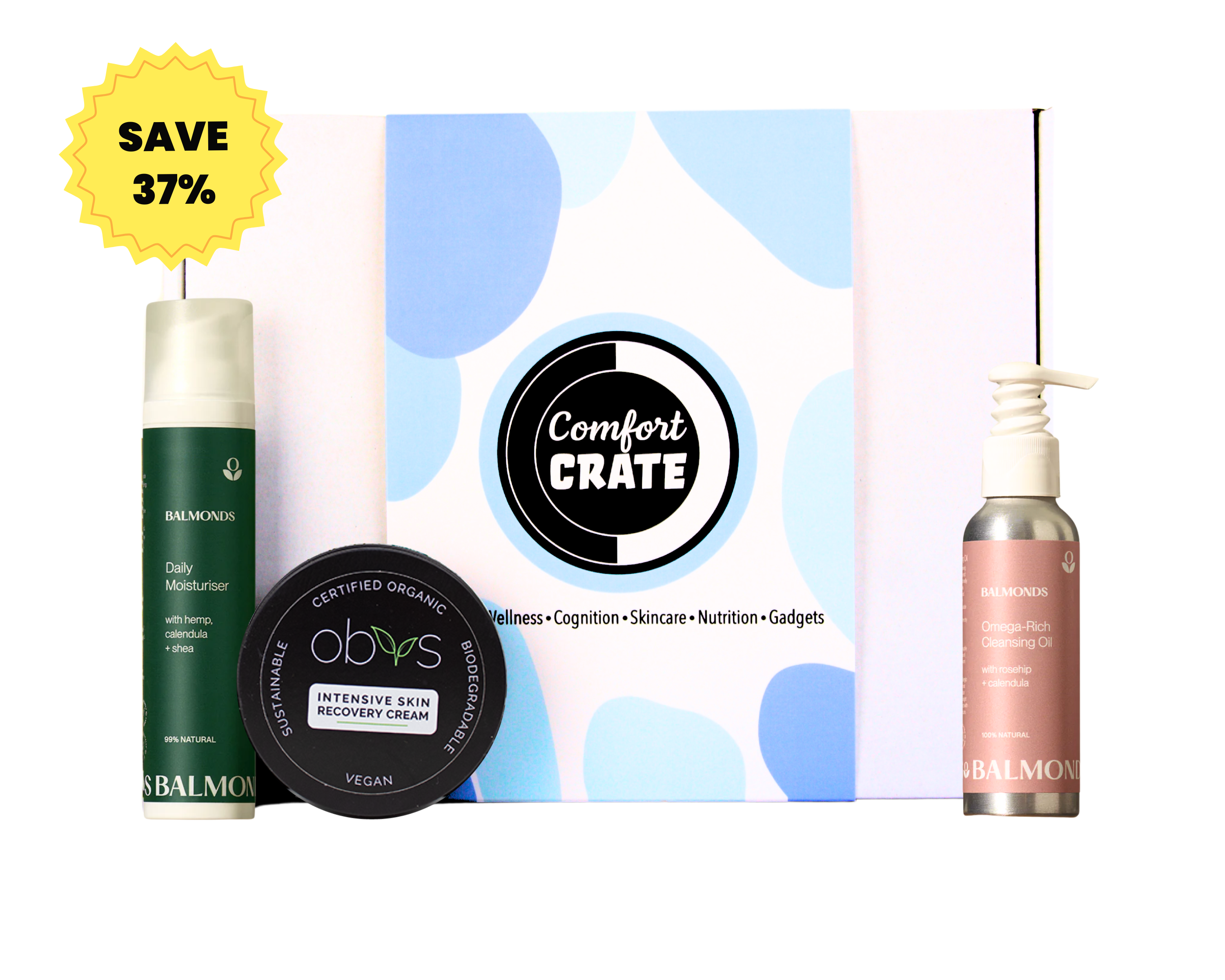
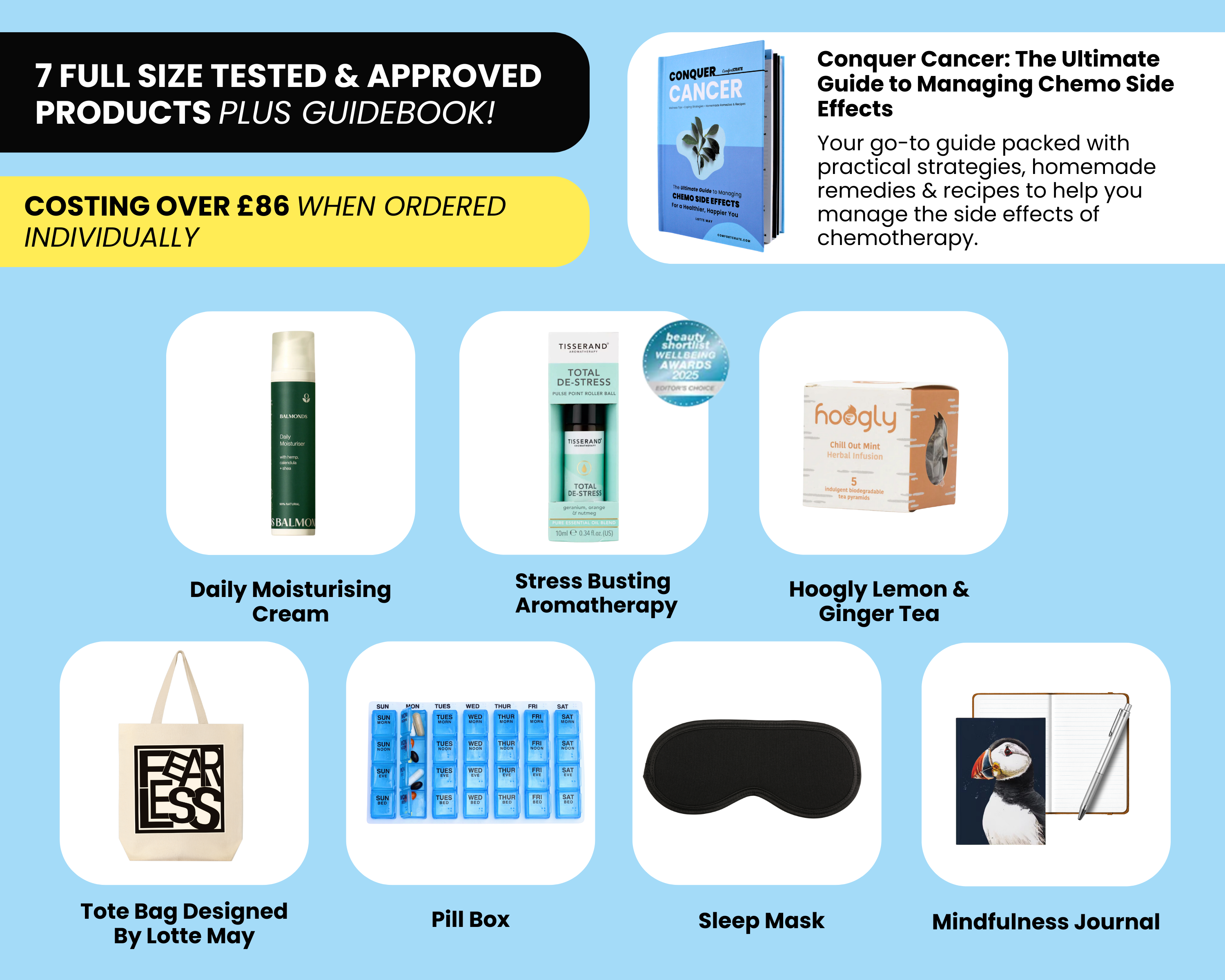
Everything You Need for Treatment Day: Don't spend your energy worrying about what to pack. Our Chemo Day Support Kit is specifically designed to be your hospital go-bag. It features high-quality hydration tools, comfort items for temperature regulation, and our Ultimate Guide to Managing Chemo Side Effects, which includes a dedicated chapter on Navigating the Ward with cancer patient-led tips on making your treatment sessions as peaceful as possible.

Further Support for Treatment Days:
-
Comfort Crate: Using Peppermint ink9 the Ward
How to use aromatherapy to combat clinic-induced nausea. -
Macmillan: Preparing for Your First Session
A practical guide on what to ask your nurse and what to expect from the infusion process. -
Cancer Research UK: Managing Nasuea
Clinical techniques to help manage the anxiety and nausea felt before treatment starts.
About the Author: Lotte May is a stage 4B Hodgkin Lymphoma survivor and founder of Comfort Crate. She uses her background to research to provide patients with practical evidence-based tools for side effect management. Read more about her mission.
Medical Disclaimer: This information is for support and guidance only. It does not replace the advice of your medical team.







Leave a comment
This site is protected by hCaptcha and the hCaptcha Privacy Policy and Terms of Service apply.