

How to use Aromatherapy & what essential oils are used for
Written By Lotte May
Founder of Comfort Crate & Cancer Advocate
What are Essential Oils and Aromatherapy?
Essential oils are highly concentrated natural extracts produced by plants, derived from leaves, flowers, and stems. These powerful essences are the foundation of aromatherapy. It takes a significant amount of plant material to produce just a small vial of oil; for example, one pound of lavender essential oil requires over 200 pounds of lavender flowers.
Aromatherapy can be a valuable addition to your self-care toolkit. These oils have been shown to promote healthy sleep, relieve headaches, and manage nausea. With their natural antibacterial and antiviral properties, they are useful products for your home environment. Furthermore, aromatherapy can help improve skin conditions, support digestion, and reduce anxiety during your recovery journey.
Effective Ways to Use Essential Oils During Cancer Recovery
Finding the right method of aromatherapy depends on your energy levels and the environment you are in. Here are five practical ways to incorporate them into your routine:
- The Diffuser Method: A diffuser breaks oils down into tiny molecules, dispersing them into the air to create a calming space. Popular types include ultrasonic, ceramic, or reed diffusers.
- Simple Inhalation: The most direct method is to open a bottle of pure oil and inhale deeply. To avoid irritation, ensure the undiluted oil does not touch your skin. For a deeper experience, add a few drops to a bowl of hot water, place a towel over your head, and breathe in the steam.
- Dry Evaporation for Appointments: This is a convenient method for hospital visits. Add a few drops to a cotton ball or piece of fabric. Hold it to your nose during procedures or place it near your pillow to help with relaxation.
- Bath and Shower Integration: Incorporate scents into your hygiene routine. Dilute oils with a carrier oil before adding to bathwater, or add a few drops to the shower walls so the steam carries the fragrance.
- Skincare and Massage: You can add essential oils to your preferred toners or muscle rubs. Always dilute essential oils with a carrier oil (such as coconut or almond oil) before applying to your skin to prevent sensitivity.
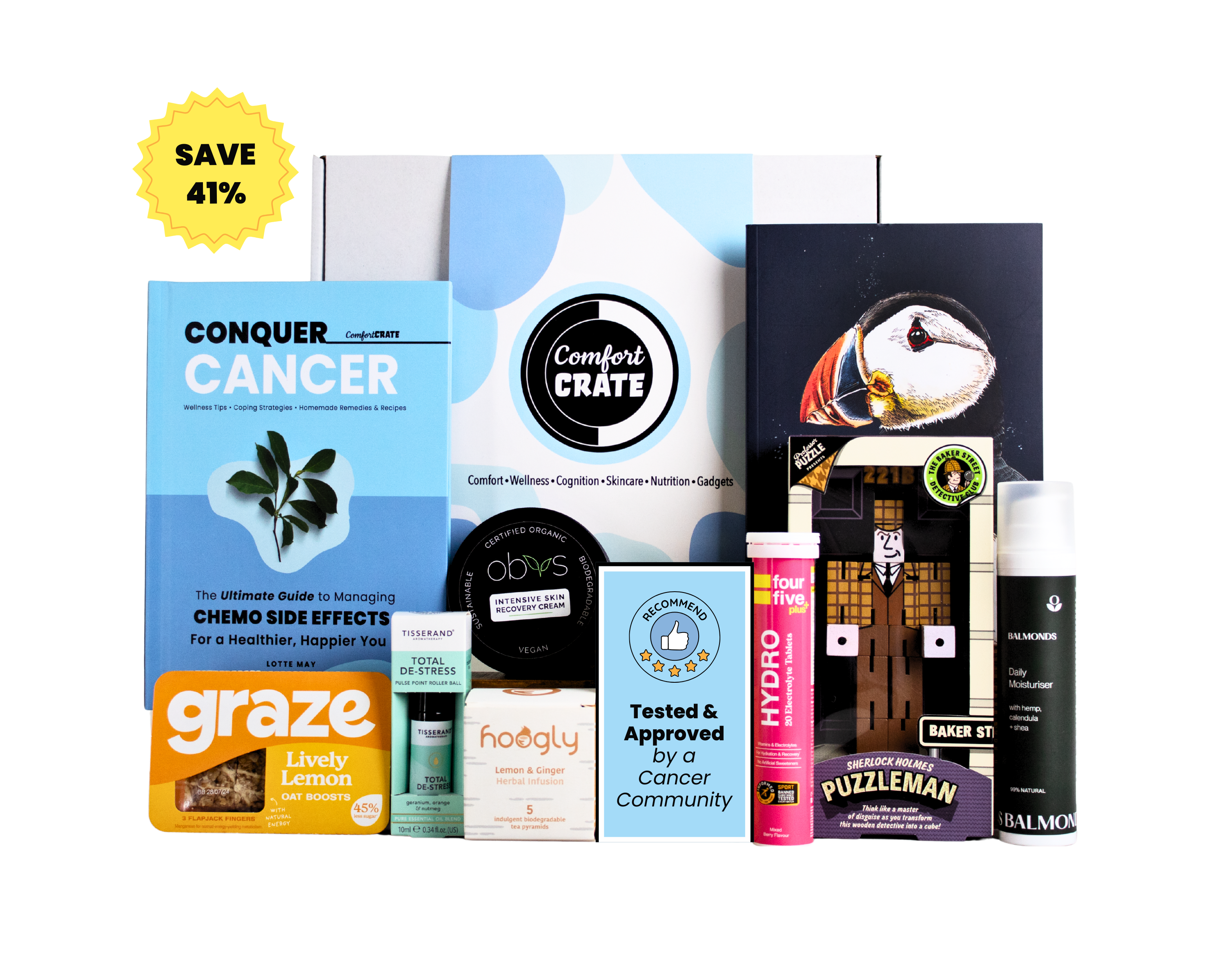
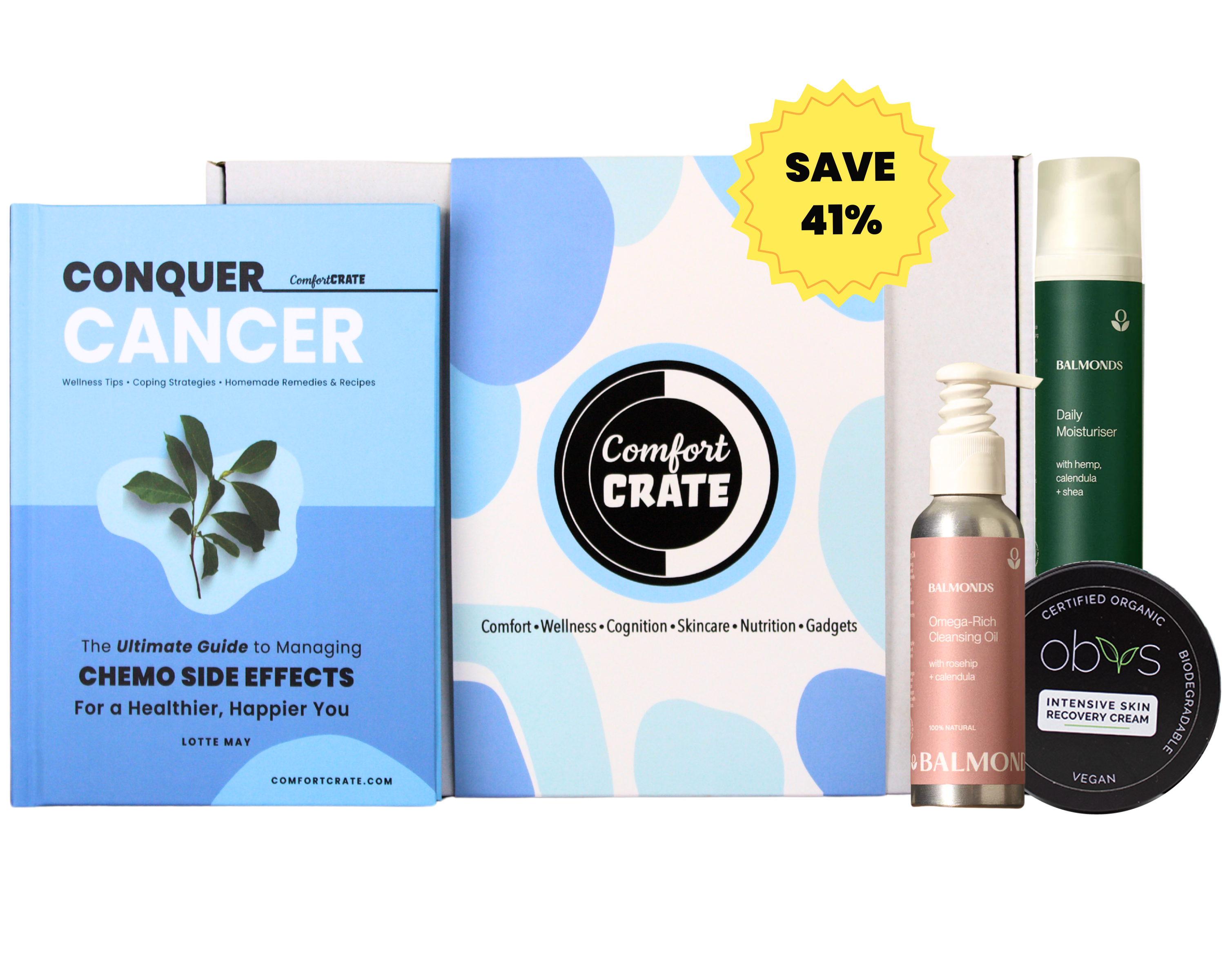
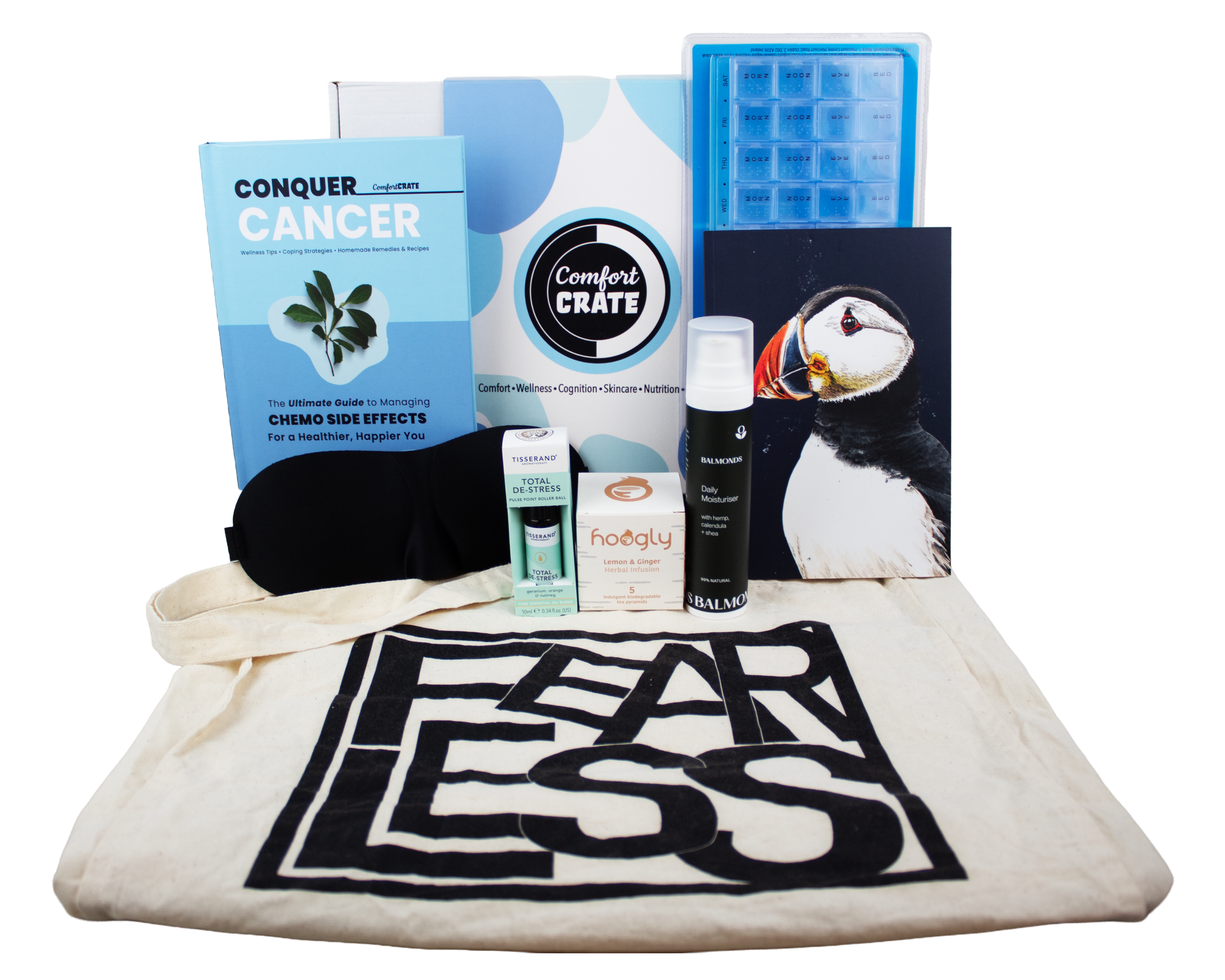
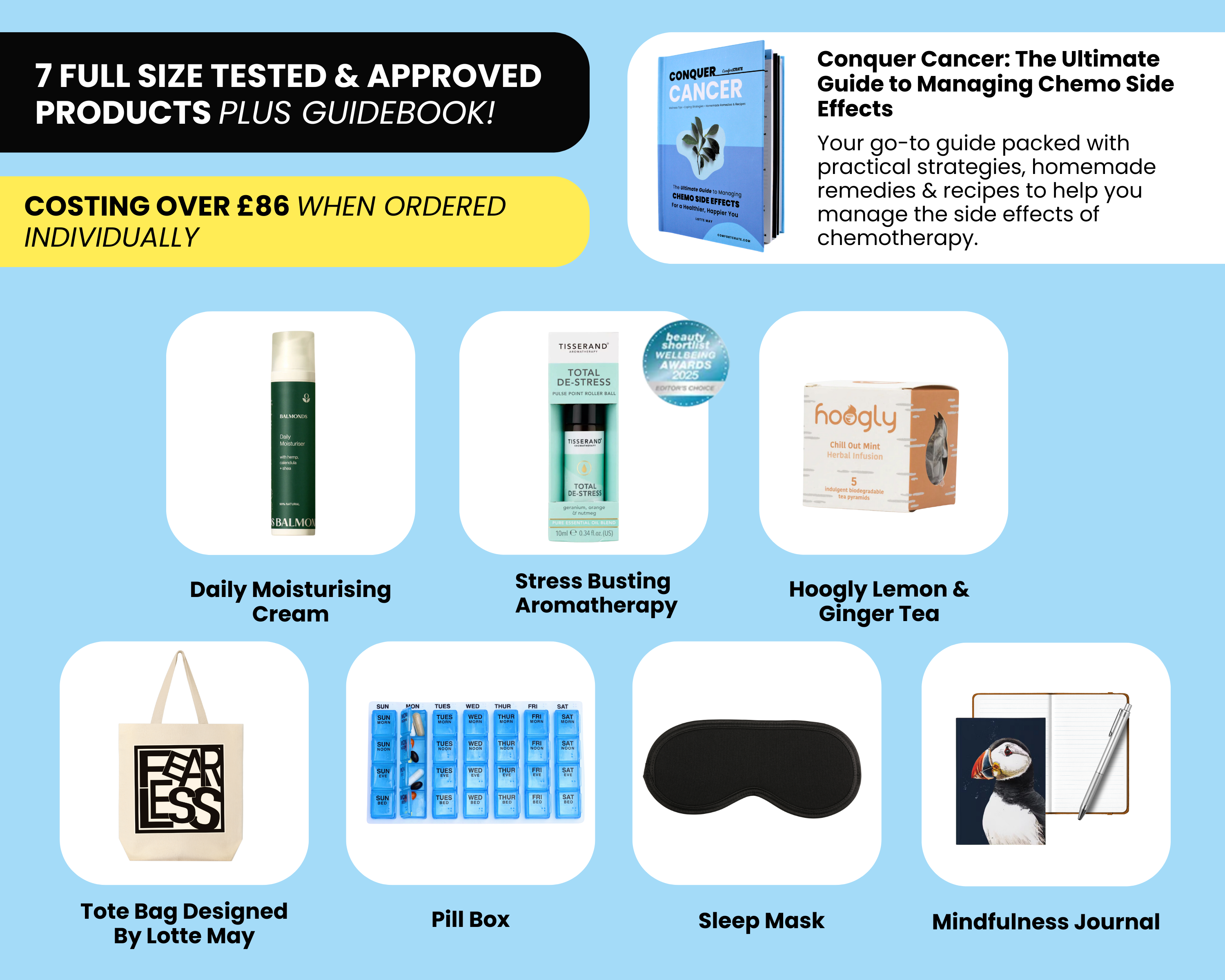
Support Your Cancer Journey: Prepare yourself or a loved one for chemotherapy with The Ultimate Chemo Kit. Carefully curated by a cancer survivor, this kit includes Tisserand's Aromatherapy stress relief rollerball for an easy way to ease anxiety.

Safety Considerations for Cancer Patients
While essential oils offer many benefits, they are active extracts and must be used with caution. Because treatment can make your body more sensitive, always consult your healthcare team before starting a new aromatherapy routine. Particular care should be taken by:
- Older adults and children under 12
- Those who are pregnant or breastfeeding
- Pet owners (be aware that certain oils, such as tea tree or peppermint, are toxic to cats and dogs)
Aromatherapy Safety Guidelines
- Follow Dosages: Essential oils are potent. Always keep them in their original packaging and follow the recommended duration of use.
- Avoid Substitutions: Never swap one oil for another just because the names are similar. Each oil has a unique chemical profile.
- Maintain Hygiene: Wash your hands thoroughly after handling oils to prevent accidental contact with your eyes.
- Proper Storage: Store your oils in a cool, dark place (between 5°C and 30°C) to prevent light and air from degrading the quality of the oil.
- Medical Consultation: Talk to your doctor if you have high blood pressure, low immunity, or epilepsy, as some oils can interact with specific medications.
Learn more about creating your own tools here: Make your own Aromatherapy Inhaler
Further Reading and Expert Support
For more detailed guidance on using aromatherapy safely and effectively, I recommend these professional resources:
- IFPA – The International Federation of Professional Aromatherapists, where you can find qualified practitioners.
- The Tisserand Institute – A leading resource for essential oil safety and dilution information.
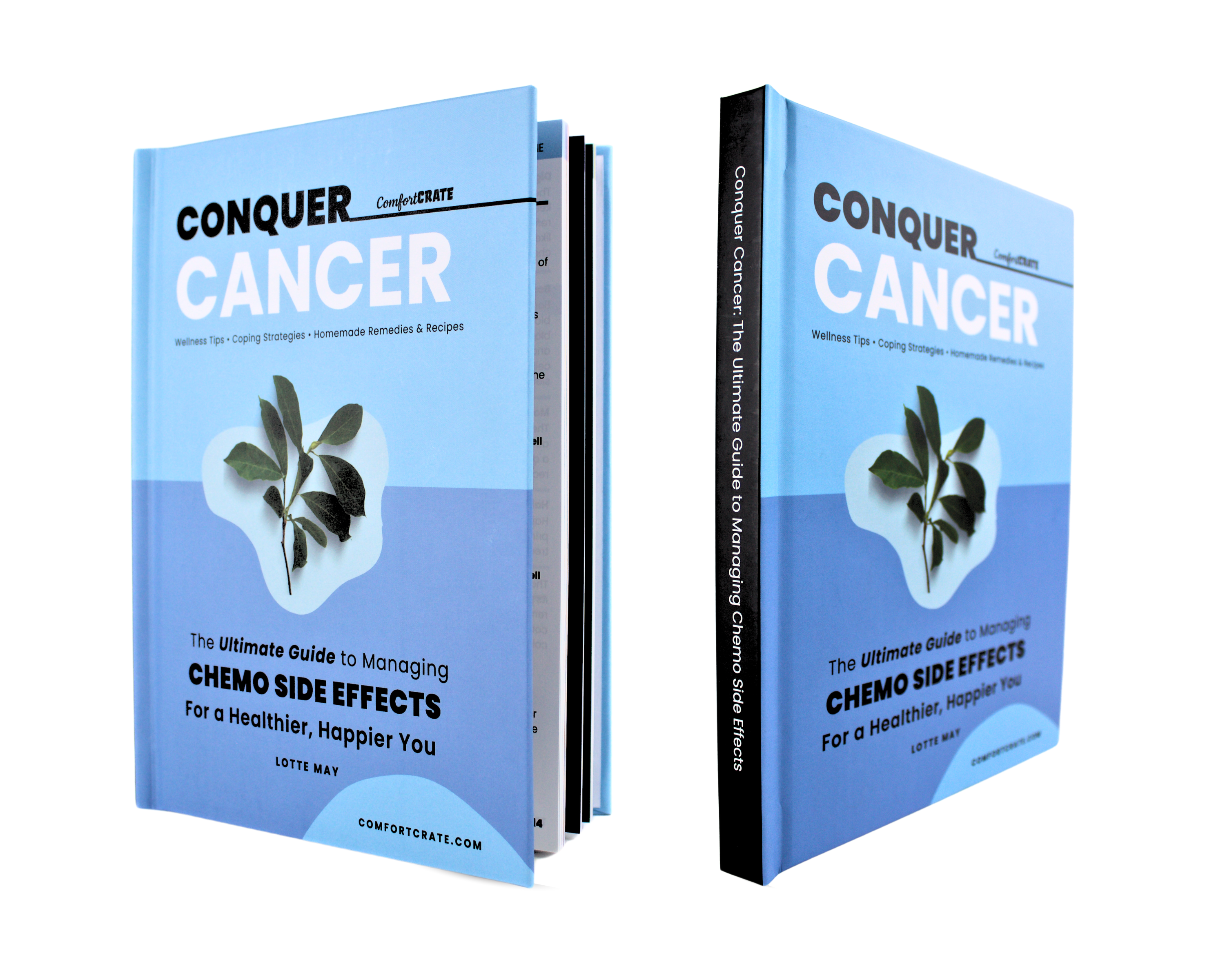
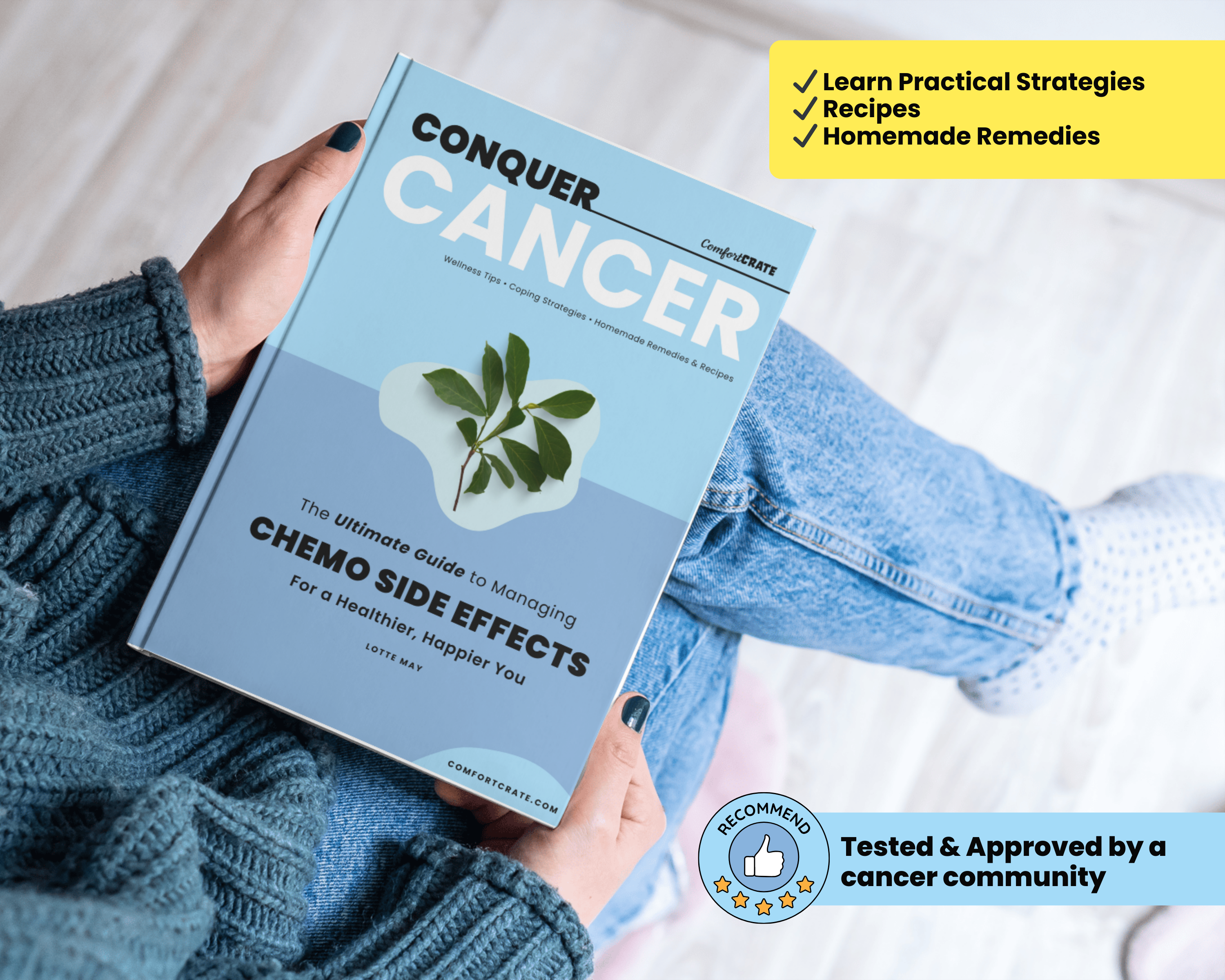
- The Comfort Crate Side Effect Guide – Explore the full directory for more strategies on managing treatment changes.
About the Author: Lotte May is a Stage 4B Hodgkin Lymphoma survivor and founder of Comfort Crate. She focuses on providing practical tools and research-backed management strategies to help patients navigate recovery more comfortably. Read more about the mission.
Medical Disclaimer: This information is for support and guidance only. It does not replace the advice of your medical team.



Leave a comment
This site is protected by hCaptcha and the hCaptcha Privacy Policy and Terms of Service apply.