

What to expect after cancer treatment ends | Life after Cancer
Written By Lotte May
Founder of Comfort Crate & Cancer Advocate
The end of treatment is a major milestone, yet many survivors report entering a new world filled with unexpected questions. After months of putting all your energy into survival, shifting focus toward processing trauma and managing long-term side effects can feel overwhelming. This transition is often called finding your new normal, rebuilding a life that may look very different from the one you had before.
How to Reduce Post-Treatment Stress and Anxiety
Transitioning from a clinical environment back to daily life can trigger a spike in anxiety. Here are research-backed ways to manage this shift:
- Active Relaxation: Utilise breathing techniques, meditation, or yoga. These practices lower cortisol levels and help reset your nervous system.
- Peer Support: Sharing feelings with friends or joining survivor groups can answer lingering questions and reduce the isolation often felt after hospital appointments stop.
- Physical Activity: Exercise releases endorphins, which improve mood and rebuild self-esteem. Start slow and focus on consistency over intensity.
- Journaling: Writing down your thoughts helps externalise worries and fears, making them easier to process and let go of.
- Purpose-Driven Work: Volunteering or charity work provides a sense of meaning and a positive focal point for your energy.
The Recovery Timeline: The 2-for-1 Rule
It is important to manage your expectations regarding your energy levels. A helpful guideline is the 2-for-1 recovery rule: it often takes two months of recovery for every one month of active treatment before your baseline energy returns. From fatigue to physical scars, your body needs significant time to adjust. Taking things at your own pace is not a sign of weakness; it is a clinical necessity for long-term health.
Techniques for Creating a Post-Treatment Routine
Building a routine helps your brain regain a sense of safety through predictability. Use these steps to rebuild your daily structure:
- Practice Mindfulness: Focus on the present moment. Obsessing over the past or future creates unnecessary stress; focus only on the task at hand.
- Identify Priorities: List what is truly important to you now. Your goals may have changed since your diagnosis, allow your routine to reflect who you are today.
- Schedule Habits: Start with the basics. Wake up, eat breakfast, and get dressed at the same time every day to anchor your circadian rhythm.
- The Reset Day: Before jumping back into work or big commitments, take a reset day to organise your home and prepare yourself mentally.
- Sleep Hygiene: Consistent bedtime and waking hours are the fastest way to stabilise your energy and mood.
Managing the Fear of Recurrence
The fear of cancer returning is a common experience. While recurrence risk depends on the type and stage of cancer, the statistical likelihood generally decreases as time passes. To manage this anxiety:
- Focus on Control: Be proactive with your follow-up appointments and health tracking.
- Clarify Symptoms: Speak to your doctor about how to distinguish normal aches and pains from red-flag symptoms.
- Seek Professional Help: If the fear of recurrence interferes with your daily life, a therapist or counsellor can teach you specific coping strategies.
- Maintain a Care Plan: Having a written follow-up plan gives you a sense of agency over your health.
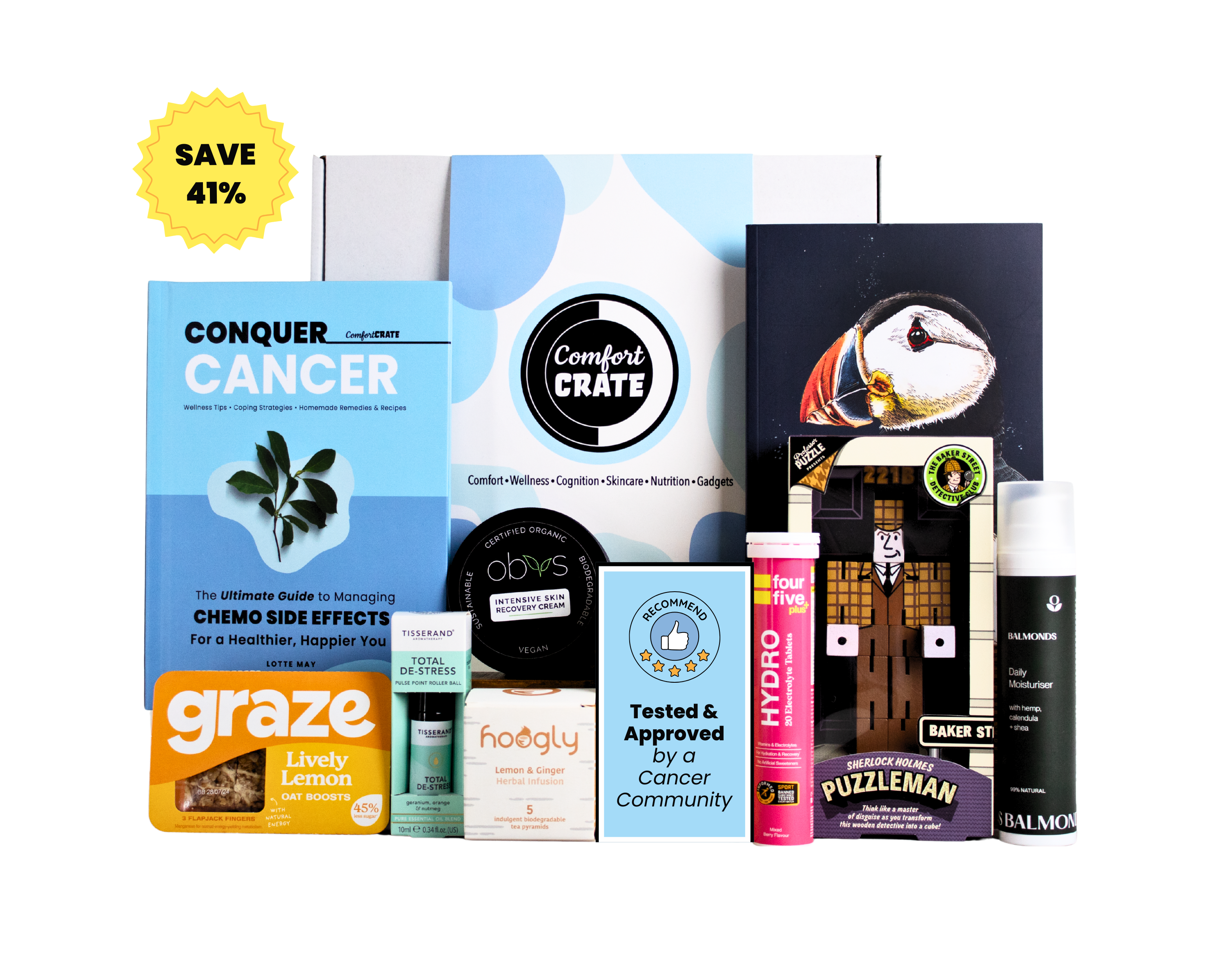
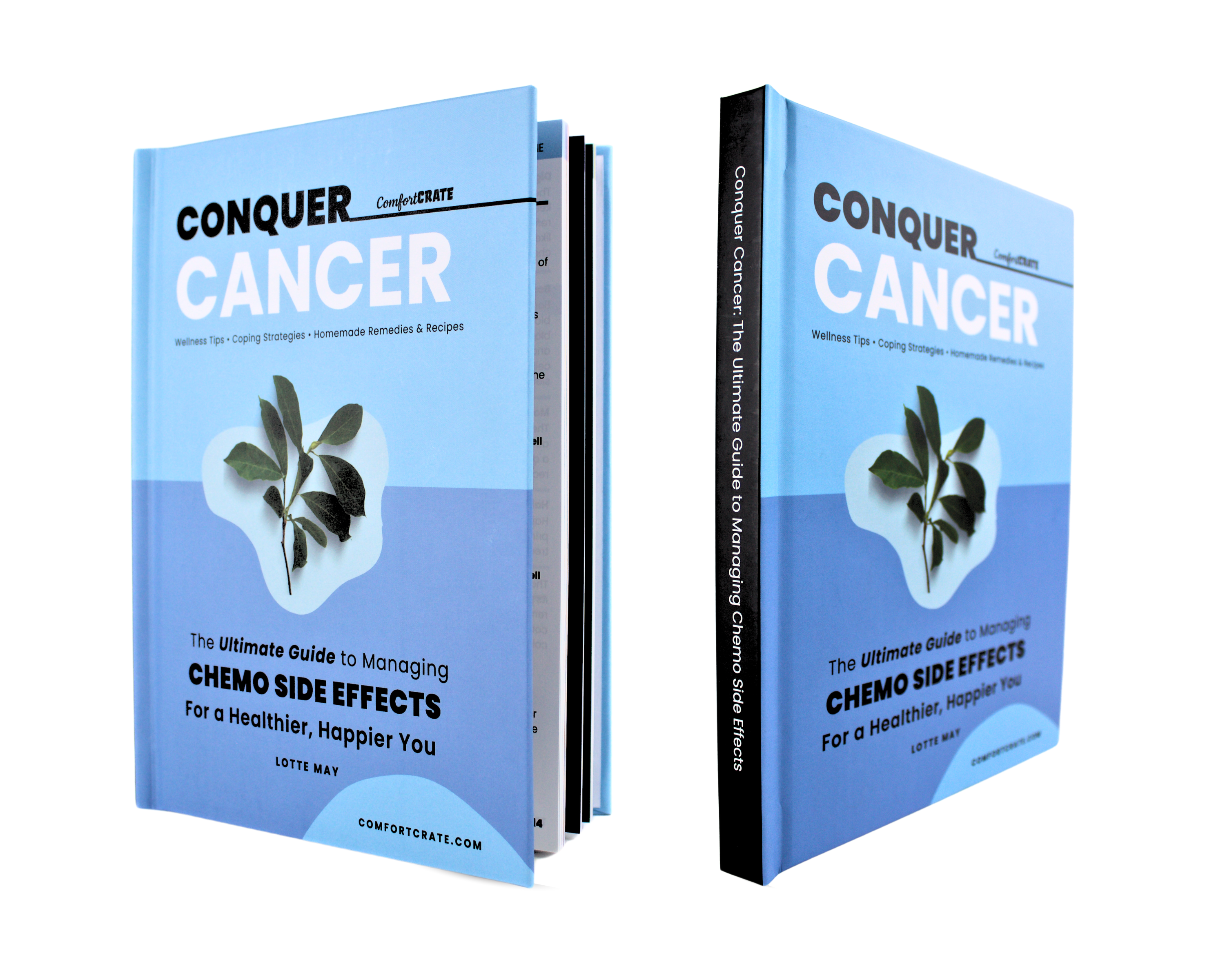
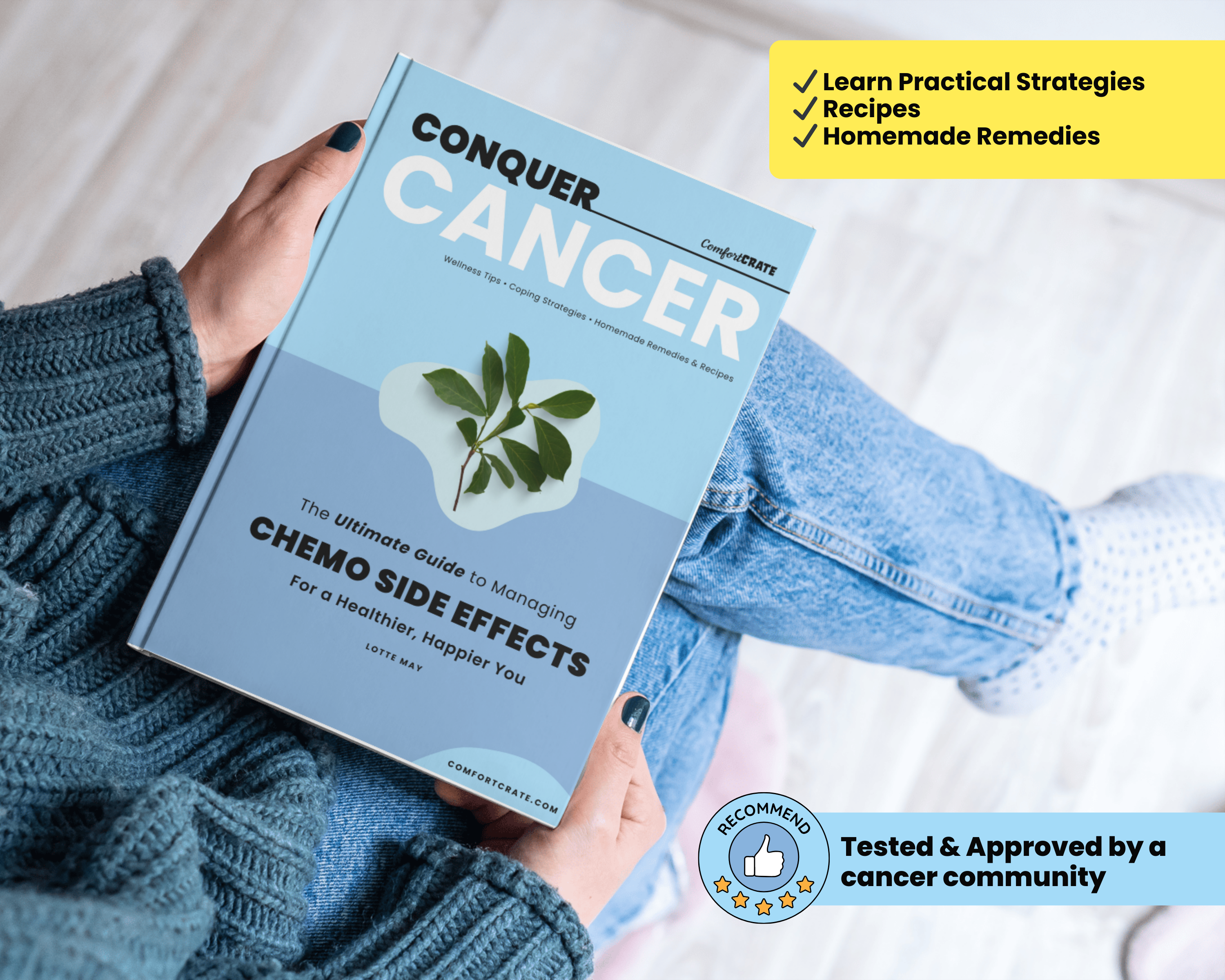
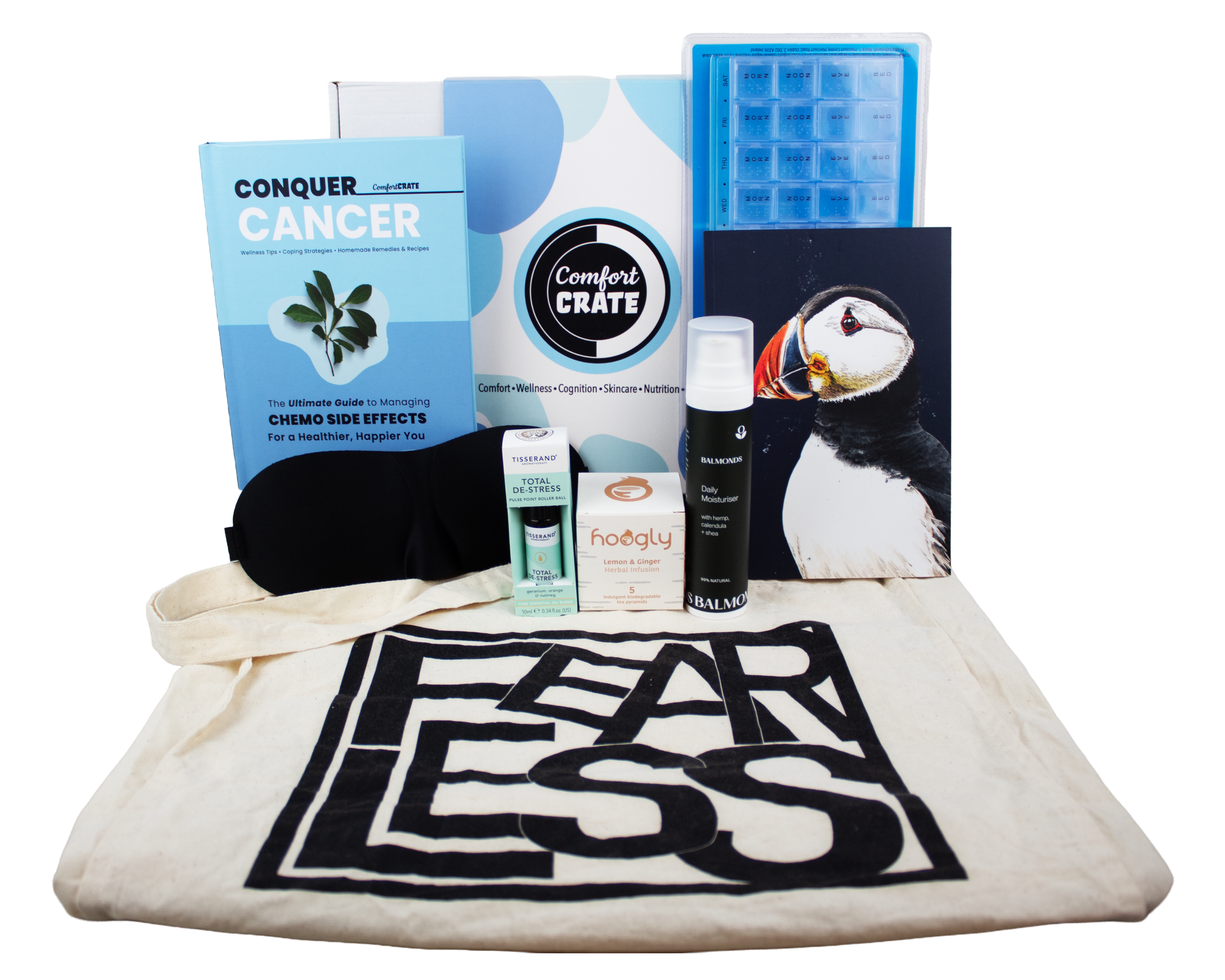
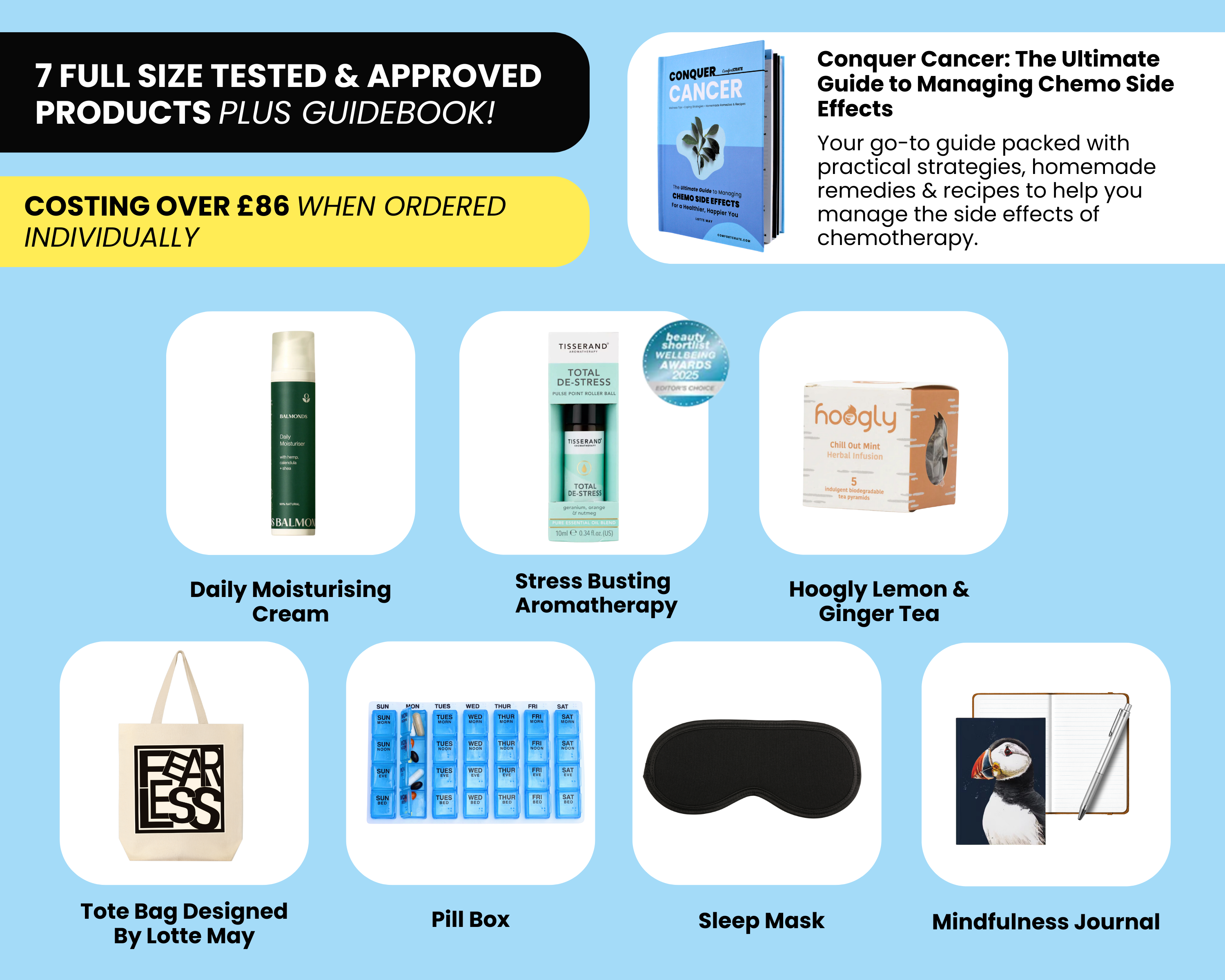
Support Your Recovery: Navigating the new normal is easier when you have the right resources. Explore The Ultimate Chemo Kit, curated to help you maintain comfort and manage lingering side effects during the recovery phase.

The New Normal and My Journey
After hearing I was in remission, I felt a mix of relief and intense worry about future health problems. I had spent six months in bed, and the idea of normal life was daunting. I started small, weighing myself daily and tracking my physical symptoms. This small act of data-gathering gave me back a sense of control. Slowly, I added more activities, allowing my mind and body to adjust to life beyond the hospital ward.
Further Reading and Support:
• Improve your Physical Health - For more tips on life after cancer treatment read Lotte May's Guide on wellness and health.
• NHS Top 10 Tips After Cancer Treatment Ends - Find extra support and learn what happens after your treatment ends.
About the Author: Lotte May is a Stage 4B Hodgkin Lymphoma survivor and founder of Comfort Crate. She uses her experience as a researcher and survivor to provide patients with practical tools for navigating life during and after treatment.
Read more about her mission.
Medical Disclaimer: This information is for support and guidance only. It does not replace the advice of your medical team.





Leave a comment
This site is protected by hCaptcha and the hCaptcha Privacy Policy and Terms of Service apply.