

How to Improve your Physical Health After Cancer Treatment
Written By Lotte May
Founder of Comfort Crate & Cancer Advocate
Cancer treatment often leads to significant physical and mental exhaustion. Prolonged periods of inactivity can result in a loss of body function, muscle weakness, and a reduced range of motion, which makes regaining your strength more difficult. However, practicing daily physical activity can improve your health and recovery time. Building strength and muscle mass is essential for maintaining your balance and posture during and after treatment.
Health Benefits of Physical Activity During Cancer Treatment
- Enhances brain function and mental clarity
- Reduces the impact of cancer-related fatigue
- Alleviates symptoms of depression and anxiety
- Promotes better sleep quality and duration
- Increases physical stamina for daily tasks
- Strengthens bones, muscles, and joint range of motion
- Supports a more resilient immune system
- Boosts appetite and helps maintain a healthy weight
- Provides relief for lymphoedema symptoms
- Significantly improves overall quality of life and reduces treatment side effects
Exercising After a Break: Tips for Getting Started
Re-establishing an exercise routine can feel daunting when you are dealing with fatigue. While it sounds counterintuitive, starting a gentle workout while tired can actually boost your energy levels and motivation. The key is to be patient with yourself and follow these safety steps:
- Start with just a few minutes: Even five minutes of activity a day is beneficial. Gradually increase the duration as your strength returns.
- Listen to your body: Do not push yourself to exhaustion. If you feel tired, try 10 minutes of light movement and rest as needed.
- Monitor for dizziness: Stop immediately if you feel unsteady or light-headed.
- Consult your doctor: Always speak with your medical team before moving beyond moderate exertion.
- Use the interval method: Try short bursts of activity with frequent breaks. For example, walk briskly for a few minutes, slow down, and repeat until you reach your goal.
Low-Impact Exercises for Cancer Patients
To prevent feeling overwhelmed, focus on these three core types of movement:
1. Flexibility and Mobility
Always warm up first by walking briskly or marching in place. Flexibility work helps maintain your range of motion. Examples include:
- Yoga
- Forward and side lunges
- Gentle seated stretches
2. Aerobic Exercise
Aerobic activity improves immune function and brain power while reducing chronic pain.
- Swimming (low impact on joints)
- Cycling or using a stationary bike
3. Resistance Training
Lifting light weights or practicing isometric exercises helps rebuild muscle mass lost during treatment and improves bone density.
The Importance of Stretching and Cooling Down
Stretching after a workout reduces your risk of injury and helps your muscles relax. Incorporate deep breathing while holding stretches for 30 seconds. This process provides several physiological benefits:
- Heart Rate Recovery: Cooling down allows your heart rate to return to a normal level safely, protecting your cardiovascular health.
- Lactic Acid Reduction: Stretching helps disperse lactic acid, which prevents the "sore and achy" feeling in your muscles the next day.
- Joint Protection: Proper post-workout mobility keeps muscles flexible and reduces strain on your joints.
When to Avoid Certain Types of Exercise
Always consult your specialist if you are unsure about a specific activity. Certain conditions require modified exercise plans:
- Bone Involvement: If cancer affects your bones, avoid high-impact or heavy-weight exercises to prevent fractures. Swimming is an excellent alternative as the water supports your weight.
- Compromised Immunity: If your white blood cell counts are low, avoid public gyms or crowded fitness classes to reduce infection risk.
- Peripheral Neuropathy: If you have numbness or tingling in your hands and feet, use a stationary bike rather than a treadmill to prevent falls or balance issues.
- Post-Surgery Recovery: After surgery, you may have specific restrictions. Check with your surgeon before resuming your previous fitness levels.
For more recovery strategies, read: Why Rest is Important
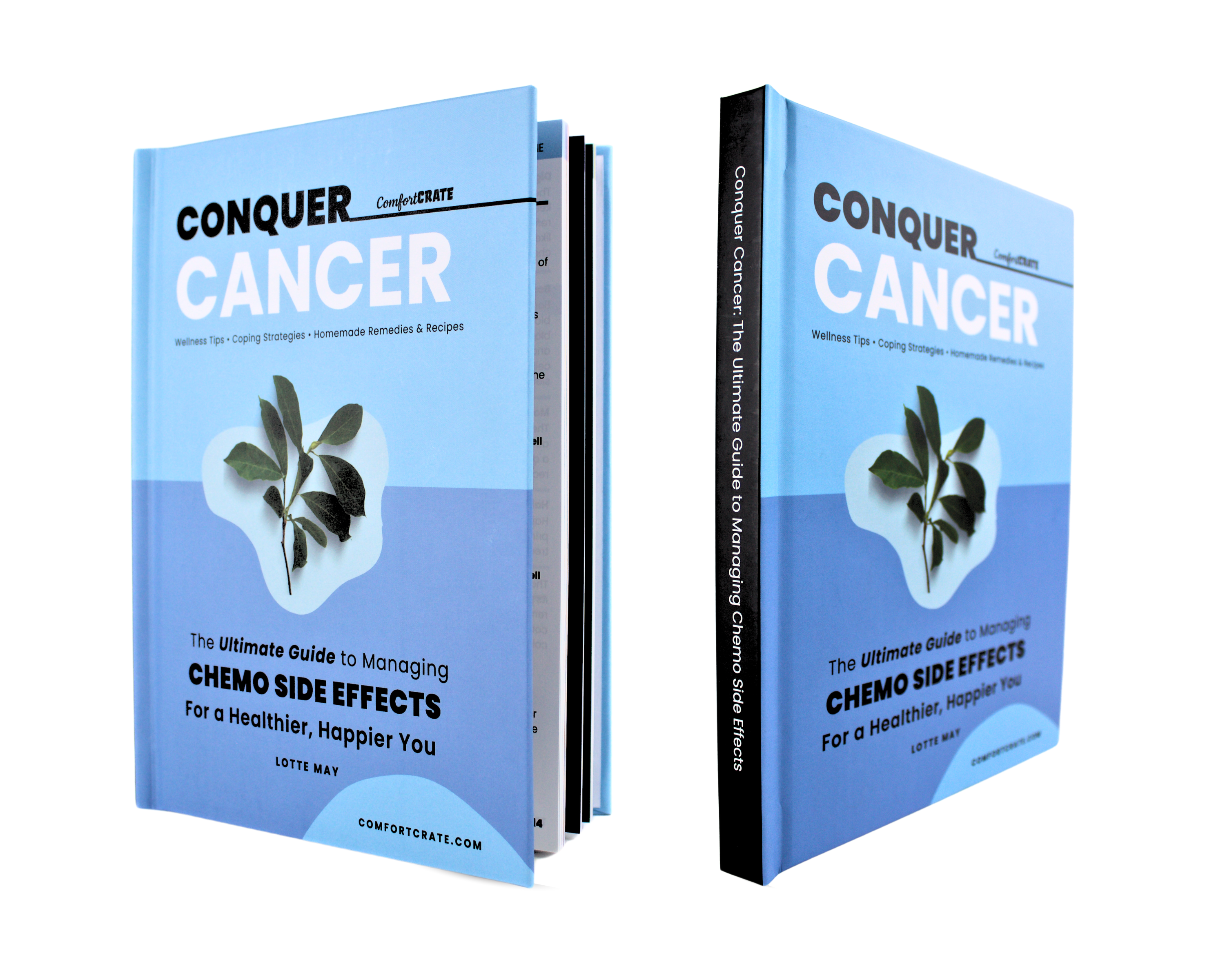
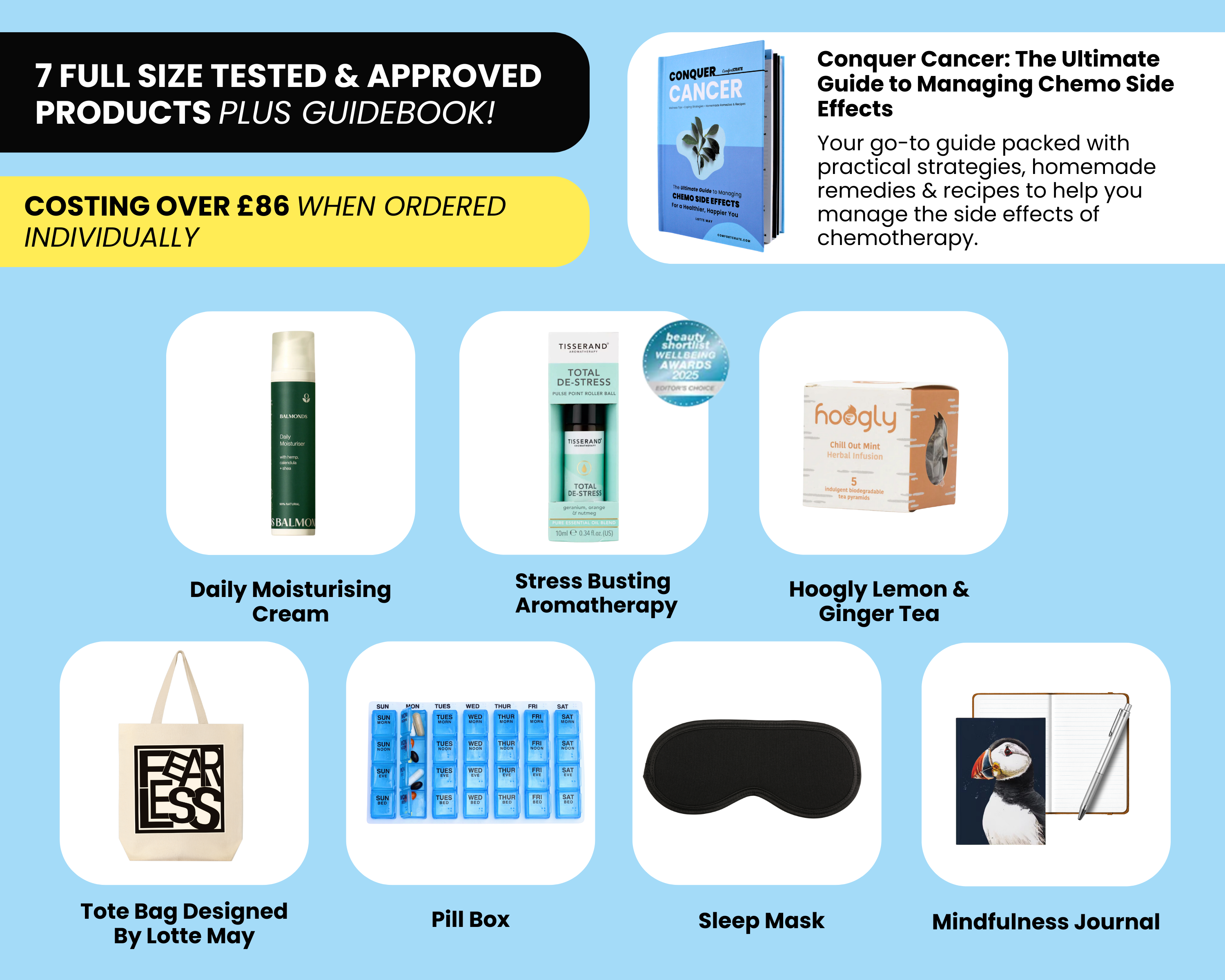
Take Control of Your Recovery: The Chemo Side Effect Guide Book. This comprehensive resource offers the practical tools and advice you need to navigate every stage of your Cancer treatment with more confidence and comfort.

Further Reading & Support
Managing physical recovery requires a balanced approach. For expert guidance on rebuilding your strength safely, explore these resources:
- Macmillan: Getting Active – Practical advice and local programs for physical activity after diagnosis.
- Cancer Research UK – A guide on how exercise can specifically help manage treatment-related fatigue.
- The Comfort Crate Side Effect Guide – My comprehensive directory for managing all aspects of the treatment journey.
About the Author: Lotte May is a Stage 4B Hodgkin Lymphoma survivor and founder of Comfort Crate. Having researched the most effective ways to manage physical recovery, she provides patients with the practical tools and expertise needed to navigate treatment with more ease. Read more about the mission.
Medical Disclaimer: This information is for support and guidance only. It does not replace the advice of your medical team.








Leave a comment
This site is protected by hCaptcha and the hCaptcha Privacy Policy and Terms of Service apply.