
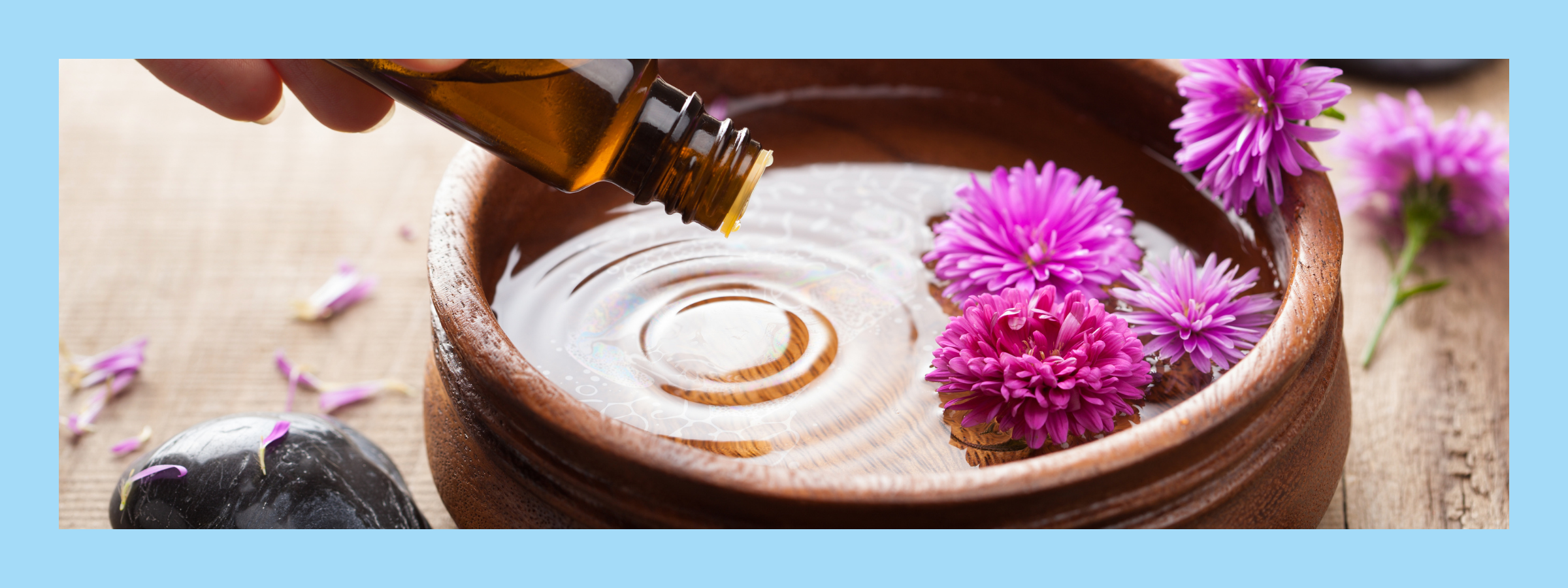
Aromatherapy Inhaler: How to Make One For Chemo Day
Written By Lotte May
Founder of Comfort Crate & Cancer Advocate
Essential oils are a fundamental part of aromatherapy, a holistic healing method that utilises natural plant extracts to support physical and emotional wellbeing. These oils can be inhaled or incorporated into teas and tinctures to help manage the daily challenges of treatment.
Inhalation is one of the most convenient ways to use aromatherapy. Whether you are at home or in a chemotherapy session, simply opening a bottle and taking a few deep breaths can provide rapid relief for nausea and anxiety. Creating your own portable aromatherapy inhaler is an easy way to keep your favourite scents on hand wherever you go.
Supplies for Your DIY Aromatherapy Inhaler
You only need a few simple ingredients to create a personalised relief tool:
- Coarse Sea Salt: One teaspoon (this acts as a natural wick for the oils).
- Small Bottle: A glass or PET plastic bottle with a secure lid.
- Essential Oils: High-quality, pure extracts of your choice.
Effective Aromatherapy Blend for Anxiety Relief
This specific combination is designed to help quiet the mind and reduce tension. Combine these drops with your sea salt in the bottle:
- 10 drops Bergamot
- 4 drops Lavender
- 4 drops Orange
- 1 drop Geranium
- 1 drop Ylang Ylang (or Chamomile)
Choosing the Best Essential Oils for Your Symptoms
You can customise your blend based on what your body needs most during your recovery journey. Use this guide to create a combination that works for you:
For Nausea Relief:
These scents are known for settling the stomach and clearing the senses.
- Ginger
- Peppermint
- Lavender
- Fennel Seed
- Lemon
For Anxiety and Stress:
Calming floral and citrus scents help ground your emotions during difficult appointments.
- Lavender
- Bergamot
- Lemongrass
- Neroli
- Lemon
- Ylang Ylang
- Orange
For Boosting Energy Levels:
Bright, zesty oils can help clear "chemo brain" and provide a natural lift when you feel fatigued.
- Lemon
- Basil
- Grapefruit
- Lime
- Bergamot
- Rosemary
- Eucalyptus
Learn more about incorporating these scents into your routine: How to Use Aromatherapy
Further Reading & Support
Exploring complementary therapies can help you regain a sense of control over your environment. For more information on using aromatherapy safely during cancer treatment, explore these resources:
- Cancer Research UK – Information on how aromatherapy and massage can assist with cancer-related symptoms.
- The Comfort Crate Side Effect Guide – Visit my full directory for more survivor-led tips on managing your recovery.
- Breast Cancer - A guide to using scents to improve emotional wellbeing during treatment.
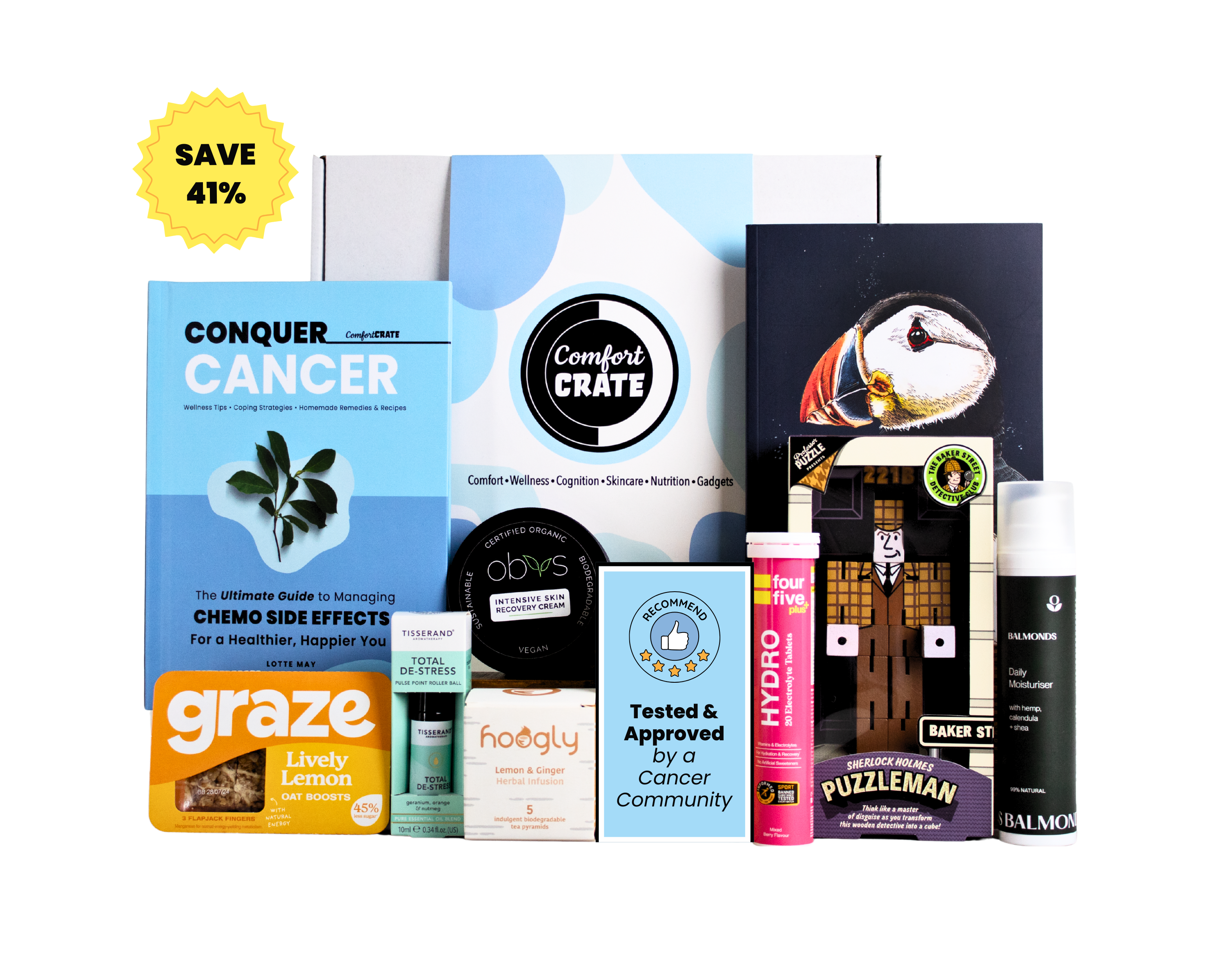
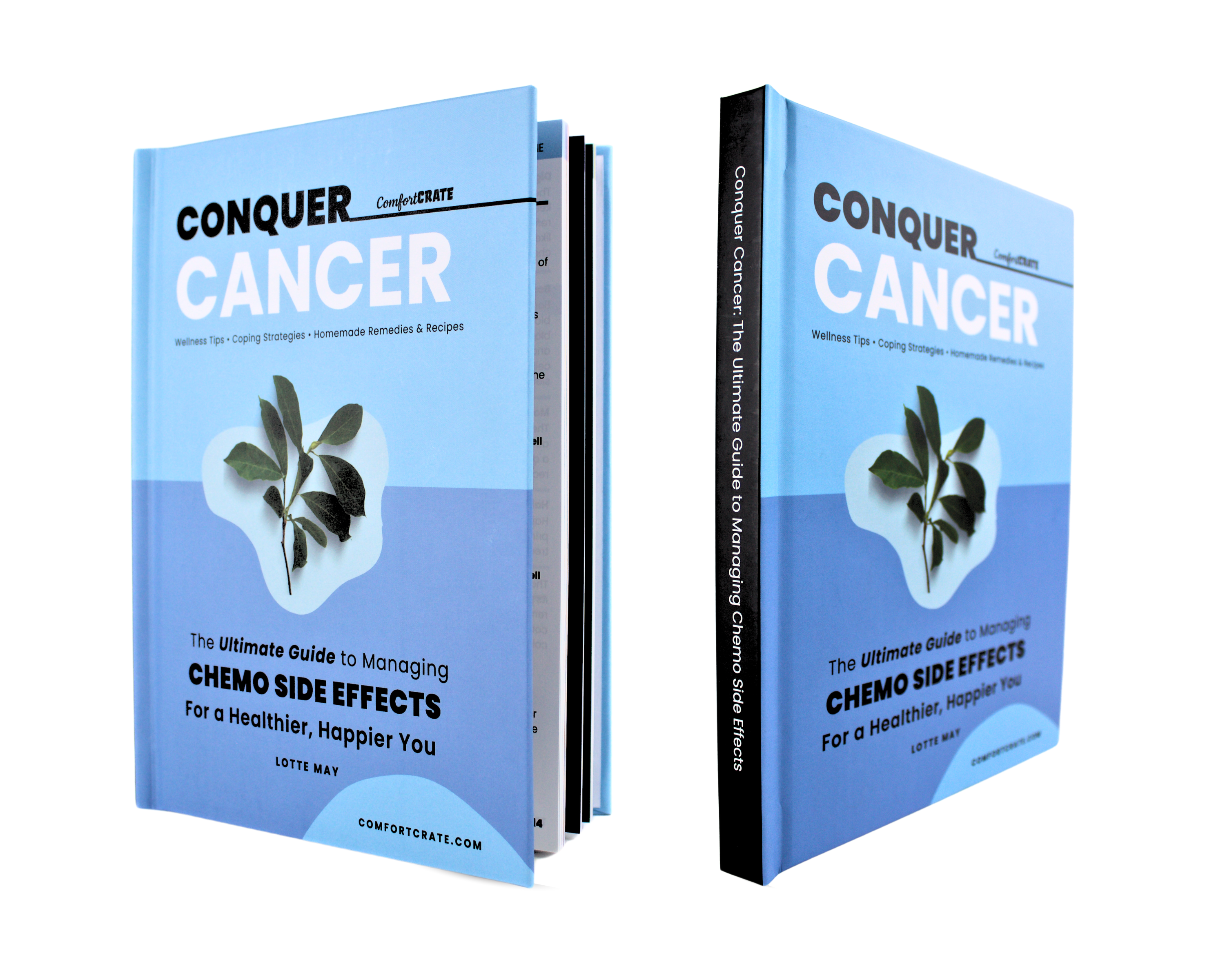
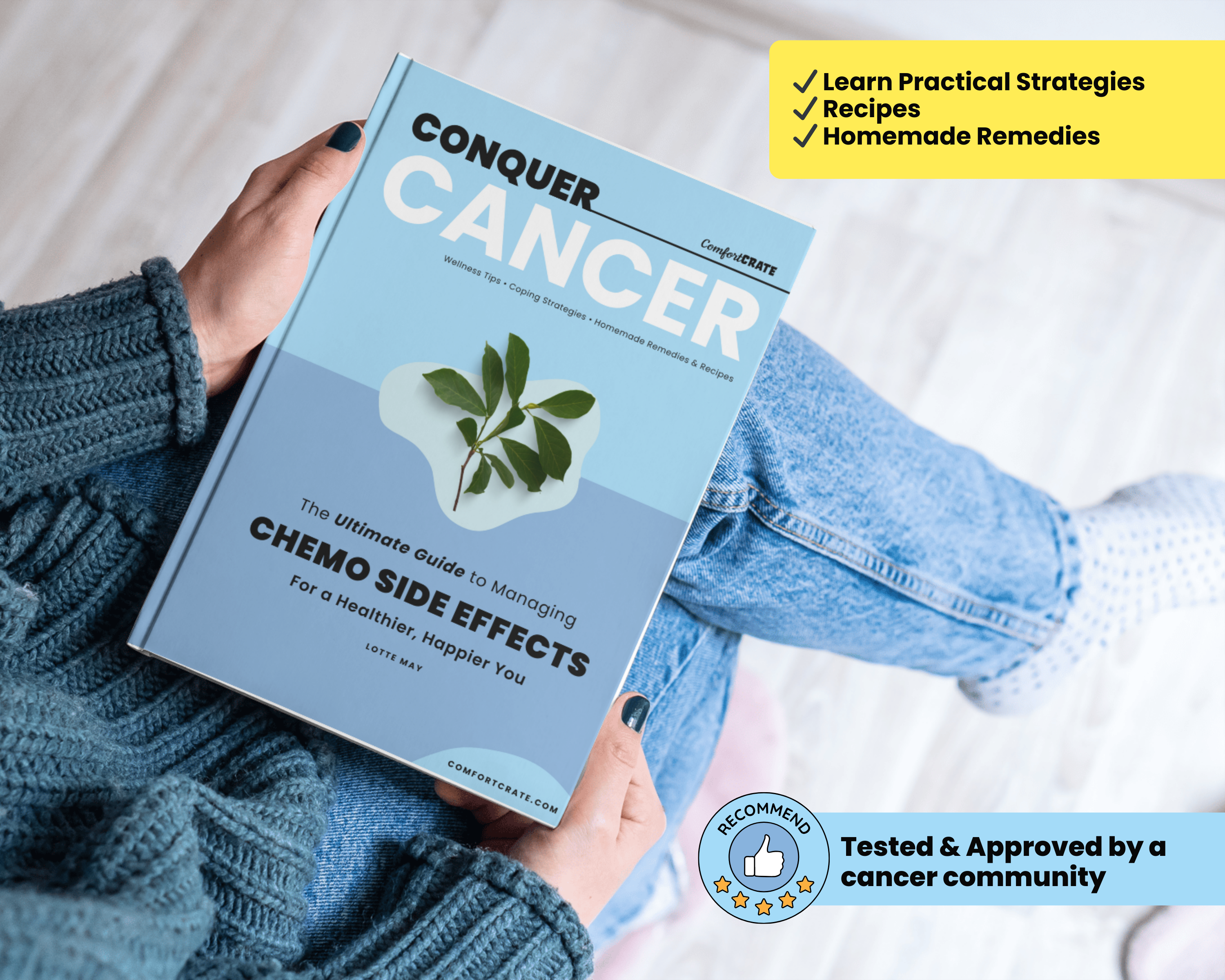
Take Control of Your Recovery: Discover the full expert-peer strategies for managing treatment in The Chemo Side Effect Guide Book.

About the Author: Lotte May is a Stage 4B Hodgkin Lymphoma survivor and founder of Comfort Crate. Dedicated to helping others navigate the side effects of treatment, she focuses on providing practical, research-backed tools to make the recovery process more manageable. Read more about the mission.
Medical Disclaimer: This information is for support and guidance only. It does not replace the advice of your medical team.



Leave a comment
This site is protected by hCaptcha and the hCaptcha Privacy Policy and Terms of Service apply.