

What happens after surgery?
Written By Lotte May
Founder of Comfort Crate & Cancer Advocate
After surgery, it is normal to feel a mix of physical stress and emotional relief. Recovering from anaesthesia and the procedure itself requires patience and the right support system. This guide will help you and your family prepare for what happens in the recovery room and beyond to ensure a smooth recovery.
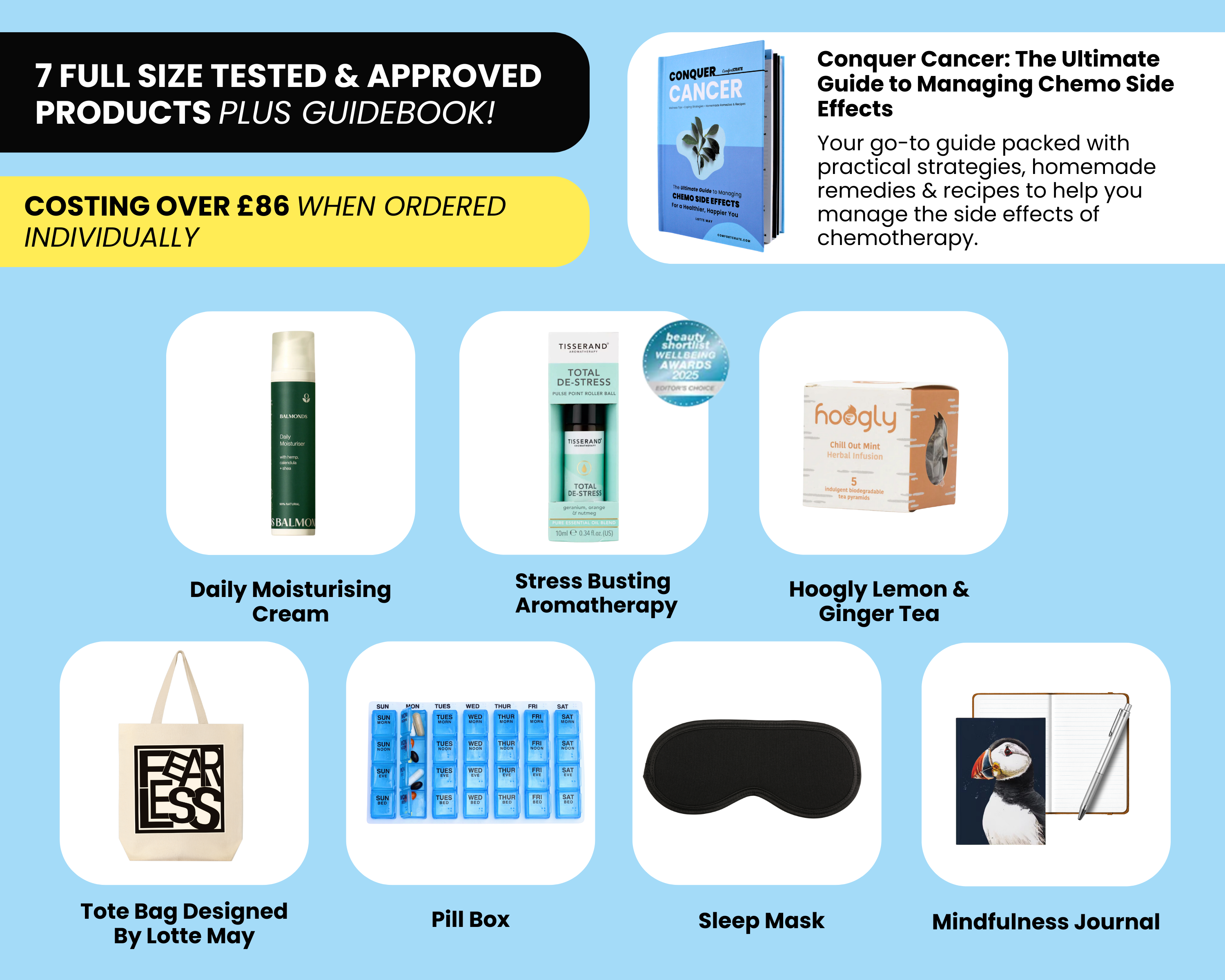
Your Ultimate Recovery Companion: Post-surgery recovery often flows directly into the start of chemotherapy. Our Ultimate Chemo Kit is designed to provide maximum comfort during this transition. From specialist skincare to soothe sensitive post-op skin to high-quality items that make hospital stays more bearable, it’s the gold standard for patient support.

What Happens in the Recovery Room?
Immediately after surgery, you will be moved to a recovery area near the operating theatre. Specially trained staff will monitor you closely as the anaesthetic wears off. Nurses will regularly check:
- Your blood pressure, pulse, and breathing rate.
- Your wound for any signs of bleeding.
- Your pain levels to ensure you are comfortable.
- Fluid drainage and IV drip rates.
Common Tubes and Drains After Surgery
It is common to wake up with various tubes helping your body function. These may include:
IV Drip: Inserted into a vein to provide fluids and pain relief until you can eat and drink again.
Surgical Drain: A small tube in the wound to remove excess fluid into a bag or bottle.
Urinary Catheter: A thin tube to drain urine, usually removed once you are mobile.
Nasogastric (NG) Tube: A tube through the nose to the stomach to manage fluids until bowel function returns to normal.
Managing Side Effects of Anaesthesia
Most side effects are temporary and occur shortly after waking up:
- Nausea and Vomiting: Common within the first 24 hours; medication can help control this.
- Chills and Dizziness: Your body temperature may drop, which is managed with warm blankets.
- Sore Throat: Often caused by the breathing tube used during surgery; this typically fades in a few days.
- Confusion or "Fuzziness": It is normal to feel groggy or anxious. In rare cases, lingering memory loss (postoperative cognitive dysfunction) can occur.
Controlling Pain and Preventing Complications
Effective pain management is crucial because it allows you to move and take deep breaths, which prevents lung infections. Pain can be managed via tablets, injections, or an epidural pump. Your team will also work to prevent:
- Infections: Keeping wound sites and catheter areas clean.
- Lung Problems: Using deep breathing exercises to keep lungs clear.
- Blood Clots: Encouraging early movement, leg exercises, and the use of compression stockings.
Read more: How to Improve Your Physical Health After Surgery
Further Reading and Support (Unique UK Resources)
-
Royal College of Anaesthetists: Anaesthesia Explained
The definitive UK patient guide on the types of anaesthesia, what to expect, and detailed FAQs about the recovery process. -
NHS UK: Recovering After Surgery
Practical NHS advice on looking after your stitches, returning to work, and when to call your GP if you suspect an infection. -
Guy’s and St Thomas’ NHS Trust: Pain Relief After Surgery
A helpful resource explaining the different types of UK pain management systems, including PCA (Patient Controlled Analgesia) pumps.
About the Author: Lotte May is a stage 4B Hodgkin Lymphoma survivor and founder of Comfort Crate. She uses her research background to help patients prepare for surgery and recovery with evidence-based tools. Read more about her mission here.
Medical Disclaimer: This information is for support and guidance only. It does not replace the advice of your medical team.









Leave a comment
This site is protected by hCaptcha and the hCaptcha Privacy Policy and Terms of Service apply.