

How Exercise can improve Cognitive Changes
Written By Lotte May
Founder of Comfort Crate & Cancer Advocate
Your mental and physical health can be affected by cognitive changes caused by cancer treatment. It can often be triggered by the frustration of not being able to enjoy activities you used to do easily. However, exercise is a powerful tool to fight chemo brain. Regular movement improves well-being, combats fatigue, lifts your mood, and reduces anxiety and depression.
Exercise Increases Your Blood Flow
When you exercise, you increase your brain's blood flow. This is essential because blood carries the oxygen and nutrients necessary for the brain to function. Despite making up only 2-3% of our body weight, the brain receives approximately 15% of the body's blood supply.
Increasing delivery of oxygen to your neural tissues promotes the growth of new blood vessels, which improves overall brain health. If you are struggling with high-intensity exercise, don't panic; many types of gentle movement have the same positive effect on your cognitive function.
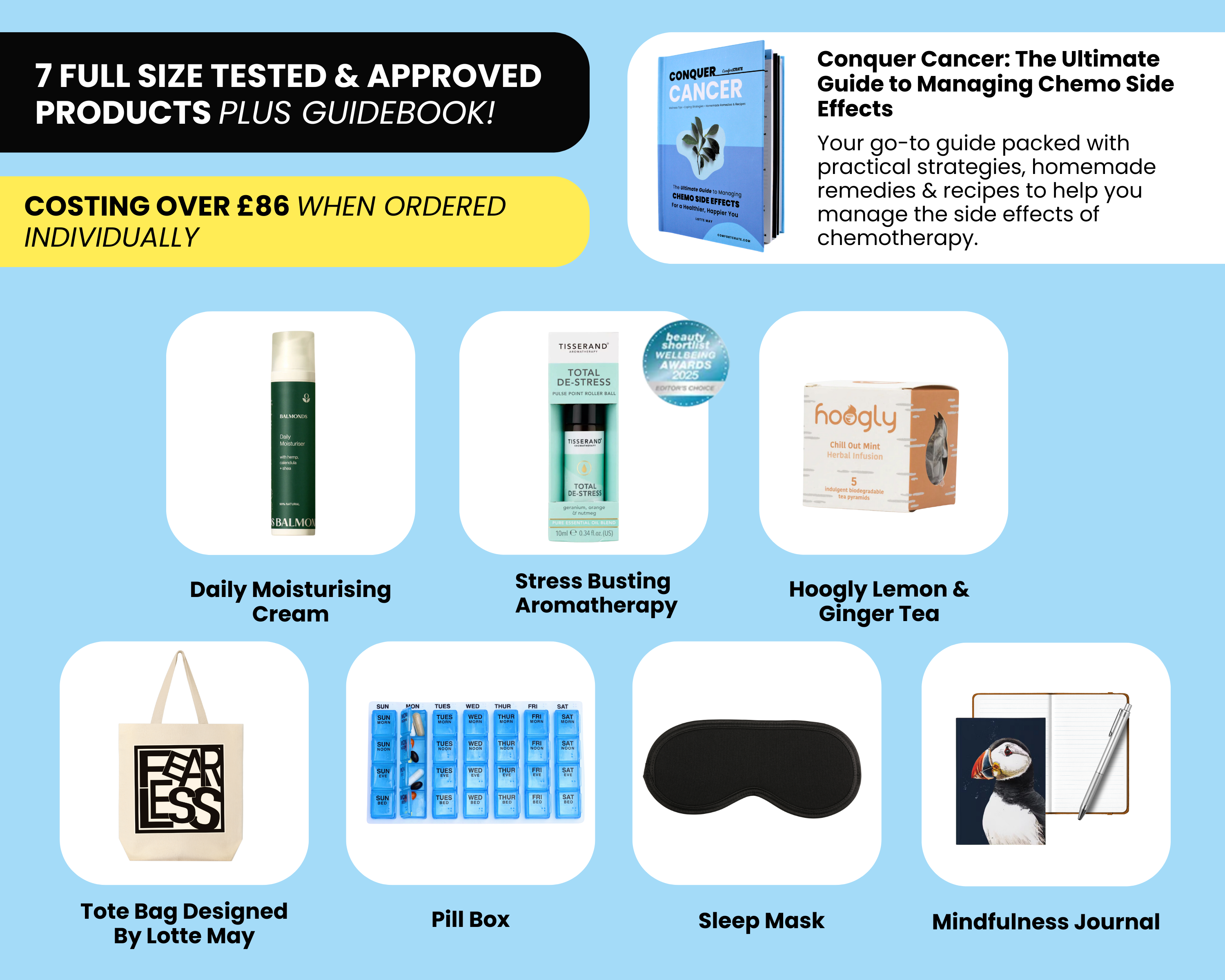
Stimulate Your Mind & Body: Our Ultimate Chemo Kit is specifically designed to support your recovery. It includes specialist brain puzzles to provide mental exercise and our Conquer Cancer Guidebook with tips on gentle movement and nutrition to keep your blood flowing and your mind sharp.

Ways to Move and Improve Brain Function
1. Exercising the Brain
- During treatment, you may feel too ill for physical activity. Learning something new, like a language or an online class, helps the brain build new cells and strengthen neural connections.
- Puzzles and creative hobbies are fun, low-energy ways to improve cognitive changes.
2. Regular Physical Exercise
- Moving your body can help you fall asleep faster and stay asleep longer, which improves chemo brain symptoms.
- Try to exercise on a Monday to set a positive psychological pattern for the week.
- Exercise with a friend for a social boost, or follow online yoga videos at your own pace.
3. Quick Bursts of Movement
If stress makes you feel jittery, try "quick bursts" like star jumps, jogging on the spot, or simple yoga poses to ground yourself.
4. Stretching
Take 10 minutes to breathe and stretch. This relaxes your breathing and shifts your focus away from worries.
5. Simple, Low-Impact Exercises
- Tai Chi (slow movements and deep breathing)
- Walking or light housework
- Playing catch
- Beginner Yoga
Struggling with exercise? Check out our blog on simple exercises for more help: How to Improve your Physical Health
Further Reading and Support
-
Macmillan Cancer Support: Physical Activity and Cancer
A comprehensive UK guide on how much exercise you should do during treatment and how to stay safe while moving. -
Trekstock: The RENEW Exercise Hub
Specially designed for young adults in the UK, this hub offers videos and expert advice on regaining confidence in your body after chemotherapy. -
Cancer Research UK: Benefits of Exercise
Detailed information on how exercise helps with specific side effects like "chemo fog" and muscle loss.
About the Author: Lotte May is a stage 4B Hodgkin Lymphoma survivor and founder of Comfort Crate. She uses her background to research to provide patients with practical evidence-based tools for side effect management. Read more about her mission.
Medical Disclaimer: This information is for support and guidance only. It does not replace the advice of your medical team.









Leave a comment
This site is protected by hCaptcha and the hCaptcha Privacy Policy and Terms of Service apply.