

The causes of chemo fatigue and how to resolve it quickly
Written By Lotte May
Founder of Comfort Crate & Cancer Advocate
What is Cancer-Related Fatigue (CRF)?
Cancer-related fatigue (CRF) is a persistent sense of physical, emotional, and cognitive exhaustion that isn't relieved by sleep. For many, it is the most distressing side effect of cancer treatment, impacting the ability to work, socialise, and perform basic daily tasks.
The Science: ATP Depletion and Cellular Repair
At a cellular level, chemotherapy and radiotherapy cause a significant drop in ATP (Adenosine Triphosphate)—the energy currency of your cells. As the body works overtime to repair healthy tissue damaged by radiation or cytotoxic drugs, your metabolic demand sky-rockets. Essentially, your body is running a marathon internally while you are trying to simply rest externally. Understanding that your fatigue is a biological energy debt can help you be kinder to yourself during recovery.
What Causes Treatment-Induced Exhaustion?
Fatigue during chemotherapy and radiotherapy is a systemic response. Chemotherapy affects your bone marrow's ability to produce red blood cells (leading to anaemia), while radiotherapy causes localised inflammation. Combined with the emotional stress of a diagnosis, your body’s battery drains much faster than usual.
Common Symptoms of CRF
- Muscle Weakness: Feeling heavy or finding it difficult to climb stairs.
- Cognitive Fog: Difficulty concentrating or Chemo Brain.
- Breathlessness: Feeling winded after routine tasks like showering.
- Emotional Drain: Increased feelings of anxiety, loneliness, or irritability.
- Unrefreshing Sleep: Waking up feeling just as tired as when you went to bed.
8 Strategies to Reclaim Your Energy
- Strategic Hydration: Dehydration causes blood pressure to drop, reducing oxygen flow to the brain. Drink 8 glasses of water daily to maintain circulation.
- The Little and Often Diet: Avoid large meals that require heavy digestion. Eat small, nutrient-dense snacks every 3 hours to keep blood sugar stable.
- The 15-Minute Rule: It sounds counterintuitive, but light movement like a short walk can actually reduce fatigue levels more effectively than total bed rest.
- Sleep Hygiene: Keep a strict wind-down routine. Use aromatherapy or deep breathing to signal to your brain that it is time for rest.
- Power Napping: Limit naps to 30 minutes. Any longer can disrupt your circadian rhythm and make nighttime insomnia worse.
- Stress Management: Emotional stress is an energy thief. Practices like deep breathing can lower cortisol and preserve your energy.
- Caffeine Tapering: Caffeine provides a temporary spike followed by a heavy crash. Replace coffee with herbal teas to avoid the energy rollercoaster.
- Task Prioritisation: Use a Fatigue Diary to identify when your energy is highest and schedule your most important tasks for those windows.
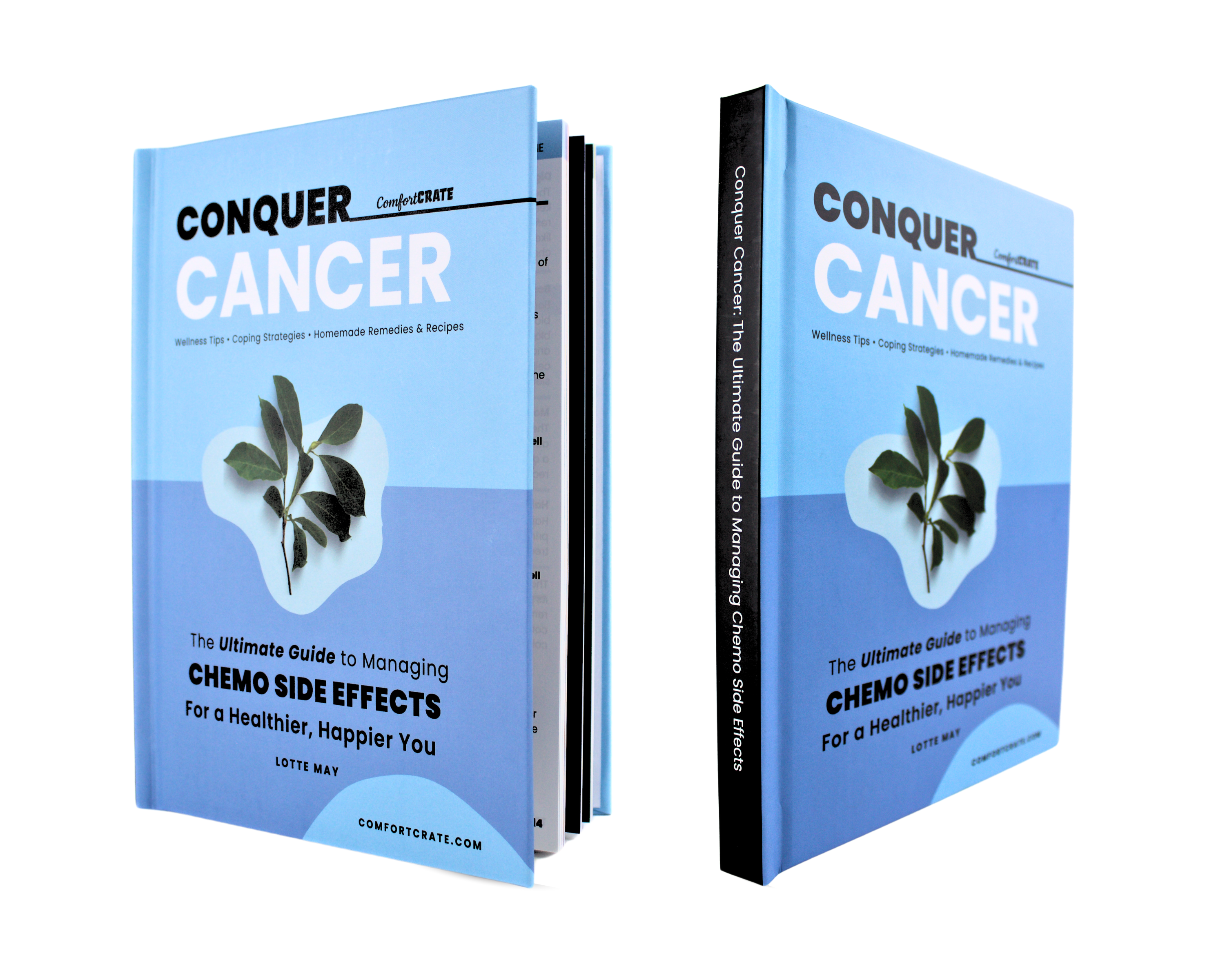
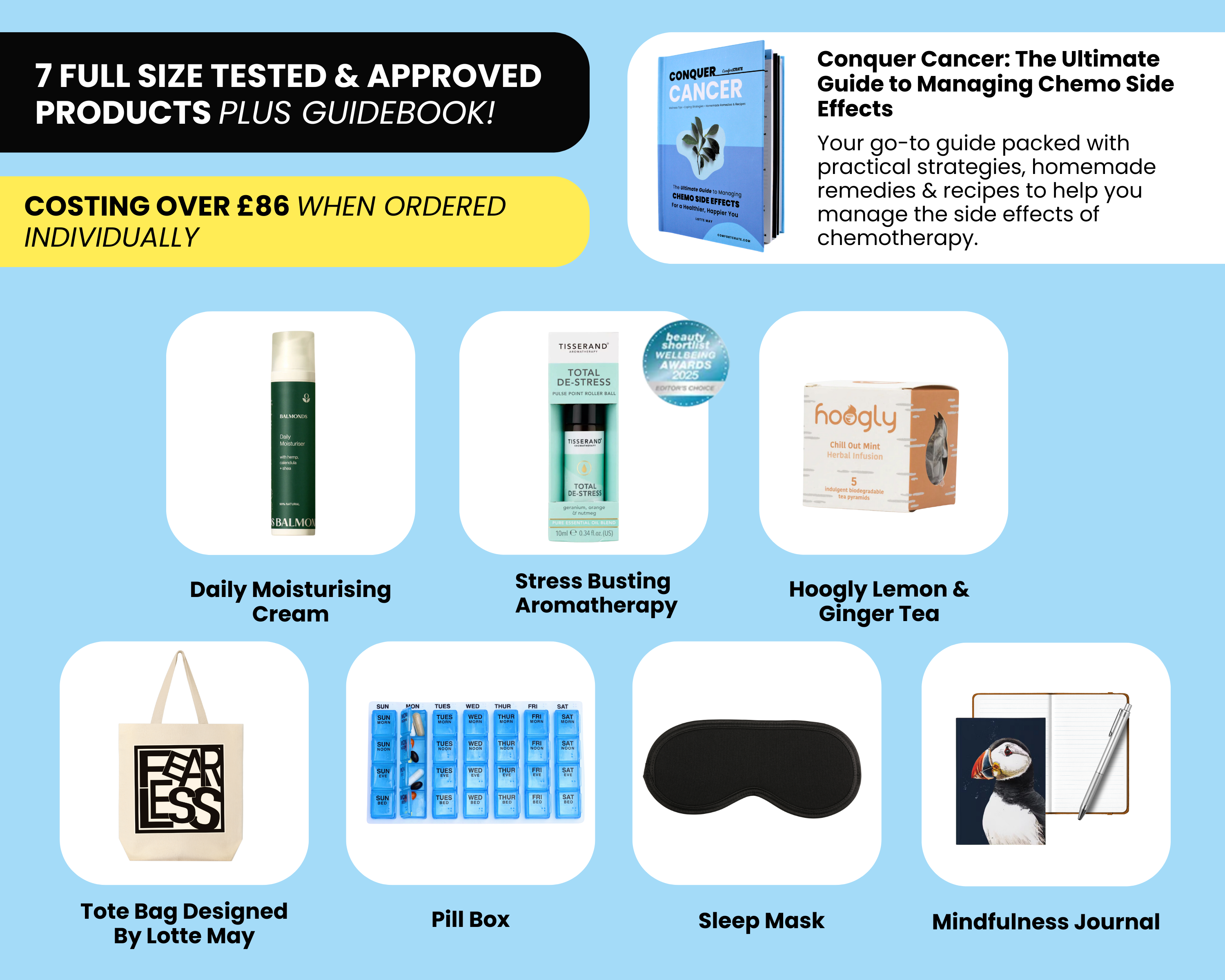
Fuel Your Body for the Fight: Nutrition is your primary weapon against exhaustion. To access a complete chapter on managing fatigue—including energy-boosting recipes, protein-rich snack ideas, and cancer approved meal plans—discover The Ultimate Guide to Managing Chemo Side Effects. This guidebook provides the practical roadmaps you need to nourish your body back to strength.

Further Reading and Support:
-
Comfort Crate: Reducing Fatigue Through Food
Our deep dive into specific ingredients and snack habits that help combat the "Chemo Crash." -
Cancer Research UK: Managing Cancer Fatigue
Clinical strategies for tracking your energy levels and understanding the medical causes of treatment-related exhaustion.
-
Penny Brohn UK: Living with Fatigue
Holistic approaches and wellbeing techniques to help manage long-term tiredness after cancer.
About the Author: Lotte May is a Stage 4B Hodgkin Lymphoma survivor and founder of Comfort Crate. Having navigated the "bone-deep" fatigue of Stage 4 treatment, she now uses her research background to help others find their way back to vitality.
Medical Disclaimer: This information is for support and guidance only. It does not replace the advice of your medical team.








?%0ACancer-related%20fatigue%20(CRF)%20is%20a%20persistent%20sense%20of%20physical,%20emotional,%20and%20cognitive%20exh...)
Leave a comment
This site is protected by hCaptcha and the hCaptcha Privacy Policy and Terms of Service apply.