

How to Tie a Headscarf: 5 Easy Styles for Chemotherapy Hair Loss
Written By Lotte May
Founder of Comfort Crate & Cancer Advocate
For many navigating hair loss from chemotherapy, the humble headscarf is much more than just a cover-up—it’s a way to reclaim your style and confidence. The beauty of headscarves lies in their versatility; with the right fabric and a few simple techniques, you can coordinate with any outfit and express your personal style.
The Science of Fabric: Choosing for Scalp Health
When you have a sensitive or bare scalp, the breathability of the fabric is vital. Natural fibres like bamboo, silk, and high-grade cotton are superior for temperature regulation. Synthetic fabrics can trap heat and sweat, leading to scalp irritation or chemo acne. Natural fibres also have smoother surfaces, reducing friction against a tender scalp.
Square vs. Rectangle: Which is Best?
Choosing the right shape is the first step in mastering your look. For full scalp coverage, aim for a scarf that is at least 28 x 28 inches.
- Square Head Scarves: The gold standard for beginners. They offer classic, elegant coverage with minimal folding required.
- Rectangular Head Scarves: Ideal for creating intricate turbans, voluminous wraps, or styles with long tails that mimic the silhouette of hair.
Pro Tip: The Scarf Pad
If you are worried about a scarf slipping or looking flat, a scarf pad is a game-changer. This soft, terry-cloth cap is worn underneath your wrap to provide natural-looking height and fullness. It also acts as a non-slip base, keeping your wrap secure all day long.
Step-by-Step Styling Guide
1. The Oversized Bow (Square Scarf)
- Fold your scarf into a triangle.
- Centre the folded edge at the nape of your neck.
- Bring both sides over your ears to the top of your head.
- Tie a large bow with the long ends.
- Tuck the loose triangle point and the bow ends into the sides for a clean finish.
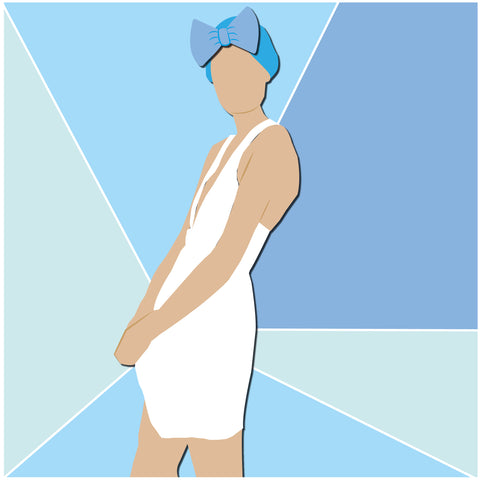
2. The Classic Knot (Square Scarf)
- Fold the scarf into a triangle and place the folded edge along your forehead.
- Take the two long ends back to the nape of the neck.
- Tie a secure knot over the hanging triangle point.
- Finish with a square knot or a small bow at the base of the neck.

3. The Rosette Bun (Square or Rectangle Scarf)
- Place the edge of the scarf along your forehead and gather all ends at the side or back.
- Twist the gathered fabric tightly into a long "rope."
- Spiral the rope around itself to form a bun (rosette).
- Secure by tucking the remaining loose end into the folds of the rosette.

4. The Twisted Turban (Rectangle Scarf)
- Place the centre of the wrap at the nape of the neck and pull both ends to the forehead.
- Tie a single knot at the centre of the forehead.
- Twist the two separate ends around each other to create a rope.
- Wrap the rope around the central knot and tuck the ends in.

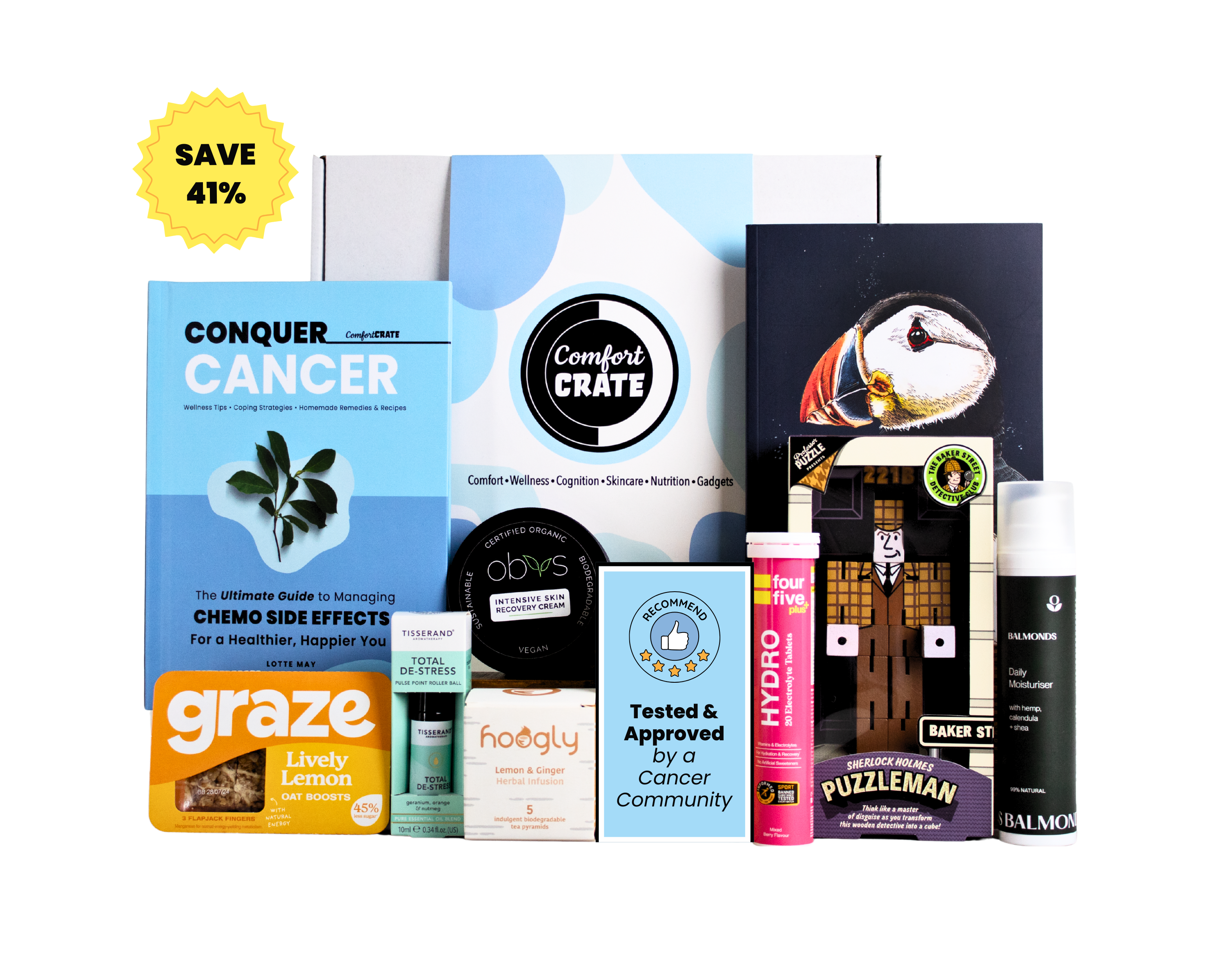
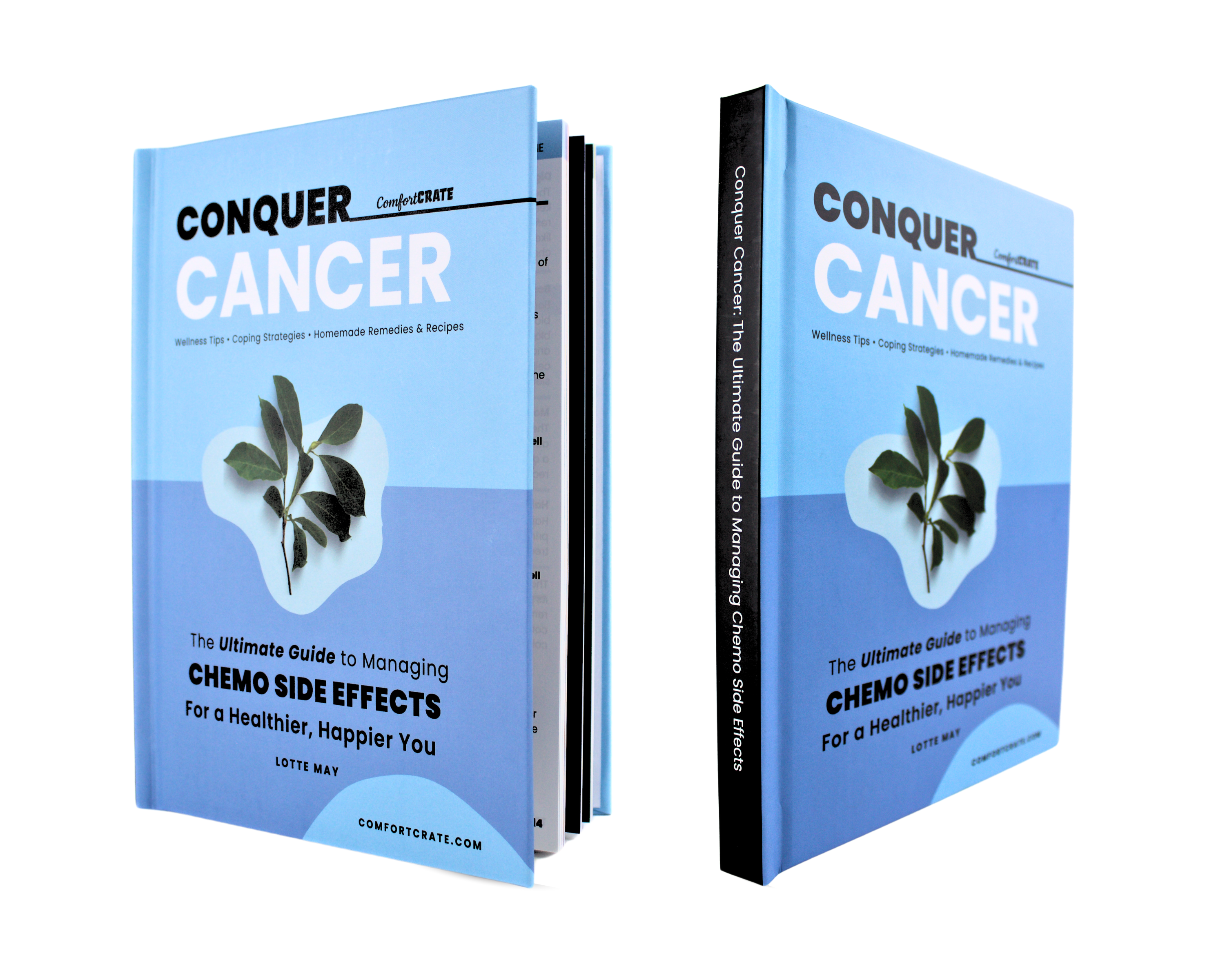
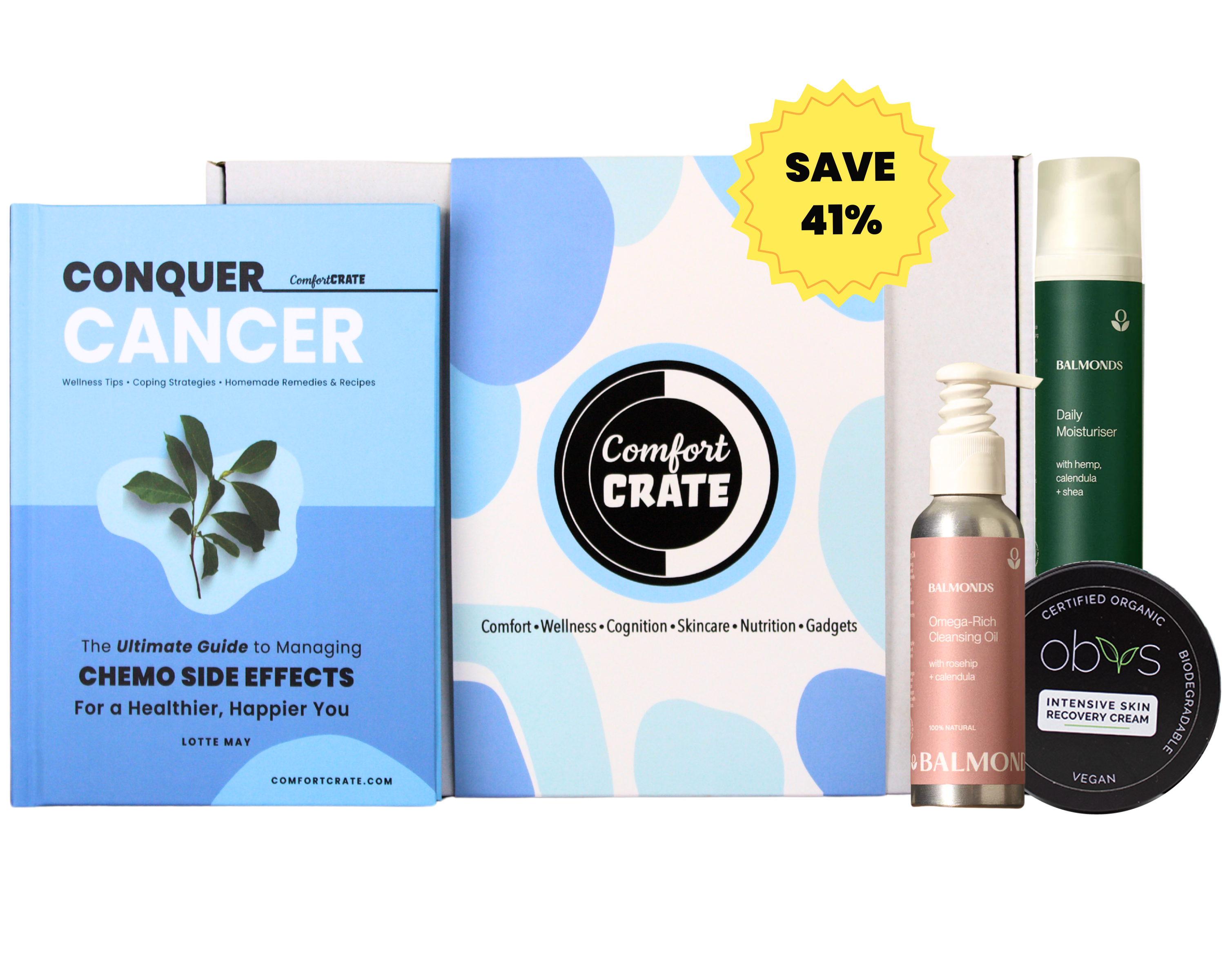
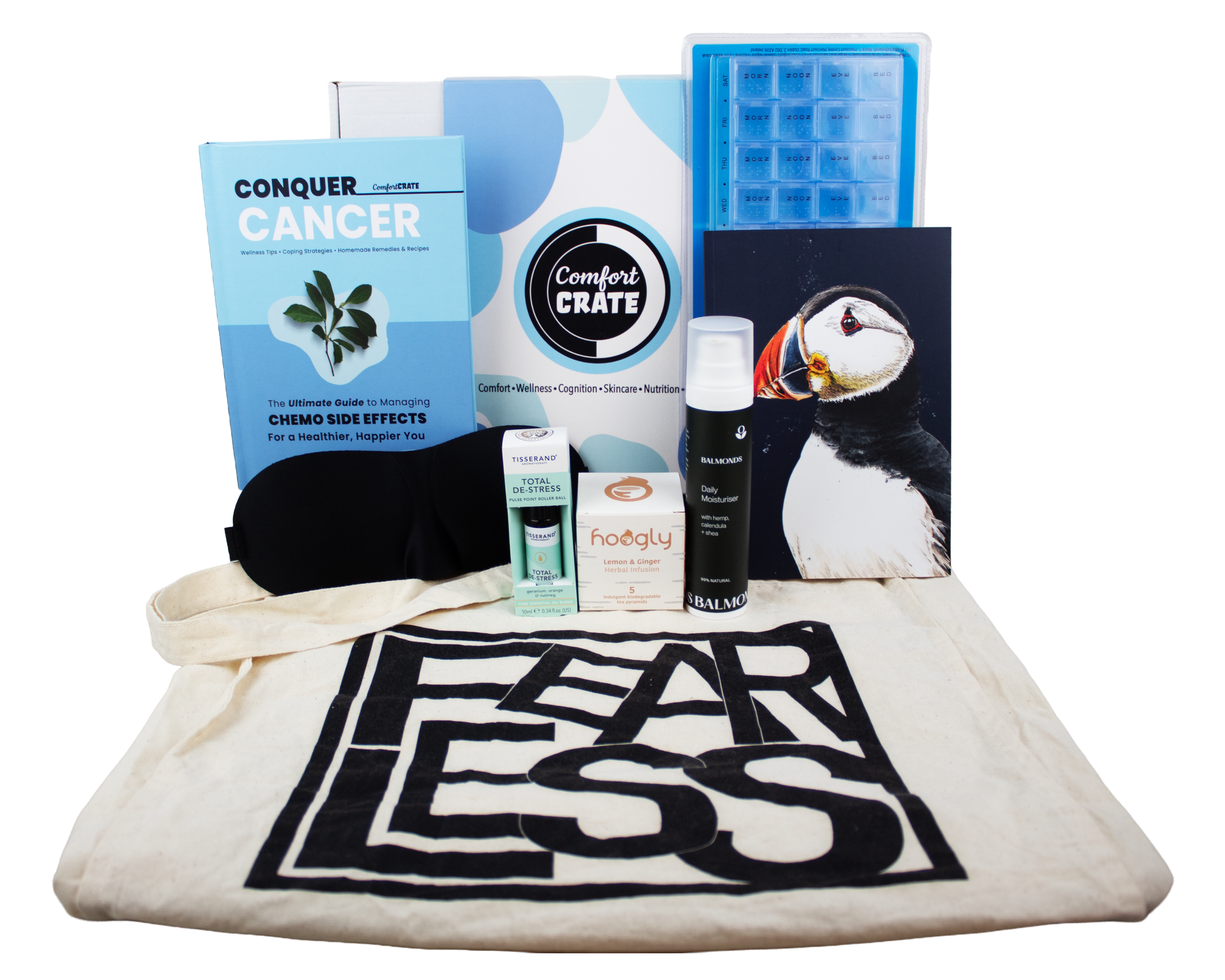
Master Your Look with Confidence: Learning to tie headscarves is just one part of managing your appearance during treatment. To help you feel prepared for every stage of hair loss, The Ultimate Guide to Managing Chemo Side Effects features a detailed chapter on Hair Loss and Headwear. It includes advanced tying techniques, advice on choosing the best fabrics for UK weather, and emotional support for when you're ready to transition between scarves and wigs.

Further Reading and UK Support:
-
Comfort Crate: Coping After Hair Loss
Our survival guide for life after the hair falls out, focusing on scalp health and self-image. -
Macmillan: Headwear and Wigs
UK-specific advice on finding head coverings and accessing financial support for hair-related side effects. -
Look Good Feel Better: Skincare & Hair Workshops
Free workshops across the UK that teach patients how to style headwear and manage changes in appearance.
About the Author: Lotte May is a stage 4B Hodgkin Lymphoma survivor and founder of Comfort Crate. She uses her background to research to provide patients with practical evidence-based tools for side effect management. Read more about her mission.
Medical Disclaimer: This information is for support and guidance only. It does not replace the advice of your medical team.



Leave a comment
This site is protected by hCaptcha and the hCaptcha Privacy Policy and Terms of Service apply.