

Rebuilding Hair Health: A Guide to Post-Chemo Hair Care
Written By Lotte May
Founder of Comfort Crate & Cancer Advocate
If you have recently finished chemotherapy, seeing those first few sprouts of hair can be an emotional milestone. However, this new growth often needs extra TLC. Many cancer patients report chemo curls or changes in hair texture and colour. This happens because chemotherapy drugs can remain in the system for several weeks, temporarily altering the way your hair follicles behave.
The Science: Why Does Hair Texture Change?
Hair grows in three stages: Anagen (growth), Catagen (transition), and Telogen (resting). Chemotherapy targets rapidly dividing cells, which includes your hair follicles in the Anagen phase. When hair begins to regrow, the follicle shape may be temporarily distorted by the lingering effects of the chemotherapy medication. This distortion is what creates the famous chemo curls."As your body flushes out toxins over 12 months, the follicle typically returns to its original shape, and your hair often reverts to its natural texture.
Timeline for Hair Regrowth
- 4–6 Weeks: Most people see a fuzzy down-like regrowth.
- 2–3 Months: Hair becomes thicker and more pigmented.
- 6 Months: You may have 1–2 inches of growth; "chemo curls" are often most prominent here.
- 12 Months: Hair is usually long enough to style and brush properly.
6 Tips to Promote Healthy Hair Growth
- Prioritise Scalp Care: A healthy scalp is the foundation for healthy hair. Use a mild, fragrance-free formula to keep your scalp hydrated without irritation.
- Avoid the Heat Trap: Your new hair is fragile. Avoid straighteners, curlers, or high-heat blow drying for at least the first six months to prevent breakage.
- The Wide-Tooth Rule: Use a wide-tooth comb or a very soft baby brush. Avoid brushes with rough bristles that can tug on vulnerable follicles.
- Hydrate from Within: Drinking plenty of water keeps the hair shaft moisturised from the inside out, making it more elastic and less prone to snapping.
- Nutritional Support: Focus on foods rich in Omega-3 fatty acids (like walnuts and salmon) and Biotin (eggs and legumes) to provide the building blocks for keratin production.
- Wait Before You Colour: Experts recommend waiting at least 6 months (or until you have 2-3 inches of growth) before using permanent dyes, as the scalp can be hypersensitive post-treatment.
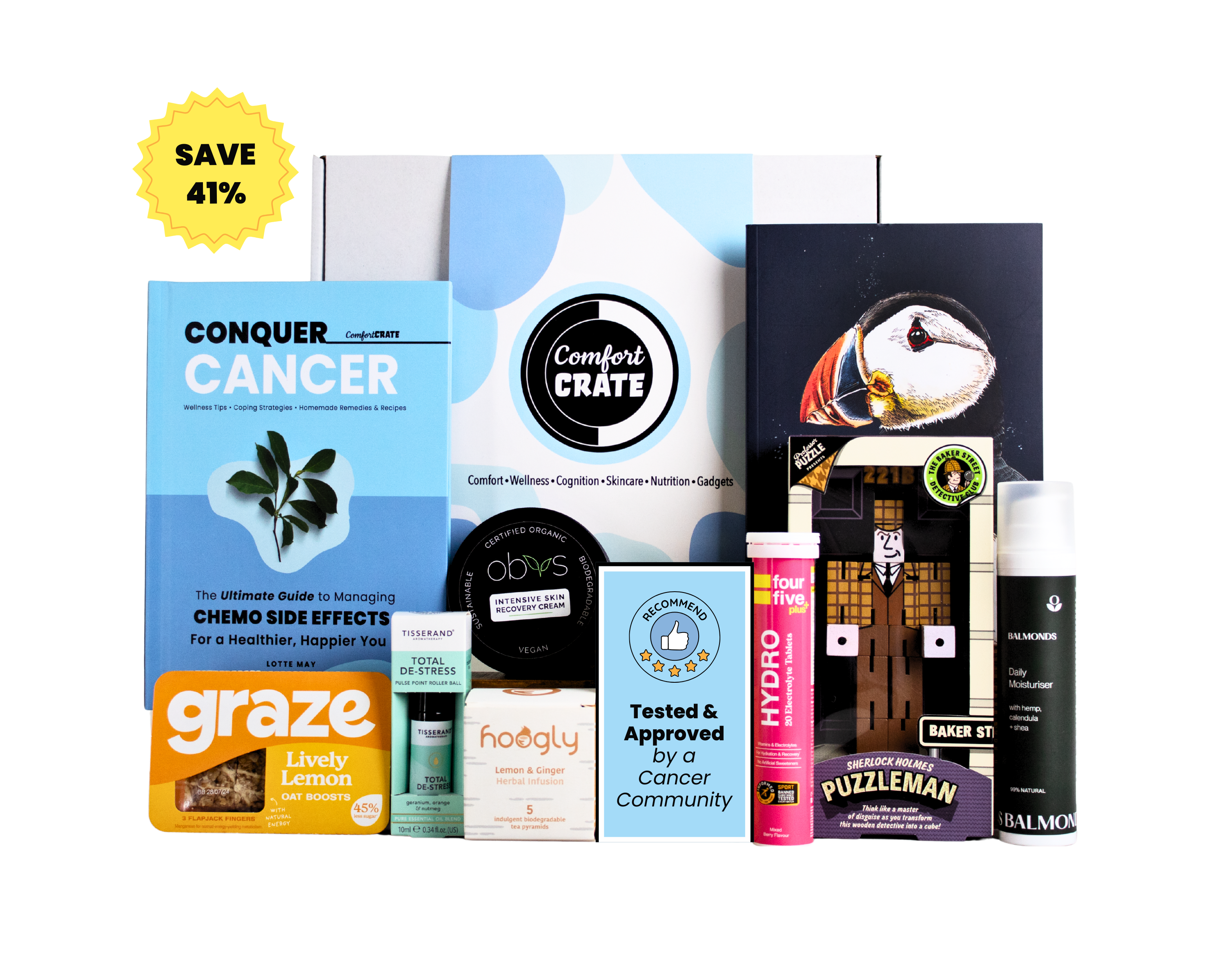
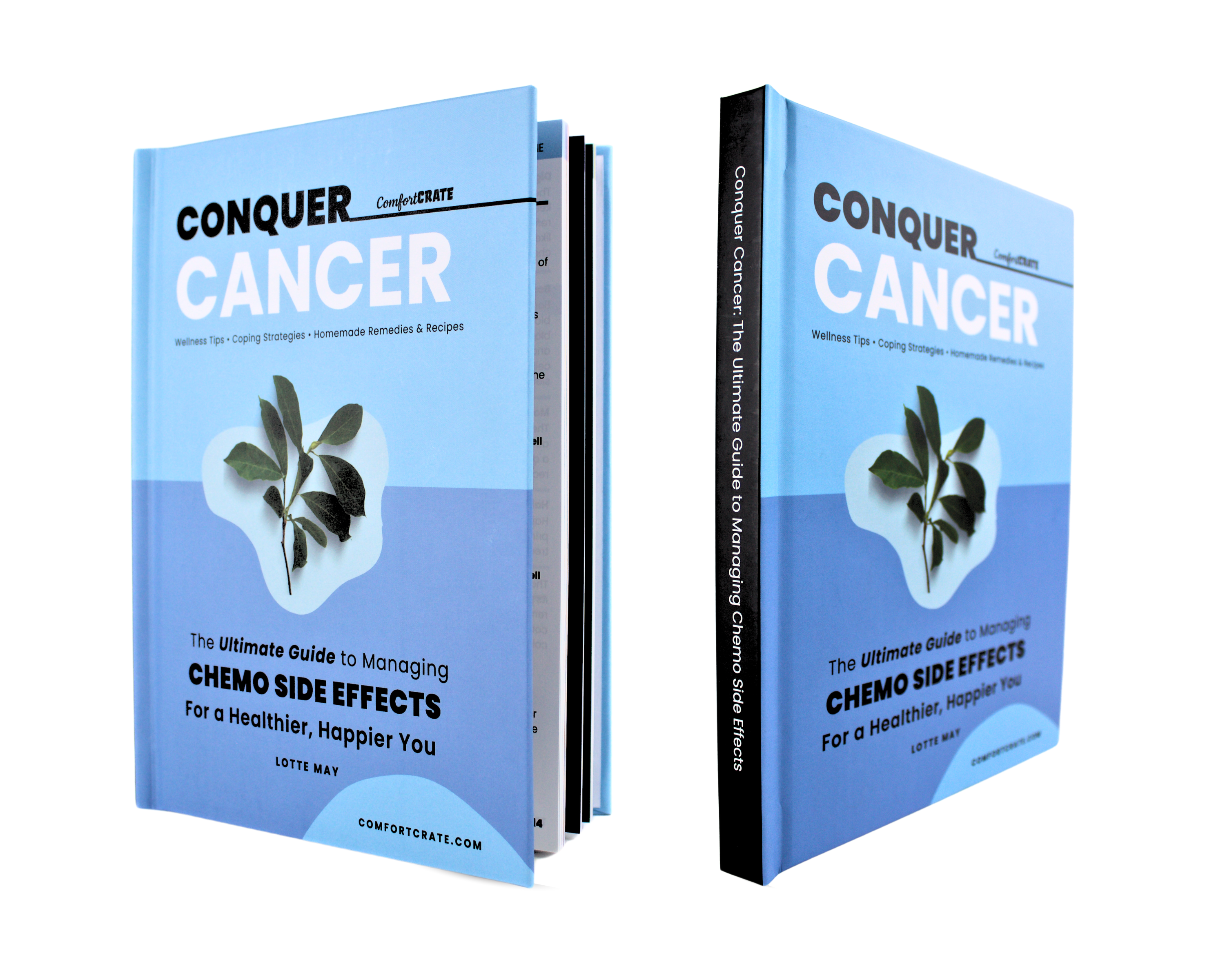
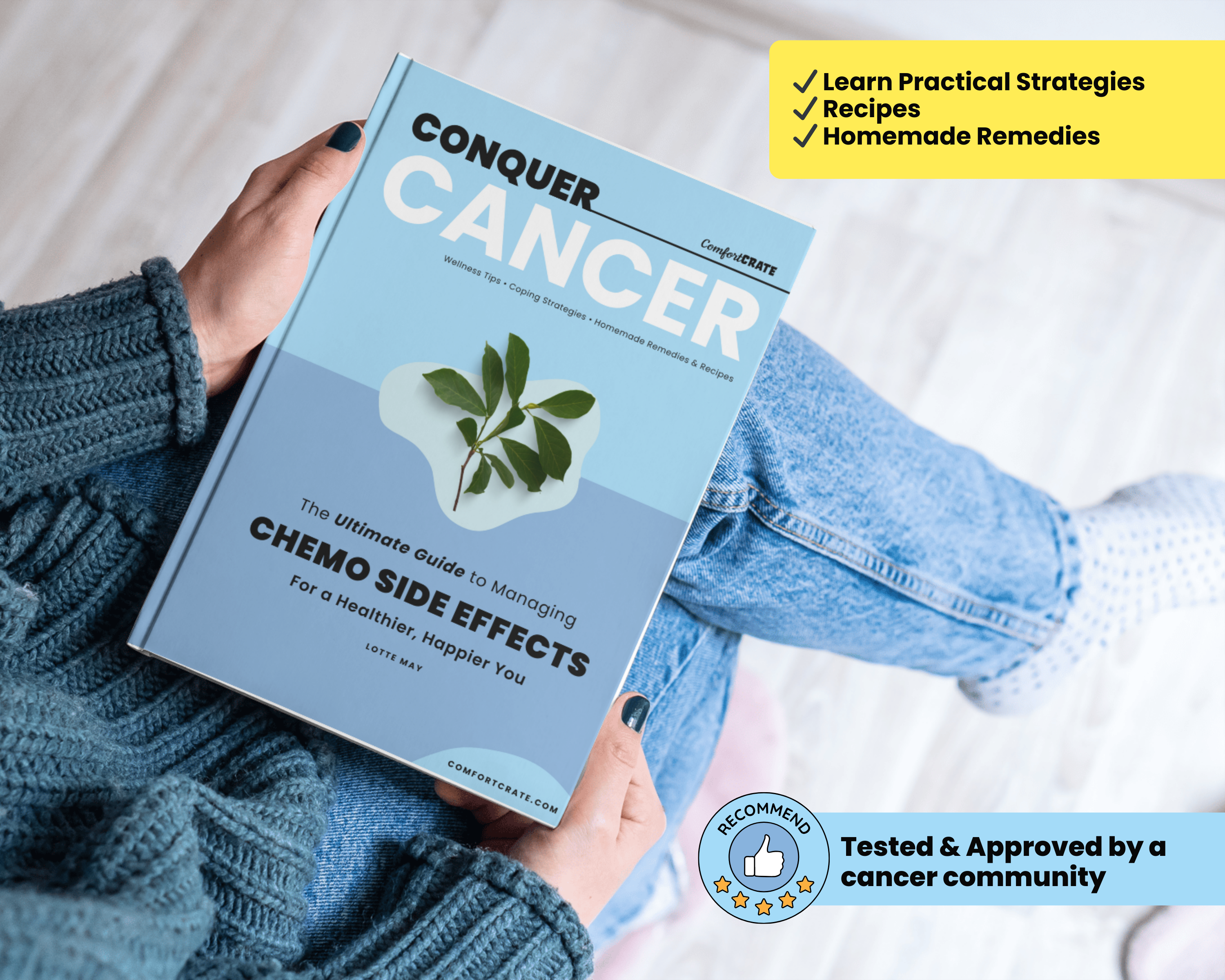
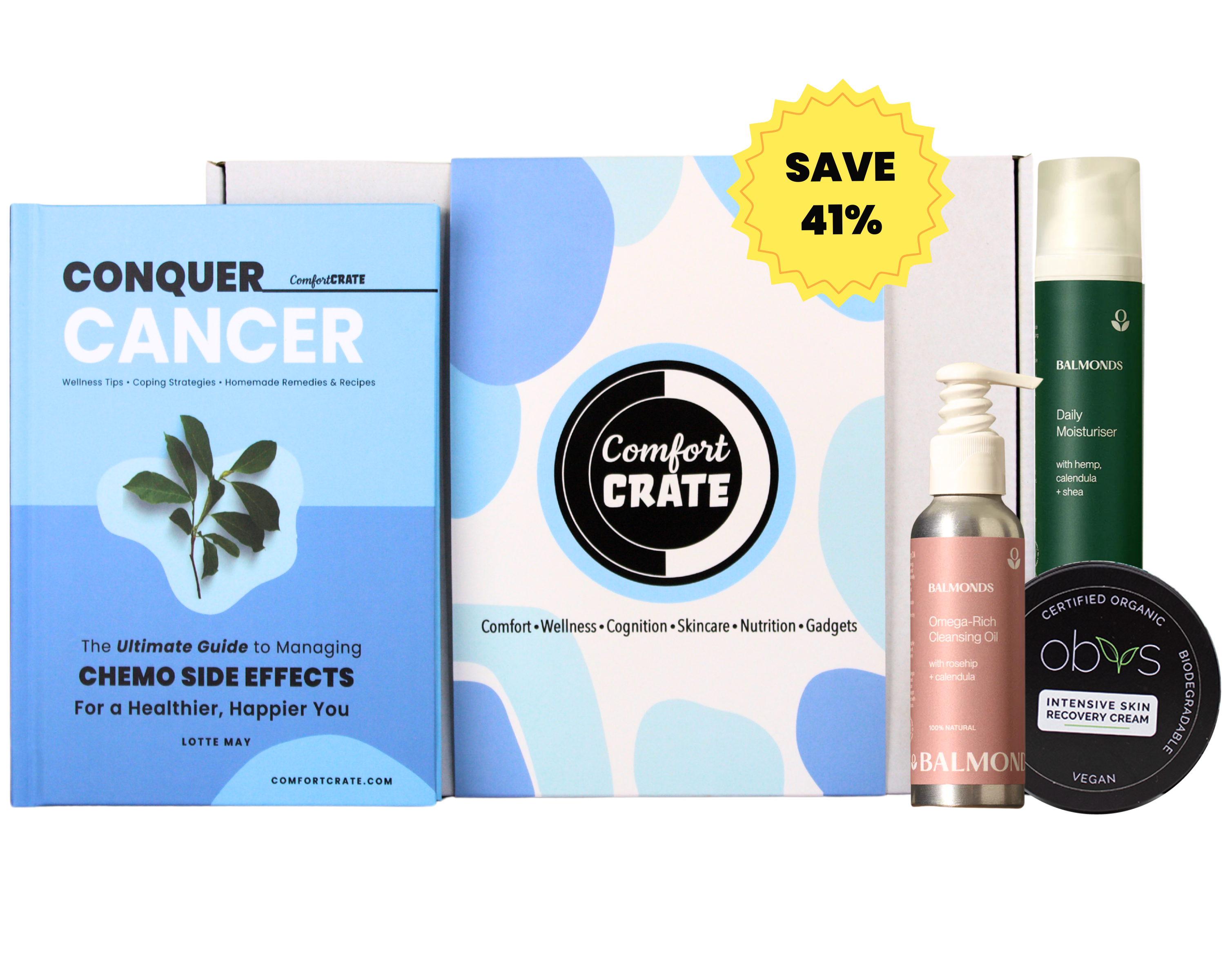
Expert Guidance for Every Stage: Navigating hair loss and the subsequent regrowth can be one of the most challenging parts of the cancer journey. To help you manage this transition with confidence, The Ultimate Guide to Managing Chemo Side Effects features a dedicated chapter on Hair Loss and Scalp Health. This guidebook provides survivor-led advice on cold capping, choosing gentle products, and specific recipes rich in the vitamins needed to support follicular recovery.

Further Reading and UK Support:
-
Comfort Crate: Caring for Hair During & After Treatment
Our deep dive into the best sulphate-free products and gentle detangling techniques. -
Macmillan Cancer Support: Coping with Hair Loss
Practical UK advice on wig services, head coverings, and the emotional impact of hair changes. -
Look Good Feel Better: Skincare & Hair Workshops
A fantastic UK charity that runs free workshops to help cancer patients manage the physical side effects of treatment.
About the Author: Lotte May is a stage 4B Hodgkin Lymphoma survivor and founder of Comfort Crate. She uses her background to research to provide patients with practical evidence-based tools for side effect management. Read more about her mission.
Medical Disclaimer: This information is for support and guidance only. It does not replace the advice of your medical team.



Leave a comment
This site is protected by hCaptcha and the hCaptcha Privacy Policy and Terms of Service apply.