

How to Create a Fatigue Diary for Chemotherapy
Written By Lotte May
Founder of Comfort Crate & Cancer Advocate
During cancer treatment, the importance of self-care can often be overlooked. When you are navigating chemotherapy or radiotherapy, it can be difficult to know which energy dips are normal and which require medical attention. Maintaining a daily fatigue diary is one of the most powerful tools in your arsenal. It transforms a vague feeling of exhaustion into tangible data that your medical team can use to adjust your care plan, while helping you regain a sense of control over your daily life.
The Science: Understanding Your Energy Envelope
In the world of chronic illness and cancer recovery, researchers often refer to the Energy Envelope. This is the limited amount of physical and mental energy your body can produce while undergoing treatment. Pushing beyond this envelope often leads to a crash or post-exertional malaise. By keeping a diary, you learn the exact boundaries of your envelope. This allows you to pace your activities, ensuring you have enough energy for the things that matter most without overextending your body's healing resources.
The Traffic Light System for Better Communication
Explaining how you feel to friends and family can be draining when you are already tired. I developed the Traffic Light System with my partner to simplify communication:
- 🟢 Green: I feel good and can manage most daily tasks.
- 🟠 Orange: My energy is limited. I can do a little, but I need to pace myself.
- 🔴 Red: I am struggling. I need extra assistance and total rest today.
How to Calculate Your Fatigue Levels (1–5)
Using a standardised scale helps you and your doctor track trends over time. Assess your fatigue levels using this 1–5 guide:
- 1 - No fatigue: Fully able to engage in all usual activities.
- 2 - Mild fatigue: Able to do most things but feeling slightly drained.
- 3 - Moderate fatigue: Able to do some tasks but require frequent rest breaks.
- 4 - Severe fatigue: Difficulty with basic tasks like cooking or walking short distances.
- 5 - Extreme fatigue: Needing to stay in bed or rest for the entire day.
Your Weekly Fatigue Diary Template
| Day | AM / PM / Eve | Activity/Treatment | Notes & Observations |
|---|---|---|---|
| Mon | 2 / 2 / 3 | Short walk | Slept better after light movement. |
| Tue | Treatment Day |
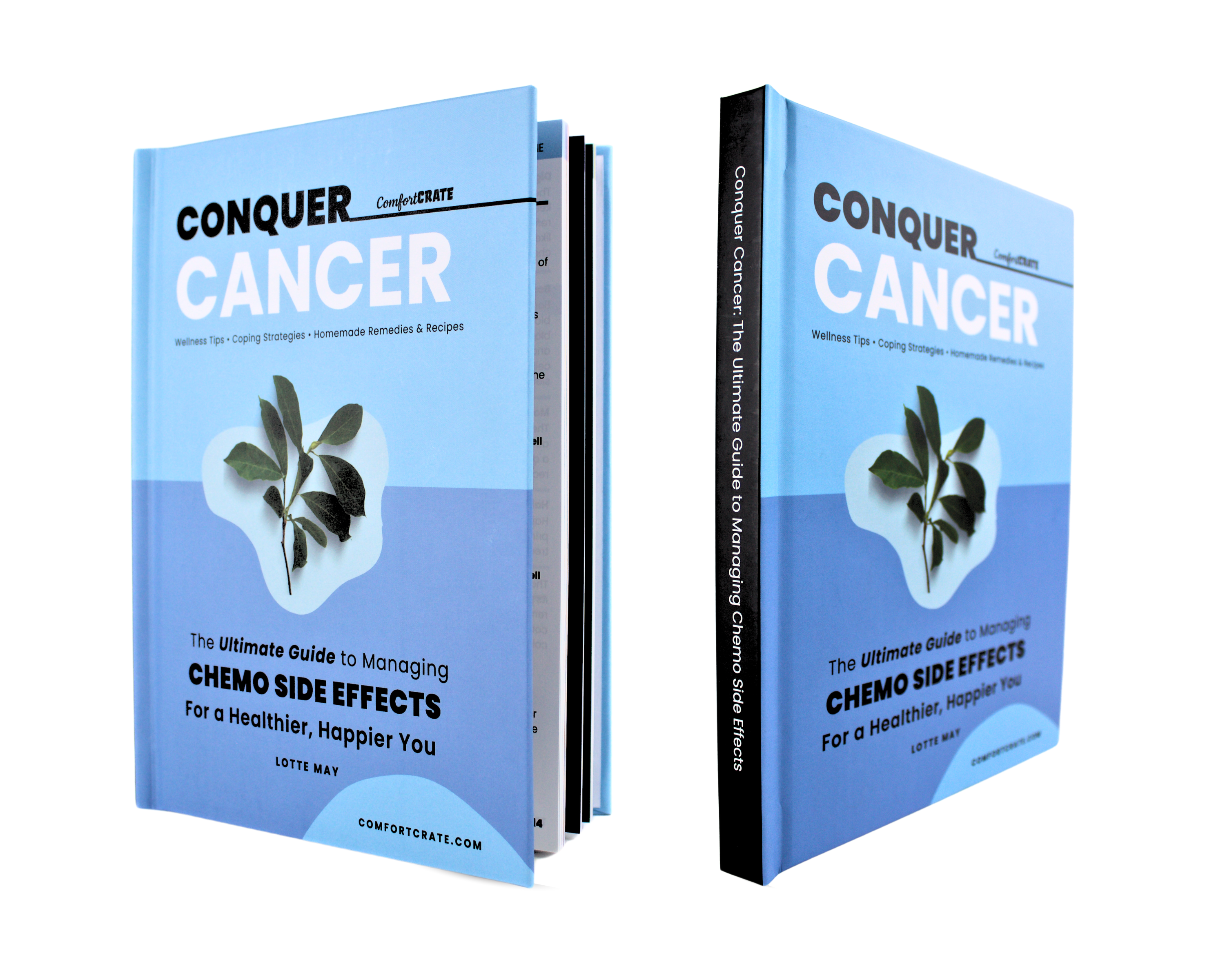
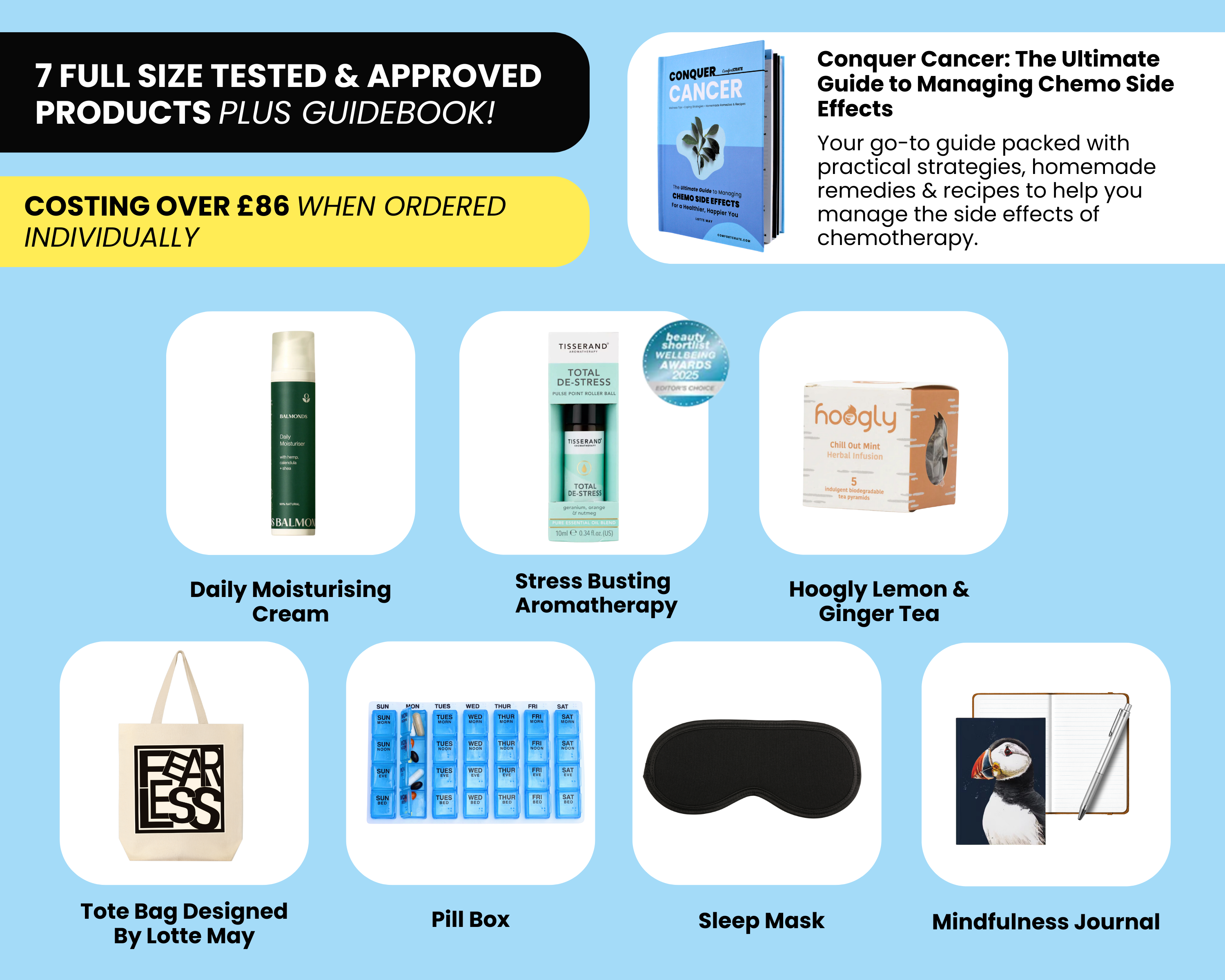
Everything You Need in One Kit: Managing fatigue requires both the right mindset and the right tools. The Ultimate Chemo Kit is curated to support your energy levels from every angle. It includes hydration essentials and calming aromatherapy to help you rest, plus our Chemo Side Effect Guidebook. The book features nutrition-dense recipes designed to boost your energy during cancer treatment. £80

Further Reading and UK Support:
-
Comfort Crate: Creating a Hospital Passport
Combine your fatigue diary with a hospital passport to ensure your medical team has your full health history at a glance. -
Cancer Research UK: Resting and Sleeping with Fatigue
Expert advice on balancing rest with activity to prevent your energy levels from stagnating. -
Maggie's Centres: Managing the Impact of Fatigue
Practical UK support on the emotional toll of exhaustion and how to ask for help from your community.
About the Author: Lotte May is a Stage 4B Hodgkin Lymphoma survivor and founder of Comfort Crate. She developed the Traffic Light System during her own treatment and now advocates for patient-led data tracking to improve cancer care outcomes.
Medical Disclaimer: This information is for support and guidance only. It does not replace the advice of your medical team.








Leave a comment
This site is protected by hCaptcha and the hCaptcha Privacy Policy and Terms of Service apply.