

Cancer Treatment Recovery: Why is Rest Important for Chemo Recovery?
Written By Lotte May
Founder of Comfort Crate & Cancer Advocate
Why is Rest Vital to Cancer Recovery?
During chemotherapy or radiotherapy, your body is working under significant pressure. Rest is a clinical necessity, not just a break. During treatment, toxins can accumulate in your system as your body works to process medications and fight cancer cells.
Quality sleep is when the body performs its most critical restorative work. It allows your system to rebuild cells and repair vital organs. By prioritising rest, you support muscle strength, energy levels, and brain function, which can help clear the symptoms of chemo brain while building a more resilient immune system.
The Benefits of Resting During Cancer Treatment
Resting shifts your body into a healing state. By allowing yourself periods of stillness, you support your recovery by:
- Slowing heart rate and breathing
- Lowering blood pressure
- Improving digestion and managing nausea
- Maintaining stable blood sugar levels
- Reducing muscle tension and chronic pain
- Improving concentration, mood, and mental clarity
Never feel guilty about resting! Taking things slowly is often the most productive action you can take for your health. For more strategies, explore our stress relief blogs and our guide on easing side effects.
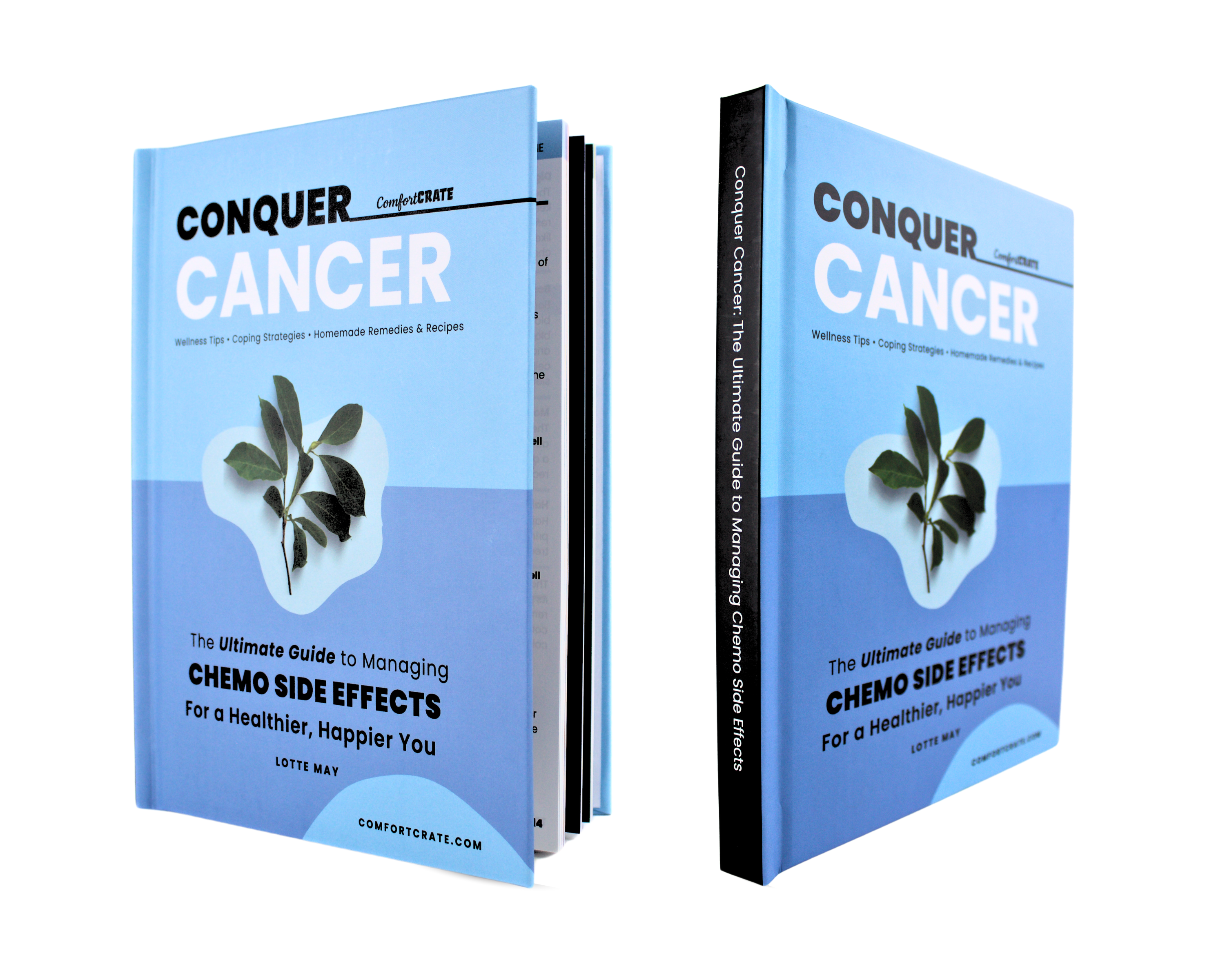
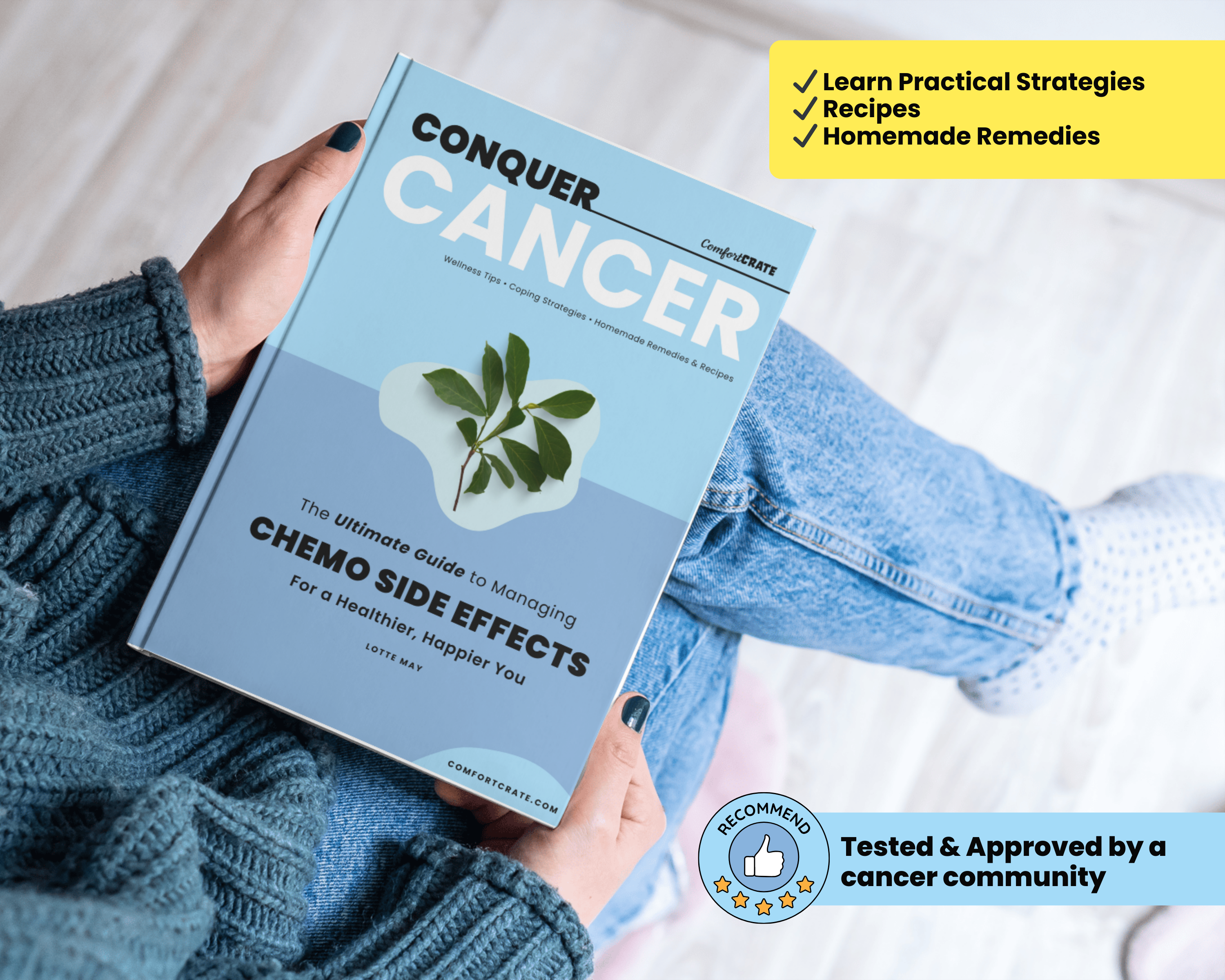
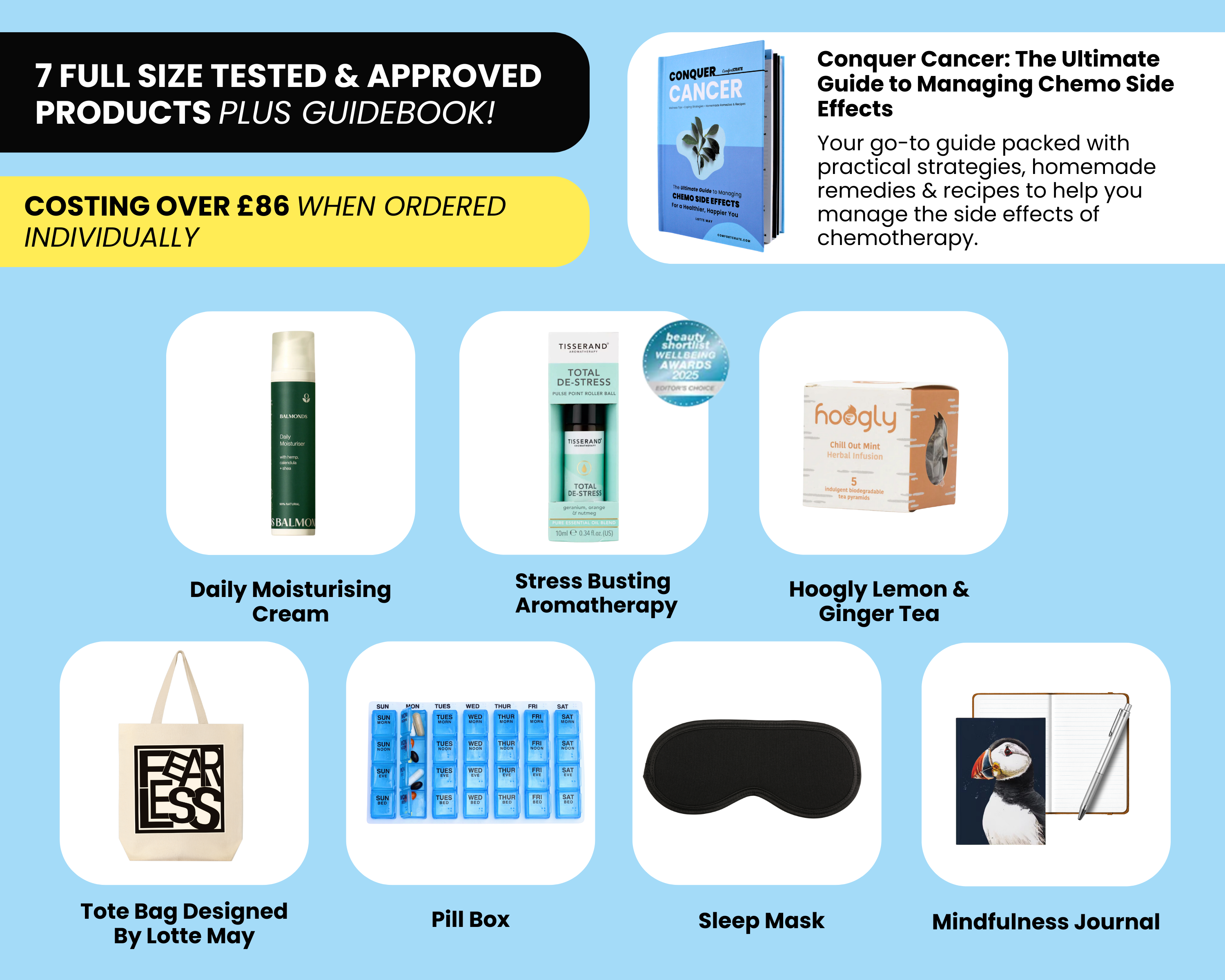
Take Control of Your Recovery: Discover the full expert-peer strategies for managing treatment in The Chemo Side Effect Guide Book.

The Importance of Sleep and Your Circadian Rhythm
Sleep is essential to your recovery; it is the primary time your mind and body rejuvenate. You can support your body’s natural time-keeping system, known as the circadian rhythm, to improve your sleep quality.
Natural Sleep Aids: Supporting Your Internal Clock
Your circadian rhythm regulates hormones and alertness. You can optimise this system with these simple habits:
- Expose yourself to light during the day: Natural sunlight signals to your brain that it is time to be awake, helping you fall asleep faster at night.
- Limit Blue Light: Light exposure at night tricks the brain into staying alert. Turn off bright screens two hours before bed or use blue-light-blocking tools.
- The 30-Minute Nap Rule: While rest is vital, excessive daytime sleeping can disrupt your night. Limit naps to 30 minutes to maintain a healthy sleep cycle.
Rest Beyond Sleep: Finding Moments of Calm
Rest does not always require sleep. You can find restorative moments throughout a busy day by taking time to relax. Activities like listening to music, enjoying a cup of tea, or spending time with a pet can decrease fatigue and support a smoother recovery process.
Further Reading and Support
- Benefits of Nature – Discover how the environment can support your recovery process.
- Mayo Clinic – Guidance on caring for your body after cancer treatment.
- Cancer Research UK – Strategies for managing persistent treatment-related fatigue.
About the Author: Lotte May is a Stage 4B Hodgkin Lymphoma survivor and founder of Comfort Crate. She uses her experience to help patients manage side effects with practical, research-backed tools. Read more about her mission.
Medical Disclaimer: This information is for support and guidance only. It does not replace the advice of your medical team.







Leave a comment
This site is protected by hCaptcha and the hCaptcha Privacy Policy and Terms of Service apply.